Your Complete Guide to Home Inspections in Valparaiso, Indiana
Discover what to look for during a home inspection to protect your investment and avoid costly surprises.

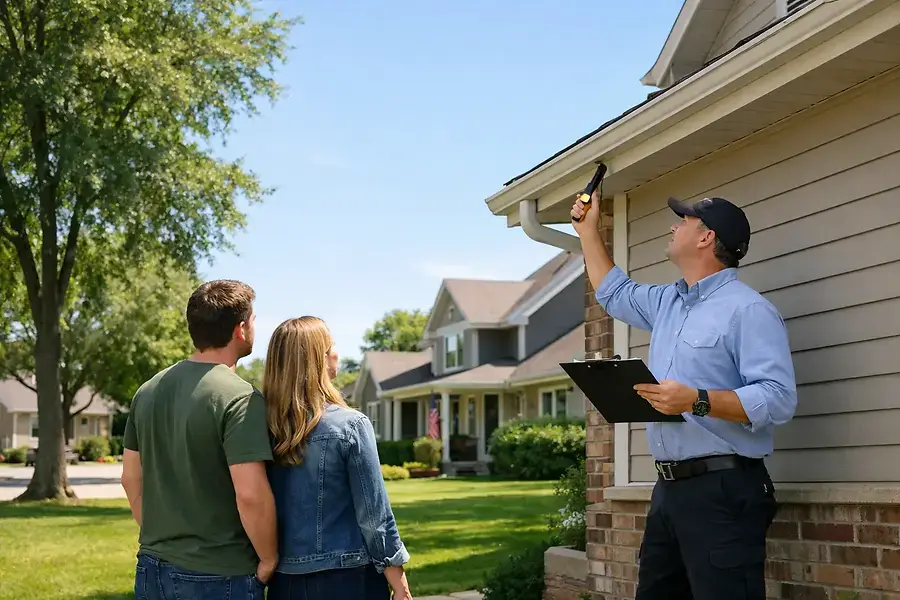
Why Home Inspections Matter in Valparaiso
Purchasing a home is one of the most significant financial decisions you'll make in your lifetime. In Valparaiso, Indiana, where the real estate market is competitive and homes vary widely in age and condition, a professional home inspection is not just recommended—it's essential. A thorough inspection can reveal hidden problems that could cost thousands of dollars to repair, giving you the knowledge needed to negotiate effectively or walk away from a problematic property.
Home inspections serve as your protection against unforeseen expenses and safety hazards. Whether you're buying a charming historic home or a newer construction, an inspector's trained eye can identify issues that untrained buyers might miss entirely. This investment in a professional inspection typically costs between $300 and $500 but can save you from making a costly mistake.
Key Areas Inspectors Examine and What Red Flags to Watch For
Structural Integrity and Foundation
The foundation is the backbone of any home. Inspectors will examine the foundation for cracks, settling, and water damage. Red flags include:
- Large horizontal or stair-step cracks in the foundation
- Evidence of water intrusion or dampness in the basement
- Uneven floors or doors that don't close properly
- Bowing or leaning walls
These issues can indicate serious structural problems that require expensive repairs. In Valparaiso's climate, freeze-thaw cycles can be particularly hard on foundations, making this inspection area especially important.
Roofing and Exterior
Your roof protects everything beneath it. Inspectors will assess the roof's age, condition, and remaining lifespan. Watch for these warning signs:
- Missing, cracked, or curling shingles
- Sagging roof lines
- Moss or algae growth indicating moisture problems
- Deteriorated flashing around chimneys and vents
- Signs of water damage in the attic
A roof replacement can easily cost $10,000 or more, so understanding its condition is crucial before you buy.
Plumbing Systems
Plumbing issues can range from minor annoyances to major disasters. Inspectors will check water pressure, drainage, and the condition of pipes. Red flags include:
- Slow drains or frequent backups
- Visible corrosion on pipes
- Water stains or evidence of leaks
- Outdated galvanized pipes that may need replacement
- Improper venting or grading that directs water toward the foundation
Electrical Systems
Faulty electrical systems pose serious safety risks. Inspectors will examine the electrical panel, outlets, and wiring. Be alert to:
- Outdated or insufficient electrical panels
- Lack of ground fault circuit interrupters (GFCIs) in bathrooms and kitchens
- Aluminum wiring, which poses fire hazards
- Exposed wiring or improper installations
- Insufficient outlets or overloaded circuits
HVAC Systems
Heating and cooling systems are essential for comfort and can be expensive to replace. Inspectors will evaluate the age and condition of furnaces, air conditioners, and ductwork. Concerning signs include:
- Systems nearing the end of their lifespan (typically 15-20 years)
- Rust or corrosion on the unit
- Leaking refrigerant
- Inadequate ductwork or insulation
How to Prepare for an Inspection and Interpret the Report
Before the Inspection
Preparation is key to getting the most value from your home inspection. Here's what you should do:
- Hire a qualified inspector: Look for inspectors certified by the American Society of Home Inspectors (ASHI) or similar organizations
- Attend the inspection: Being present allows you to ask questions and learn about the home's systems firsthand
- Request a detailed report: Ensure your inspector provides a comprehensive written report with photos
- Ask about specialties: If you suspect specific issues, hire inspectors with expertise in those areas
Understanding the Report
Home inspection reports can be lengthy and technical. Focus on these key elements:
- Major systems: Pay special attention to foundation, roof, plumbing, electrical, and HVAC findings
- Safety concerns: Any items marked as safety hazards require immediate attention
- Repair estimates: Some reports include cost estimates for repairs
- Maintenance recommendations: These help you plan for future upkeep
Don't panic if the report identifies issues. Most homes have some problems. The key is understanding which issues are deal-breakers and which are manageable. Use the inspection results to negotiate repairs or credits with the seller, or to make an informed decision about whether to proceed with the purchase.
Next Steps After the Inspection
Once you have the inspection report, consider hiring specialists to evaluate any major concerns. A structural engineer can assess foundation issues, and a licensed electrician can evaluate electrical problems. These follow-up inspections cost extra but provide valuable peace of mind.
Making Informed Decisions Before You Buy
A home inspection is your opportunity to make an informed decision about one of life's biggest purchases. In Valparaiso's real estate market, thorough due diligence separates smart buyers from those who face unexpected expenses and regrets.
Remember: A home inspection isn't about finding reasons to walk away—it's about understanding exactly what you're buying and planning accordingly.
Use the inspection report as a negotiating tool. If significant repairs are needed, request that the seller address them before closing or provide a credit toward repairs. If the inspection reveals deal-breaking issues, you have the information needed to make a confident decision to walk away.
By investing in a professional home inspection and taking time to understand the results, you're protecting your investment and ensuring that your new Valparaiso home is a sound financial decision for years to come. Don't skip this crucial step—your future self will thank you.


