Your Complete Home Inspection Checklist for Fork, Utah Properties
Learn what professional home inspectors look for and how to protect your investment before closing.

Why Home Inspections Matter in Fork's Real Estate Market
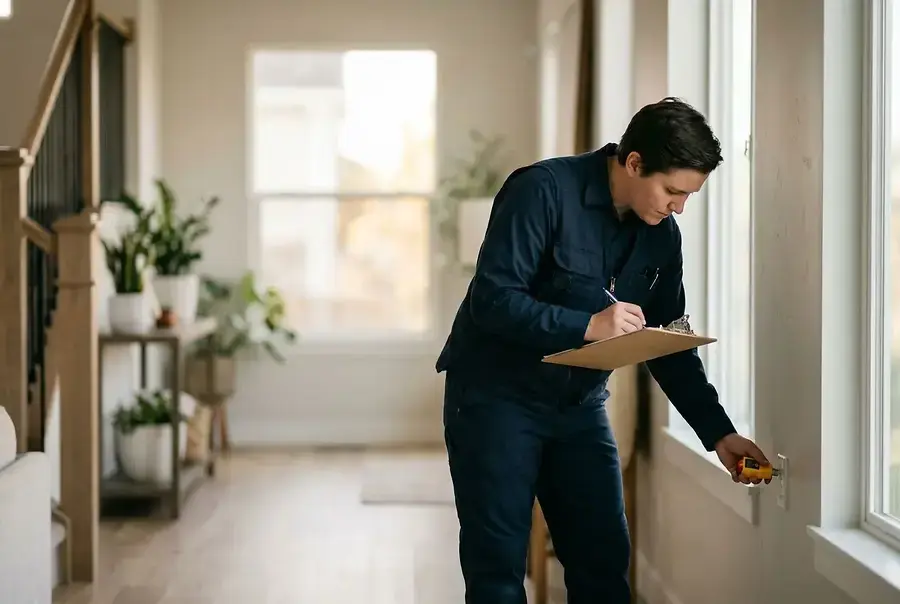
Purchasing a home is one of the most significant financial decisions you'll make in your lifetime. In Fork, Utah's competitive real estate market, a professional home inspection serves as your safeguard against costly surprises after closing. Whether you're buying a historic property or a newly constructed home, understanding what inspectors look for can help you make informed decisions and negotiate repairs or credits with confidence.
A thorough home inspection provides an objective assessment of a property's condition, identifying potential issues before they become expensive problems. This comprehensive evaluation protects both your investment and your family's safety, giving you peace of mind as you move forward with your purchase.
What to Expect During a Professional Home Inspection
The Structural Foundation and Exterior
Professional inspectors begin by examining the property's foundation, looking for cracks, settling, or water damage that could indicate serious structural concerns. They'll assess the condition of the roof, checking for missing shingles, proper ventilation, and signs of leaks. The exterior inspection also includes evaluating siding, windows, doors, and drainage systems to ensure water is properly directed away from the foundation.
Interior Systems and Components
Inside the home, inspectors evaluate several critical systems:
- Electrical System: Testing outlets, checking panel capacity, and identifying outdated or unsafe wiring
- Plumbing: Inspecting pipes, fixtures, water pressure, and drainage to detect leaks or corrosion
- HVAC: Assessing heating and cooling systems for proper operation and maintenance needs
- Appliances: Testing built-in appliances to confirm they function correctly
Interior Condition and Safety
Inspectors examine walls, ceilings, and floors for water damage, mold, or structural issues. They check insulation levels, verify that smoke and carbon monoxide detectors are present and functional, and assess the overall safety of the home. Special attention is paid to areas prone to moisture problems, such as basements, attics, and bathrooms.
Common Issues Found in Fork, Utah Properties and How to Address Them
Water Damage and Moisture Problems
Fork's climate and seasonal weather patterns can create moisture challenges in homes. Common issues include:
- Basement seepage during heavy snow melt or spring rains
- Roof leaks from ice dams in winter months
- Foundation cracks allowing water infiltration
How to address it: Request that the seller repair any active leaks before closing. Ensure proper grading around the foundation and consider installing a sump pump or improved drainage system if needed.
Aging HVAC Systems
Many Fork properties feature older heating systems that may be nearing the end of their lifespan. Furnaces typically last 15-20 years, and replacing them can be a significant expense. During inspection, ask about the age of the system and request maintenance records to gauge its remaining life.
How to address it: Negotiate a credit toward replacement costs or request that the seller install a new system before closing. Alternatively, budget for replacement in your first year of ownership.
Outdated Electrical Systems
Older homes in Fork may have outdated electrical panels or insufficient capacity for modern appliances and technology. Aluminum wiring, which can pose fire hazards, is also found in some properties from the 1960s-1970s.
How to address it: Have a licensed electrician provide a detailed assessment. Request upgrades to the electrical panel or rewiring of problematic circuits before closing.
Roof Condition and Age
The harsh Utah winters and intense summer sun can take a toll on roofing materials. Many inspections reveal roofs that are approaching or past their expected lifespan. Red flags include:
- Curling or missing shingles
- Visible granule loss
- Sagging roof lines
- Improper ventilation
How to address it: Request a professional roof inspection and obtain repair estimates. Use these findings to negotiate credits or request repairs before closing.
Insulation and Energy Efficiency
Older Fork homes may lack adequate insulation, leading to higher heating and cooling costs. Inspectors will assess attic insulation levels and identify areas where energy efficiency can be improved.
How to address it: Budget for insulation upgrades or request credits from the seller. Improving insulation is a cost-effective way to reduce utility bills and increase comfort.
Making Informed Decisions with Inspection Results
Once you receive your inspection report, take time to review it thoroughly. Prioritize issues by severity:
- Critical Issues: Safety hazards or structural problems requiring immediate attention
- Important Issues: Systems nearing end of life or requiring significant repairs
- Minor Issues: Cosmetic concerns or routine maintenance items
Use your inspection findings as a negotiating tool. Request that the seller address critical issues before closing, or ask for credits to handle repairs yourself. Remember that some issues are normal in any home—the goal is to understand what you're buying and plan accordingly.
Don't hesitate to ask your inspector questions or request clarification on any findings. A professional inspector should be willing to explain their concerns and discuss potential solutions. Consider having specialists evaluate any major systems that concern you, such as a structural engineer for foundation issues or a roofer for roof concerns.
By conducting a thorough home inspection and carefully reviewing the results, you're taking a crucial step to protect your investment in Fork, Utah real estate. This diligence ensures you move forward with confidence, knowing exactly what you're purchasing and what to expect in your new home.