Your Complete Home Inspection Guide for Cabot, Arkansas Buyers
Learn what professional inspectors look for and how to protect your investment in Cabot's residential market.

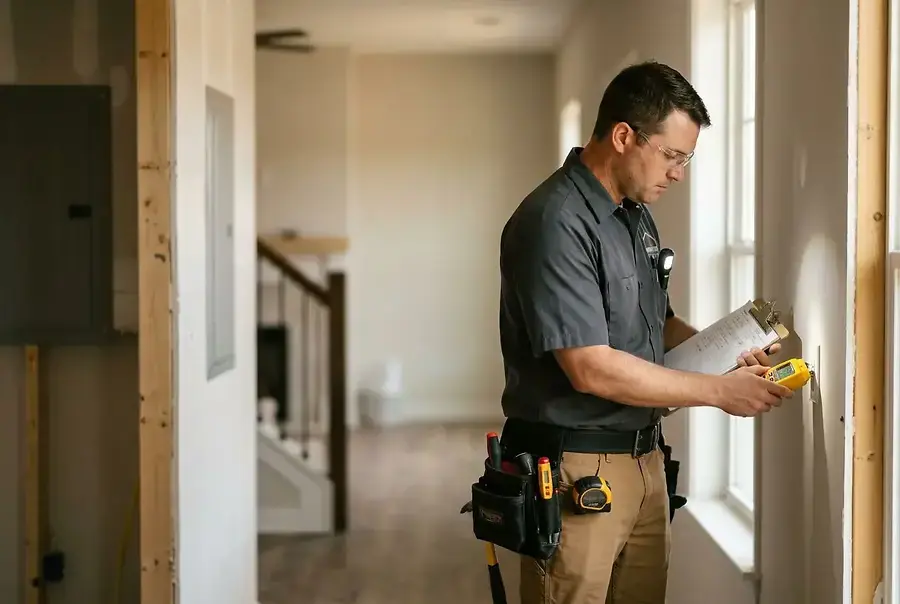
Understanding the Home Inspection Process in Cabot
Purchasing a home is one of the most significant financial decisions you'll make. In Cabot, Arkansas, a professional home inspection is a critical step in the buying process that can save you thousands of dollars in unexpected repairs and provide peace of mind about your investment.
A home inspection is a comprehensive evaluation of a property's physical condition, typically lasting two to four hours. During this process, a certified inspector examines the home's structural integrity, mechanical systems, and overall safety. In Cabot's climate, inspectors pay special attention to issues common in Arkansas homes, such as moisture damage, foundation concerns, and HVAC system performance.
What to Expect During Your Inspection
When you hire a professional inspector, they will provide you with a detailed written report documenting their findings. Most inspectors allow buyers to walk through the property during the inspection, giving you the opportunity to ask questions and learn about the home's systems firsthand. This hands-on experience is invaluable for understanding how to maintain your future property.
Critical Areas Inspectors Examine in Arkansas Homes
Foundation and Structural Components
Arkansas homes are particularly susceptible to foundation issues due to the region's soil composition and moisture levels. Inspectors carefully examine:
- Foundation cracks and settling patterns
- Basement moisture and water intrusion signs
- Crawl space conditions and ventilation
- Structural beam integrity and support systems
A solid foundation is essential for your home's longevity. Any significant structural concerns should be evaluated by a structural engineer before proceeding with your purchase.
Roofing and Exterior Systems
Cabot's weather patterns require robust roofing systems. Inspectors evaluate:
- Roof condition, age, and remaining lifespan
- Shingles, flashing, and gutter systems
- Exterior walls, siding, and paint condition
- Windows, doors, and weatherproofing
The roof is your home's first line of defense against the elements. Understanding its condition helps you budget for future replacements or repairs.
Plumbing and Water Systems
Water-related issues are among the most costly problems homeowners face. Inspectors check:
- Water pressure and flow rates
- Pipe materials and condition
- Drainage systems and septic functionality
- Water heater age and performance
- Signs of leaks or water damage
Electrical Systems
Electrical safety is paramount. Professional inspectors examine:
- Panel capacity and circuit breaker functionality
- Outlet grounding and GFCI protection
- Wiring condition and code compliance
- Lighting fixtures and switches
HVAC and Climate Control
Arkansas summers are hot and humid, making air conditioning essential. Inspectors assess:
- Furnace and air conditioning unit age and efficiency
- Ductwork condition and insulation
- Thermostat functionality
- Ventilation and air quality systems
Red Flags and What They Mean for Your Purchase Decision
Major Concerns That Require Attention
Foundation Problems: Cracks wider than 1/4 inch, bowing walls, or signs of settling warrant professional evaluation. These issues can be expensive to repair and may indicate serious structural problems.
Roof Damage: If the roof is nearing the end of its lifespan or shows significant damage, budget $8,000 to $15,000 for replacement. This is a major expense that should factor into your offer.
Plumbing Issues: Outdated galvanized pipes, active leaks, or poor drainage systems can lead to water damage and mold growth. Replacing plumbing can be costly and invasive.
Electrical Hazards: Outdated wiring, insufficient grounding, or code violations pose safety risks and may require expensive upgrades to meet current standards.
Minor Issues You Can Address
Not every inspection finding is a deal-breaker. Minor issues like:
- Caulking and weatherstripping needs
- Interior paint touch-ups
- Loose cabinet hardware
- Minor landscaping concerns
These can often be negotiated with the seller or addressed after purchase without significant financial impact.
Using Inspection Results in Negotiations
Armed with your inspection report, you have several options:
- Request repairs: Ask the seller to fix major issues before closing
- Request credits: Negotiate a price reduction to cover repairs yourself
- Walk away: If issues are too severe, you can terminate the purchase
- Accept as-is: Proceed with the purchase knowing the home's condition
Your real estate agent and inspector can help you understand which approach makes sense for your situation.
Conclusion: Making Informed Decisions with Professional Guidance
A professional home inspection is an investment in your future. For Cabot homebuyers, understanding what inspectors look for and how to interpret their findings empowers you to make confident purchasing decisions.
Don't skip the inspection to save money—the cost of an inspection is minimal compared to the potential expenses of undiscovered problems.
Work with a certified home inspector who understands Arkansas homes and Cabot's specific environmental conditions. Ask questions, review the detailed report thoroughly, and use the findings to negotiate effectively with sellers. By taking these steps, you'll protect your investment and enjoy your new Cabot home with confidence and peace of mind.