Your Complete Home Inspection Guide for Newark, DE Homebuyers
Learn the critical items to evaluate before purchasing your Newark home and avoid costly surprises.

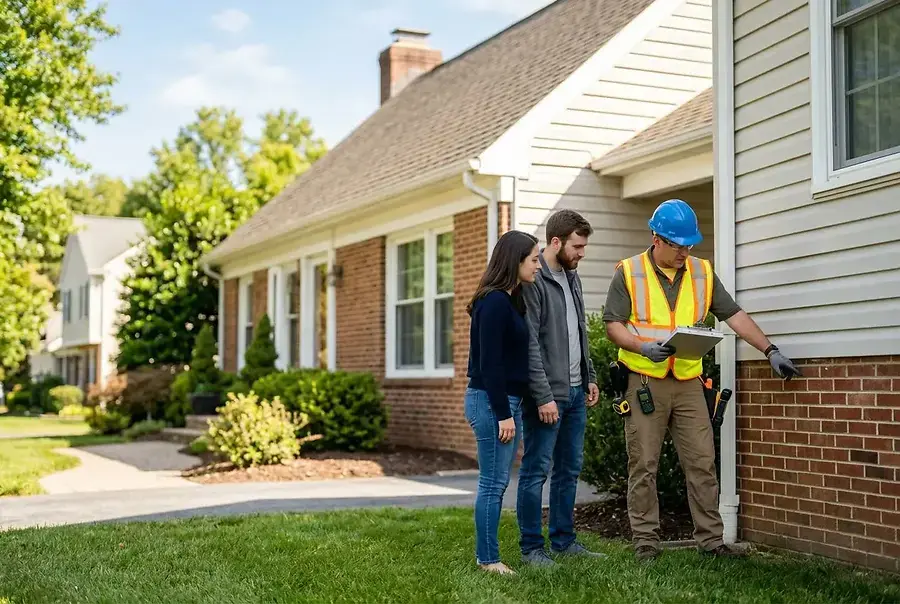
Introduction: Why Home Inspections Matter in Newark's Real Estate Market
Purchasing a home is one of the most significant financial decisions you'll make in your lifetime. In Newark, Delaware's competitive real estate market, a thorough home inspection can be the difference between finding your dream home and inheriting a money pit. A professional home inspection provides an objective assessment of a property's condition, revealing hidden issues that could cost thousands of dollars to repair.
Many first-time homebuyers underestimate the importance of inspections, viewing them as an unnecessary expense. However, the average home inspection costs between $300 and $500—a small investment compared to the potential cost of discovering major problems after closing. In Newark's diverse housing market, from historic properties to modern developments, inspections are essential for understanding what you're truly purchasing.
A qualified home inspector will examine every major system and component of the property, providing you with detailed documentation of the home's current condition. This knowledge empowers you to negotiate repairs, request credits, or make an informed decision about whether to proceed with the purchase.
Structural and Foundation Components: What Inspectors Look For
Foundation Assessment
The foundation is the literal and financial foundation of your home. Inspectors carefully examine the foundation for cracks, settling, water damage, and signs of structural movement. In Newark, where properties range from older colonial homes to newer constructions, foundation issues can vary significantly.
- Cracks and gaps: Minor hairline cracks are common, but larger cracks or stair-step patterns may indicate serious structural problems
- Water intrusion: Signs of moisture, efflorescence (white mineral deposits), or previous water damage suggest drainage or waterproofing issues
- Settling and movement: Uneven floors or doors that don't close properly may indicate foundation settling
Roof and Exterior
Your roof protects everything beneath it, making its condition critical. Inspectors evaluate roofing materials, flashing, gutters, and signs of leaks or deterioration. A roof replacement can easily cost $10,000 or more, so understanding its remaining lifespan is crucial.
The exterior inspection also includes:
- Siding condition and potential rot or damage
- Window and door frames for water damage and proper sealing
- Drainage systems and grading around the foundation
- Deck or porch structural integrity
Interior Structural Elements
Inspectors examine walls, ceilings, and floors for signs of structural problems, water damage, or pest infestation. They look for sagging ceilings, stained drywall, and evidence of previous water damage that might indicate ongoing issues.
Systems and Utilities: Evaluating HVAC, Plumbing, and Electrical
HVAC Systems
Heating, ventilation, and air conditioning systems are essential for comfort and can represent significant replacement costs. Inspectors test both heating and cooling systems to ensure they operate properly. They evaluate:
- Age and condition of furnaces and air conditioning units
- Proper airflow and thermostat functionality
- Ductwork condition and potential leaks
- Maintenance history and filter accessibility
A new HVAC system can cost $5,000 to $15,000, making this assessment particularly important for older Newark properties.
Plumbing Systems
Water is essential, but water problems are expensive. Home inspectors evaluate water pressure, drainage, and the condition of pipes throughout the property. They check for:
- Leaks under sinks and around toilets
- Water pressure and flow rate issues
- Pipe material and age (older homes may have outdated materials)
- Water heater condition and capacity
- Septic system functionality (for properties not on municipal systems)
In Newark, some older homes may have galvanized or cast iron pipes that are nearing the end of their lifespan. Identifying these issues early allows you to budget for future replacements.
Electrical Systems
A safe electrical system is non-negotiable. Inspectors examine the main electrical panel, outlets, switches, and wiring throughout the home. They verify that the system has adequate capacity for modern appliances and identifies potential safety hazards such as:
- Outdated or unsafe panel types
- Insufficient grounding or bonding
- Overloaded circuits
- Missing ground fault circuit interrupters (GFCIs) in wet areas
- Aluminum wiring (a fire hazard in some cases)
Electrical issues can pose serious safety risks, and addressing them should be a priority before closing on your Newark home.
Additional Inspection Considerations
Pest and Moisture Inspections
While not always included in standard inspections, pest and moisture inspections are valuable add-ons. These specialized inspections identify termite damage, wood rot, mold, and other moisture-related issues that could compromise the home's structural integrity.
Radon and Environmental Testing
Radon is a naturally occurring radioactive gas that can accumulate in homes, particularly in basements. Testing for radon is recommended in Delaware and can be performed during the inspection period. Radon mitigation systems are relatively affordable if needed, typically costing $800 to $2,500.
Conclusion: Making Confident Offers with Inspection Knowledge
A comprehensive home inspection is your opportunity to understand exactly what you're purchasing. By knowing the condition of structural components, systems, and utilities, you can make informed decisions about your Newark home purchase.
Use inspection findings strategically: If significant issues are discovered, you have several options. You can request repairs from the seller, ask for a credit toward closing costs, renegotiate the purchase price, or walk away from the deal if problems are too extensive.
Remember that no home is perfect—inspections typically reveal minor issues that are normal for properties of any age. The goal is to identify major problems that could affect your safety, comfort, or financial investment. By taking home inspections seriously and understanding what inspectors evaluate, you'll approach your Newark home purchase with confidence and protect yourself from costly surprises.
A thorough home inspection is not an expense—it's an investment in your peace of mind and financial security as a homeowner.


