Your Complete Home Inspection Guide for Rochester, MI Buyers
Learn what professional inspectors look for and how to protect your investment in Rochester's residential market.

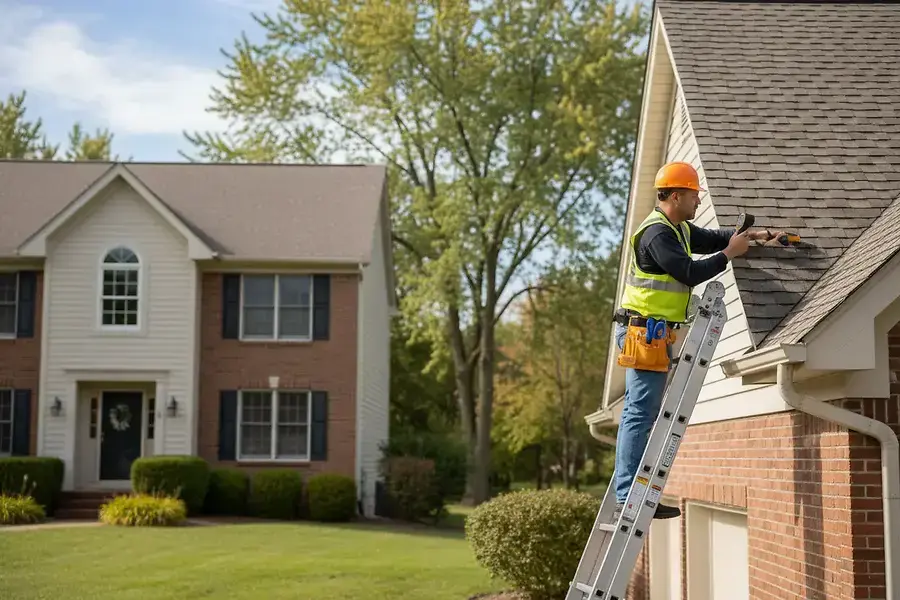
Understanding the Home Inspection Process
Purchasing a home is one of the most significant investments you'll make in your lifetime. In Rochester, Michigan's competitive real estate market, a professional home inspection is your safeguard against costly surprises. A home inspection is a thorough examination of a property's physical structure and systems, conducted by a certified inspector who provides you with a detailed report of the home's condition.
The inspection typically takes two to four hours depending on the home's size and age. During this time, the inspector will examine everything from the foundation to the roof, testing systems and identifying potential issues. As a buyer, you have the right to be present during the inspection, and it's highly recommended that you attend to ask questions and gain firsthand knowledge about your potential new home.
What to Expect During Your Inspection
Your inspector will arrive with specialized tools and equipment to assess the property comprehensively. They'll document their findings with photographs and detailed notes, which become part of your inspection report. This report is crucial—it gives you leverage in negotiations and helps you understand what repairs or maintenance may be needed after purchase.
Key Areas Inspectors Evaluate in Michigan Homes
Structural Components
Inspectors begin by examining the home's foundation, looking for cracks, settling, or water damage. Michigan's freeze-thaw cycles can be particularly hard on foundations, making this assessment critical. They'll also evaluate the roof's condition, checking for missing shingles, proper ventilation, and signs of leaks.
Electrical and Plumbing Systems
A thorough inspection includes testing electrical outlets, checking the circuit breaker panel, and ensuring the home meets current safety codes. For plumbing, inspectors verify water pressure, check for leaks, test drainage, and assess the water heater's condition and age. Michigan homes often have older systems that may need updating to meet modern standards.
HVAC Systems
Your heating and cooling systems are essential in Michigan's climate. Inspectors test furnaces, air conditioning units, and ductwork to ensure they're functioning properly. They'll note the age of these systems, as replacements can be expensive investments.
Interior and Exterior Conditions
Inspectors examine:
- Windows and doors for proper sealing and operation
- Insulation levels and ventilation
- Siding, gutters, and downspouts for damage or deterioration
- Interior walls and ceilings for water stains or structural issues
- Basement or crawl space conditions
- Decks and patios for safety and structural integrity
Appliances and Safety Features
While inspectors typically don't test appliances in detail, they note their presence and condition. They also verify that safety features like smoke detectors, carbon monoxide detectors, and proper grounding are in place.
Red Flags to Watch Out For and Next Steps
Major Concerns
Foundation problems are among the most serious issues. Look for significant cracks, bowing walls, or evidence of water intrusion. Roof damage requiring replacement can cost thousands of dollars. Electrical hazards, such as outdated wiring or improper grounding, pose safety risks and may require professional remediation.
Plumbing issues like corroded pipes, slow drainage, or water damage indicate potential costly repairs. HVAC system failures in an older home may mean imminent replacement. Mold or moisture problems are red flags that suggest deeper structural or ventilation issues.
Minor Concerns
Not everything in an inspection report is a deal-breaker. Minor issues like:
- Worn caulking around tubs and showers
- Loose handrails or missing outlet covers
- Cosmetic damage to walls or flooring
- Aging but functional appliances
These can often be negotiated or addressed after purchase without significant expense.
What to Do With Your Inspection Report
Once you receive your inspection report, take time to review it carefully. Don't panic at the first sign of an issue—many homes have minor problems. Instead, prioritize concerns by severity and cost. Use the report as a negotiation tool to request repairs, credits, or price adjustments from the seller.
For significant issues, consider obtaining quotes from contractors to understand the true cost of repairs. You may also want to hire specialists for specific concerns—for example, a structural engineer for foundation issues or a plumber for major system problems.
Pro Tip: Don't skip the home inspection to save money. The cost of an inspection (typically $300-$500) is minimal compared to the potential cost of undiscovered problems. It's one of the best investments you can make as a homebuyer.
Conclusion: Making Informed Decisions with Inspection Reports
A professional home inspection is an essential step in the Rochester homebuying process. It provides you with objective information about your potential investment and empowers you to make informed decisions. Whether you're buying a historic home in downtown Rochester or a newer property in the suburbs, understanding what inspectors evaluate helps you ask the right questions and negotiate effectively.
Remember, no home is perfect. The goal of an inspection isn't to find a flawless property—it's to understand what you're buying and plan for future maintenance and repairs. By taking the inspection process seriously and using the report strategically, you're protecting your investment and setting yourself up for success in Rochester's real estate market.
Work with your real estate agent and inspector to ensure you have all the information needed to move forward confidently with your home purchase.


