Your Complete Home Inspection Guide: What Buyers Need to Know
Protect your investment by understanding what inspectors look for and how to identify potential red flags before closing.

Introduction: Why Home Inspections Matter in Your Purchase Decision
Purchasing a home is one of the most significant financial decisions you'll make in your lifetime. While you may have fallen in love with the property's aesthetics and location, what lies beneath the surface—literally and figuratively—can make or break your investment. A professional home inspection is your opportunity to uncover hidden issues before you sign the final papers.
A thorough home inspection provides you with detailed information about the property's condition, helping you understand what you're truly buying. Rather than discovering costly problems after closing, an inspection empowers you to negotiate repairs, request credits, or walk away if necessary. This critical step protects both your financial interests and your peace of mind.
Critical Areas Inspectors Evaluate: Foundation, Roof, and Plumbing Systems
Foundation and Structural Integrity
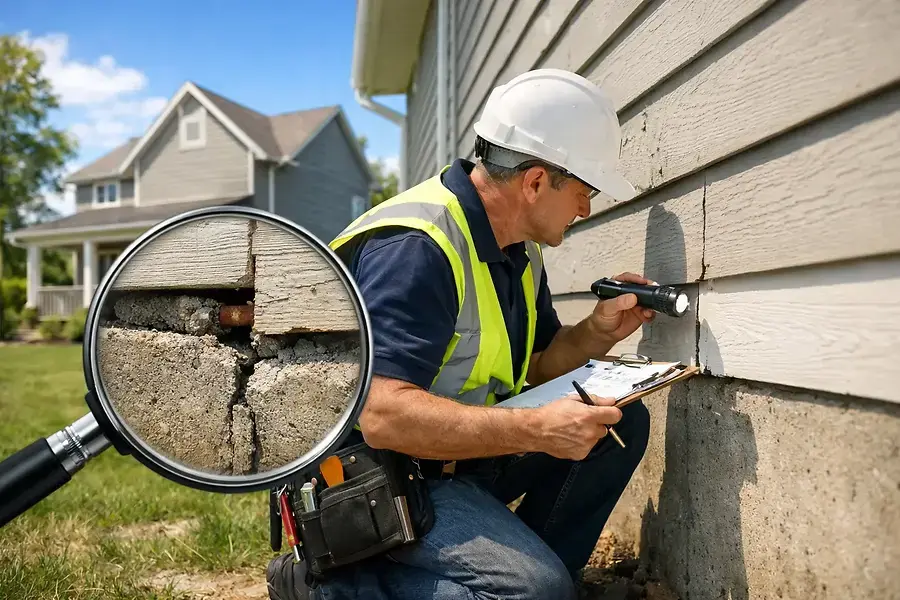
The foundation is the backbone of any home. Inspectors carefully examine the foundation for signs of settling, cracks, water damage, and structural movement. They look for:
- Horizontal or vertical cracks that may indicate serious structural problems
- Water intrusion and moisture damage in basements or crawl spaces
- Uneven floors or doors that don't close properly, suggesting foundation shifts
- Pest damage from termites or other wood-destroying insects
A compromised foundation can be extremely expensive to repair, sometimes costing tens of thousands of dollars. This is why foundation assessment is one of the most critical aspects of any inspection.
Roof Condition and Longevity
Your roof protects everything beneath it, making its condition paramount. Inspectors evaluate:
- Shingle condition and signs of deterioration, curling, or missing pieces
- Flashing integrity around chimneys, vents, and skylights
- Gutter and downspout functionality for proper water drainage
- Estimated remaining lifespan of the roofing materials
Roof replacement can cost $10,000 to $30,000 or more, depending on the size and materials. Understanding the roof's age and condition helps you budget for future maintenance or negotiate repairs before purchase.
Plumbing Systems and Water Quality
Plumbing issues can lead to water damage, mold growth, and costly repairs. Inspectors check:
- Water pressure and flow rates throughout the home
- Pipe materials and age, particularly older galvanized or polybutylene pipes prone to failure
- Drainage systems and signs of clogs or backups
- Water heater condition and remaining lifespan
- Septic systems (if applicable) for proper function and maintenance
Plumbing repairs can range from minor fixes to complete system replacements. Identifying issues early allows you to factor these costs into your offer or negotiate repairs with the seller.
Common Issues Found During Inspections and Negotiation Strategies
Frequent Problems Discovered
While every home is unique, inspectors commonly find:
- HVAC system issues including outdated units, poor maintenance, or needed repairs
- Electrical problems such as outdated panels, insufficient outlets, or code violations
- Insulation and ventilation deficiencies affecting energy efficiency
- Mold and moisture issues in bathrooms, basements, or attics
- Asbestos or lead paint in older homes requiring professional remediation
Effective Negotiation Strategies
Once you receive your inspection report, you have several options:
Request Repairs: Ask the seller to fix identified issues before closing. This works best for straightforward problems with clear solutions.
Negotiate a Price Reduction: Request a credit toward the purchase price to cover repair costs. This gives you flexibility to hire contractors of your choice.
Request a Combination: Have the seller address critical issues while offering a credit for minor repairs you'll handle yourself.
Walk Away: If inspection findings reveal extensive problems that significantly impact the property's value, you may decide the home isn't worth the investment.
"A home inspection is not about finding reasons to back out of a deal—it's about making an informed decision with complete knowledge of what you're purchasing."
When negotiating, prioritize major structural and safety issues over cosmetic concerns. Sellers are more likely to address foundation problems or electrical hazards than minor aesthetic issues. Be reasonable in your requests; unrealistic demands may cause negotiations to collapse.
Understanding Your Inspection Report
Professional inspectors provide detailed reports categorizing findings by severity:
- Safety Issues: Problems that pose immediate danger, like faulty electrical wiring
- Major Repairs: Significant issues requiring professional attention, such as roof leaks
- Minor Repairs: Small problems that don't affect safety or functionality
- Maintenance Recommendations: Suggestions for ongoing care and upkeep
Take time to review the report thoroughly and ask your inspector to explain any findings you don't understand. Don't hesitate to request clarification on repair costs or urgency levels.
Conclusion: Using Inspection Reports to Make Confident Real Estate Decisions
A home inspection is an investment in your future. By understanding what inspectors evaluate and how to interpret their findings, you gain the knowledge needed to make confident purchasing decisions. Whether you're a first-time homebuyer or an experienced investor, a thorough inspection protects your financial interests and helps you avoid costly surprises down the road.
Remember, no home is perfect. The goal of an inspection isn't to find a flawless property—it's to understand the property's true condition and make an informed decision about whether it's the right investment for you. Armed with detailed inspection information and effective negotiation strategies, you can move forward with confidence, knowing you've done your due diligence.
Don't skip the inspection or rush through the process. This critical step could save you thousands of dollars and years of regret. Your dream home deserves a thorough evaluation, and you deserve complete peace of mind in your purchase decision.