Your Complete Puyallup Home Inspection Guide for Smart Buyers
Learn what to look for during a home inspection to protect your investment and negotiate confidently.

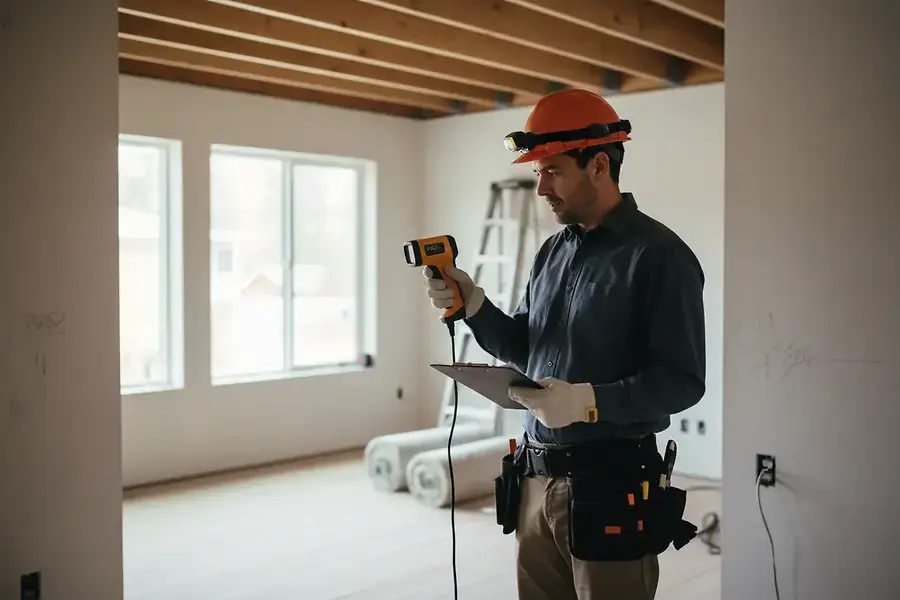
Understanding the Home Inspection Process and What Inspectors Check
A home inspection is one of the most critical steps in the home-buying process. This thorough evaluation of a property's condition gives you valuable insight into what you're actually purchasing. In Puyallup, professional home inspectors examine everything from the foundation to the roof, providing a detailed report that can influence your negotiating power and peace of mind.
During a typical home inspection, which usually lasts 2-4 hours, inspectors evaluate the property's major systems and components. They'll walk through every accessible area, including the attic, basement, and crawl spaces. The inspector will test appliances, check electrical systems, inspect plumbing, and examine the structural integrity of the home. You have the right to be present during the inspection, and many experts recommend attending to ask questions and understand the findings firsthand.
What Professional Inspectors Evaluate
Professional home inspectors follow a standardized checklist that covers numerous aspects of your potential home:
- Roof and gutters – condition, age, and remaining lifespan
- Exterior walls and foundation – cracks, water damage, and structural issues
- Windows and doors – functionality and seal integrity
- HVAC systems – heating and cooling efficiency
- Electrical systems – safety and code compliance
- Plumbing – water pressure, drainage, and potential leaks
- Interior walls and ceilings – water stains and structural damage
- Appliances – operational status and age
The inspector will document their findings in a comprehensive report, typically delivered within 24-48 hours. This report becomes your roadmap for negotiations and future maintenance planning.
Critical Systems and Structural Elements to Evaluate
While inspectors check everything, certain systems are particularly important because repairs can be expensive and impact your safety. Understanding these critical areas helps you ask informed questions and prioritize concerns.
Foundation and Structural Integrity
The foundation is literally what holds your home together. Inspectors look for cracks, settling, water intrusion, and signs of foundation movement. Even small cracks can indicate larger problems, especially in Puyallup's climate where moisture and soil conditions can affect foundations over time. Structural repairs are among the most costly, so this deserves careful attention.
Roofing and Water Protection
Your roof protects everything beneath it. Inspectors assess shingle condition, flashing integrity, and signs of leaks or water damage. A roof nearing the end of its lifespan may need replacement within a few years, which is a significant expense. Look for water stains on ceilings and attic areas, as these indicate past or present leaks.
Electrical and Plumbing Systems
These systems are essential for daily living and safety. Inspectors check for outdated wiring, insufficient outlets, grounding issues, and code violations. For plumbing, they assess water pressure, drainage, and signs of leaks. Older homes may have outdated systems that need upgrading, which can be costly but necessary for safety and functionality.
HVAC Systems
Heating and cooling systems are critical for comfort and can be expensive to replace. Inspectors evaluate the age, condition, and efficiency of your furnace, air conditioning, and ventilation systems. They'll note whether maintenance records are available and if the system is operating properly.
Red Flags and When to Negotiate Repairs or Walk Away
Not every issue found during inspection is a deal-breaker, but some warrant serious consideration. Knowing the difference helps you make smart decisions.
Major Red Flags That Require Action
- Foundation problems – cracks wider than 1/4 inch, bowing walls, or water in basement
- Roof damage – missing shingles, extensive wear, or active leaks
- Electrical hazards – outdated panels, exposed wiring, or code violations
- Plumbing issues – active leaks, slow drainage, or corroded pipes
- Mold or water damage – signs of moisture problems or mold growth
- Pest damage – termite damage, rodent infestation, or structural compromise
Negotiation Strategies
Once you have the inspection report, you have leverage. You can request that the seller make repairs before closing, offer a credit toward repairs you'll handle yourself, or ask for a price reduction. Get repair estimates from licensed contractors to support your negotiation requests with concrete numbers.
For minor issues like worn weatherstripping or outdated fixtures, you might choose to handle these yourself after purchase. However, for structural, electrical, or plumbing issues, it's wise to have the seller address them or provide significant credits.
When to Walk Away
Sometimes, the inspection reveals problems that make the deal unwise. Consider walking away if:
- Foundation repairs would exceed 10-15% of the purchase price
- Multiple major systems need replacement simultaneously
- The seller refuses to address critical safety issues
- Hidden damage suggests poor maintenance history
- Your gut tells you the problems are too extensive
Remember, there are other homes available. Don't let emotions override practical judgment.
Moving Forward with Confidence After Inspection Results
Once you've reviewed the inspection report and negotiated any necessary repairs or credits, you're ready to move forward with confidence.
Creating a Maintenance Plan
Use the inspection report to create a maintenance schedule for your new home. Note the age of major systems and plan for future replacements. Preventive maintenance is far less expensive than emergency repairs. Keep all inspection reports and receipts for future reference and resale value.
Understanding Your Home Better
The inspection report is your home's health record. Review it thoroughly and ask your inspector to explain anything you don't understand. This knowledge helps you maintain your investment properly and catch problems early.
Final Steps Before Closing
Ensure all negotiated repairs are completed and verified before closing. Request a final walk-through to confirm the property's condition matches the inspection findings and any agreed-upon repairs have been made properly.
A thorough home inspection is an investment in your peace of mind and financial security. It empowers you to make informed decisions and protects your most significant purchase.
By understanding the inspection process, knowing what to look for, and using the results strategically, you're taking control of your home-buying journey in Puyallup. Trust the process, ask questions, and don't hesitate to walk away if something doesn't feel right. Your future self will thank you for the diligence you invest today.


