Your Essential Guide to Home Inspections for Boardman, OH Buyers
Discover the critical inspection points that protect your investment when purchasing a home in Boardman.

Understanding the Home Inspection Process
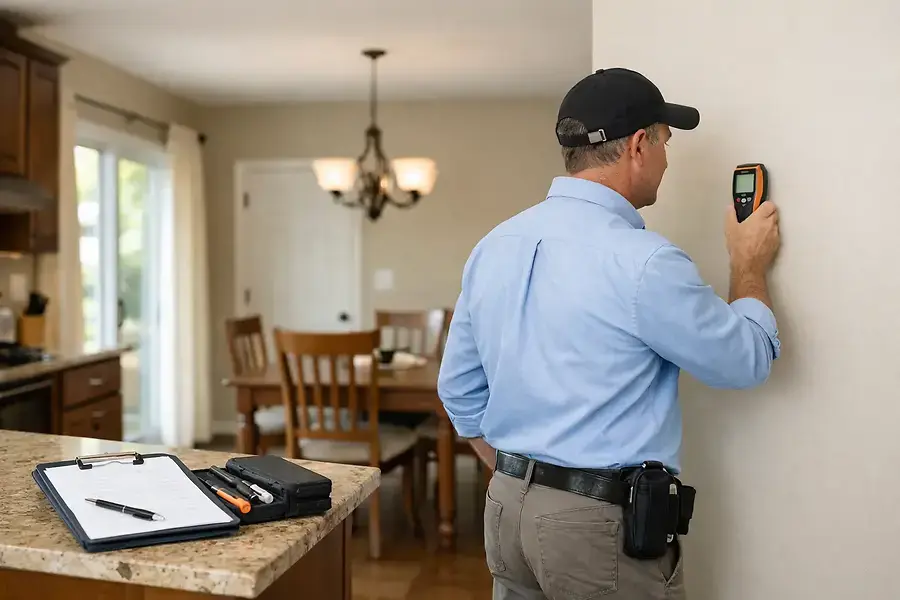
A home inspection is one of the most important steps in the home buying process. When purchasing a property in Boardman, OH, a professional home inspector will conduct a thorough examination of the property's structural integrity, systems, and overall condition. This typically takes two to three hours and provides you with a detailed report of the home's current state.
The inspector will evaluate everything from the foundation to the roof, checking for any issues that could affect the home's safety, functionality, or value. Understanding what happens during this process helps you prepare for what to expect and ask the right questions. Most inspectors will provide you with a written report detailing their findings, which becomes a crucial tool in your purchasing decision.
What to Expect During the Inspection
During the inspection, you have the right to be present and ask questions. The inspector will walk through the property systematically, documenting observations and taking photographs. Being present allows you to learn about your potential home firsthand and understand any concerns the inspector identifies. You'll see them checking outlets, testing appliances, examining walls for cracks, and inspecting mechanical systems.
Key Areas Inspectors Examine in Boardman Homes
Structural Components
Inspectors pay close attention to the foundation, walls, and overall structural integrity of the home. In Boardman, where weather conditions can be variable, foundation issues are particularly important to identify. Any signs of settling, cracks, or water damage in the basement or crawl space are red flags that need attention.
Roofing and Exterior
The roof is one of the most expensive components to replace. Inspectors examine shingles, flashing, gutters, and downspouts for signs of wear, damage, or improper installation. They'll also check the exterior walls, windows, doors, and siding for water intrusion risks and deterioration. A well-maintained roof can last 20-25 years, but damage can significantly reduce this lifespan.
Plumbing Systems
Your inspector will check:
- Water pressure and flow throughout the home
- Condition of visible pipes and connections
- Functionality of drains and sewage systems
- Water heater age and condition
- Signs of leaks or water damage
Plumbing issues can be costly, making this inspection area particularly important for your investment protection.
Electrical Systems
The inspector will evaluate the electrical panel, outlets, switches, and wiring. They'll check for proper grounding, adequate capacity for modern appliances, and any safety concerns. Outdated electrical systems may need upgrades to safely handle today's power demands.
HVAC Systems
Heating, ventilation, and air conditioning systems are essential for comfort and indoor air quality. Inspectors test these systems to ensure they're functioning properly and will assess their age and condition. Replacement costs for HVAC systems can be substantial, so understanding their current state is crucial.
Interior Components
Inspectors examine:
- Walls, ceilings, and floors for damage or stains
- Windows and doors for proper operation
- Insulation and ventilation
- Appliances included in the sale
- Stairs, railings, and safety features
How to Use Inspection Results in Your Purchase Decision
Reviewing Your Inspection Report
Once you receive the inspection report, take time to review it carefully. The report will categorize findings as major issues, minor issues, or recommendations for maintenance. Don't panic if you see items listed—most homes have some issues. The key is understanding which ones are deal-breakers and which are manageable.
Prioritizing Issues
Not all inspection findings are created equal. A roof that needs replacement in five years is different from one that's actively leaking. Focus on:
- Safety issues: Electrical hazards, structural problems, or mold
- Major systems: Roof, HVAC, plumbing, and foundation
- Cost implications: How much will repairs realistically cost?
- Timeline: Do repairs need immediate attention or can they wait?
Negotiation Strategies
Armed with your inspection report, you have several options:
- Request the seller make repairs before closing
- Ask for a credit toward closing costs to handle repairs yourself
- Renegotiate the purchase price based on needed repairs
- Walk away if issues are too significant or costly
Your inspector's report gives you leverage in negotiations and protects your financial interests. Work with your real estate agent to determine the best approach based on the local market and specific issues found.
Next Steps After Your Inspection Report
Addressing Major Concerns
If significant issues are identified, consider hiring a specialist for further evaluation. For example, a structural engineer can assess foundation problems, or a licensed electrician can evaluate electrical concerns. These secondary inspections provide detailed information for negotiation or decision-making.
Planning for Future Maintenance
Use the inspection report as a maintenance guide for your future ownership. Items noted as "recommend maintenance" should be scheduled and budgeted for. Proactive maintenance prevents small issues from becoming expensive problems.
Final Walk-Through
Before closing, conduct a final walk-through of the property. Verify that any agreed-upon repairs have been completed satisfactorily and that the home's condition matches the inspection report. This is your last opportunity to identify any new issues or ensure repairs meet your expectations.
Moving Forward with Confidence
A thorough home inspection is your best defense against unexpected surprises after purchase. By understanding the inspection process, knowing what inspectors examine, and using the results strategically, you're making an informed decision about one of the largest investments of your life. In Boardman, a professional home inspection protects your investment and gives you peace of mind as you move forward with your purchase.
"A home inspection is not an expense—it's an investment in your peace of mind and financial security."


