Your Essential Guide to Home Inspections in Southfield, Michigan
Discover the critical inspection checklist that protects your investment and prevents costly surprises when buying a home in Southfield.

Why Home Inspections Matter in Southfield's Competitive Market
Purchasing a home is one of the most significant financial decisions you'll make in your lifetime. In Southfield's competitive real estate market, where properties move quickly and competition is fierce, a professional home inspection serves as your critical safeguard against hidden defects and costly repairs down the road.
A thorough home inspection provides you with an objective assessment of a property's condition before you commit to the purchase. Rather than relying solely on the seller's representations or your own observations, a certified inspector brings specialized knowledge and experience to identify issues that untrained eyes might miss. This knowledge translates directly into negotiating power and peace of mind.
Why is this especially important in Southfield? Many homes in the area were built decades ago and may have outdated systems, aging foundations, or wear-and-tear that requires attention. Even newer constructions can have installation defects or code violations that need addressing.
Key Areas Professional Inspectors Evaluate in Michigan Homes
Structural Components and Foundation
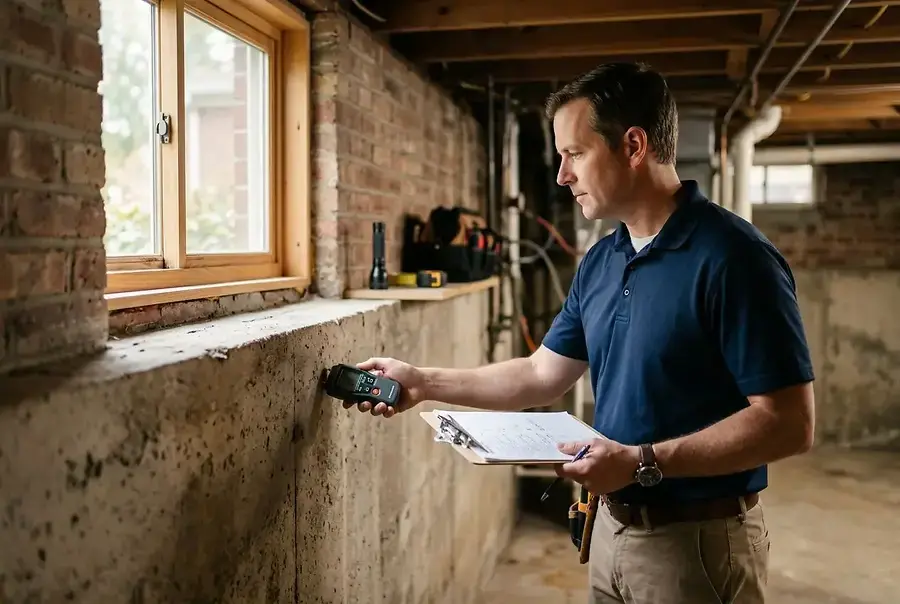
The foundation is the literal backbone of your home. Inspectors examine the foundation for cracks, settling, water damage, and signs of structural movement. They assess basement walls, crawl spaces, and the overall integrity of the structure. In Michigan, where freeze-thaw cycles are common, foundation issues are particularly important to identify early.
Roofing and Exterior
Your roof protects everything beneath it. Inspectors evaluate:
- Roof age and remaining lifespan
- Missing or damaged shingles
- Flashing and gutter conditions
- Exterior siding, trim, and paint condition
- Windows and doors for proper sealing
Michigan's harsh winters make a sound roof essential. A failing roof can lead to water intrusion, mold, and structural damage.
Plumbing Systems
Inspectors test water pressure, check for leaks, and assess the condition of pipes throughout the home. They examine:
- Water supply lines and shut-off valves
- Drain and sewer lines
- Water heater age and functionality
- Fixtures for proper operation
Older homes in Southfield may have outdated plumbing materials that require replacement.
Electrical Systems
A qualified inspector evaluates the electrical panel, wiring, outlets, and switches for safety and code compliance. They look for:
- Proper grounding and bonding
- Adequate circuit capacity
- Signs of overheating or damage
- GFCI protection in wet areas
Outdated electrical systems may not support modern appliance loads and could pose fire hazards.
HVAC Systems
Heating and cooling systems are critical in Michigan's climate. Inspectors assess furnace and air conditioning unit age, efficiency, and functionality. They check ductwork for leaks and proper insulation, which directly impacts your utility bills.
Interior Components
Inspectors examine walls, ceilings, floors, and insulation for damage, moisture, and proper installation. They look for signs of water damage, mold, pest infestation, and structural issues that might not be immediately visible.
Understanding Red Flags and How to Respond to Inspection Findings
Major Red Flags That Require Attention
Foundation cracks or settling: Horizontal cracks or signs of significant settling warrant a structural engineer's evaluation. These issues can be expensive to repair and may affect the home's value and insurability.
Roof damage or age: A roof nearing the end of its lifespan (typically 20-25 years) will need replacement soon. Budget $8,000-$15,000+ for a new roof, depending on size and materials.
Water damage or mold: These indicate moisture intrusion problems that can worsen over time and pose health risks. Identifying the source is critical before proceeding.
Electrical hazards: Outdated wiring, improper grounding, or overloaded circuits present fire risks and safety concerns.
Plumbing issues: Corroded pipes, leaks, or sewer line problems can be costly to repair and may require excavation.
How to Respond to Inspection Findings
Request repairs: For significant issues, ask the seller to repair them before closing. This shifts the responsibility and cost to the current owner.
Negotiate a price reduction: If repairs are minor or the seller won't fix them, request a credit toward closing costs or a lower purchase price to account for repairs you'll make.
Get specialist evaluations: For major concerns like foundation issues or roof damage, hire a specialist to provide a detailed assessment and repair estimate.
Walk away if necessary: If inspection reveals extensive problems that would require significant investment, you have the right to terminate the purchase agreement, depending on your inspection contingency terms.
Plan for future maintenance: Minor issues that don't require immediate attention should be documented so you can budget for repairs and maintenance over time.
Making Confident Decisions as a Southfield Home Buyer
A professional home inspection is your opportunity to make an informed decision about one of life's biggest purchases. By understanding what inspectors evaluate and recognizing red flags, you empower yourself to negotiate effectively and avoid costly surprises.
Remember that no home is perfect. The goal of an inspection isn't to find a flawless property—it's to identify issues so you can make decisions based on facts rather than assumptions. Whether you decide to request repairs, negotiate a lower price, or walk away, you'll do so with confidence and clarity.
In Southfield's competitive market, a thorough home inspection is not an expense—it's an investment in your financial security and peace of mind. Take the time to hire a qualified, certified inspector and carefully review their findings before making your final decision.


