Your Essential Home Inspection Guide for Buying in Fayetteville, AR
Essential steps to evaluate your potential home and avoid costly surprises during the purchase process.

Why Home Inspections Matter in Fayetteville's Competitive Market
Buying a home in Fayetteville, Arkansas is an exciting milestone, but it's also one of the largest financial investments you'll make. In today's competitive real estate market, it's easy to get caught up in the excitement and overlook critical details about a property's condition. A professional home inspection is your safeguard against purchasing a home with hidden defects that could cost thousands of dollars to repair.
Home inspections provide an objective assessment of a property's structural integrity, mechanical systems, and overall condition. Whether you're a first-time homebuyer or an experienced investor, understanding what to look for during an inspection can save you from costly surprises down the road. In Fayetteville's growing market, where homes are selling quickly, having a thorough inspection gives you the confidence to make informed decisions.
Key Areas to Inspect: Structural Foundation, Roof, HVAC, and Plumbing Systems
Structural Foundation
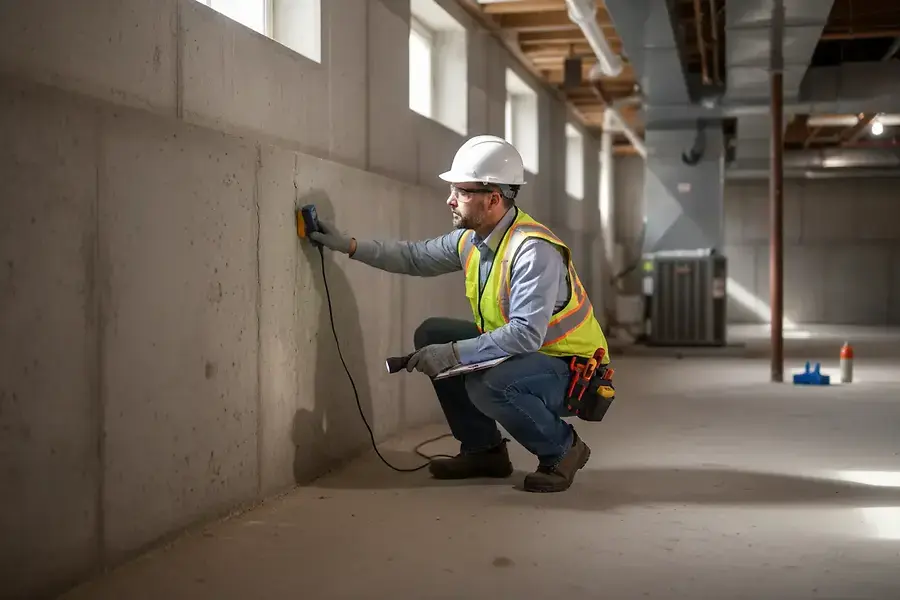
The foundation is the backbone of any home. During your inspection, look for signs of settling, cracks, or water damage in the basement or crawl space. Foundation issues are among the most expensive repairs, so this deserves careful attention. A qualified inspector will check for:
- Horizontal or vertical cracks in foundation walls
- Water stains or moisture accumulation
- Uneven floors or doors that don't close properly
- Evidence of previous repairs or patching
Minor cracks may be normal settling, but significant structural issues require professional evaluation and can affect your home's resale value.
Roof Condition
Your roof protects everything beneath it, making its condition critical. Fayetteville's weather patterns mean roofs endure significant wear and tear. During inspection, examine:
- Age and remaining lifespan of roofing materials
- Missing, cracked, or curled shingles
- Proper ventilation and attic conditions
- Flashing around chimneys, vents, and skylights
- Signs of leaks or water damage in the attic
A roof replacement can cost $10,000 or more, so understanding its current condition is essential for budgeting future maintenance.
HVAC Systems
Heating, ventilation, and air conditioning systems are vital for comfort and energy efficiency. Your inspector should evaluate:
- Age and condition of furnace and air conditioning units
- Proper operation and thermostat functionality
- Ductwork integrity and insulation
- Filter accessibility and maintenance history
- Safety features and carbon monoxide detectors
HVAC repairs or replacements can be expensive, so knowing the system's age and condition helps you plan for future expenses.
Plumbing Systems
Water damage from plumbing issues can be catastrophic. A thorough inspection includes:
- Water pressure and flow rates throughout the home
- Condition of visible pipes and connections
- Functionality of toilets, sinks, and showers
- Water heater age and condition
- Signs of leaks, corrosion, or outdated materials
- Proper drainage and sump pump operation if applicable
Older homes may have outdated plumbing materials that require replacement, so this inspection is particularly important in Fayetteville's diverse housing stock.
Red Flags and What to Do If Issues Are Found
Common Red Flags
Certain findings during a home inspection should raise concerns and warrant further investigation:
- Mold or mildew: Indicates moisture problems that could affect health and structural integrity
- Outdated electrical systems: Aluminum wiring or insufficient grounding poses safety risks
- Pest damage: Termite or rodent damage can compromise structural elements
- Asbestos or lead paint: Older homes may contain hazardous materials requiring professional remediation
- Poor ventilation: Can lead to moisture accumulation and mold growth
- Unpermitted additions: May not meet building codes and could complicate future sales
Taking Action on Inspection Findings
If your inspection reveals issues, you have several options:
Request repairs: Ask the seller to fix significant problems before closing. This is most effective for major structural or system issues.
Negotiate credits: Request a credit toward closing costs to handle repairs yourself, giving you control over the work quality.
Walk away: If issues are extensive and costly, you may decide the property isn't worth the investment.
Get specialist inspections: For specific concerns like foundation problems or mold, hire specialized inspectors to provide detailed assessments and repair estimates.
Pro Tip: Always hire a licensed, certified home inspector with experience in the Fayetteville area. They'll understand local building codes, common issues in the region, and what to expect from homes of various ages and styles.
Making Informed Decisions with Professional Guidance
A home inspection is an investment in your peace of mind and financial security. The inspection fee—typically $300 to $500—is minimal compared to the cost of discovering major problems after purchase. Never skip this crucial step, even if the home appears to be in excellent condition.
Work closely with your real estate agent and inspector to understand the findings. Ask questions about anything unclear, and don't hesitate to request additional inspections for specific concerns. Remember that no home is perfect, but understanding its condition allows you to make decisions based on facts rather than emotions.
By taking the time to thoroughly inspect your potential Fayetteville home, you're protecting your investment and ensuring you're making an informed decision. This diligence will pay dividends throughout your homeownership journey, giving you confidence in your purchase and helping you avoid costly surprises.


