Your Essential Home Inspection Guide for Mentor, Ohio Buyers
Protect your investment by knowing exactly what to look for when inspecting residential properties in Mentor, Ohio.

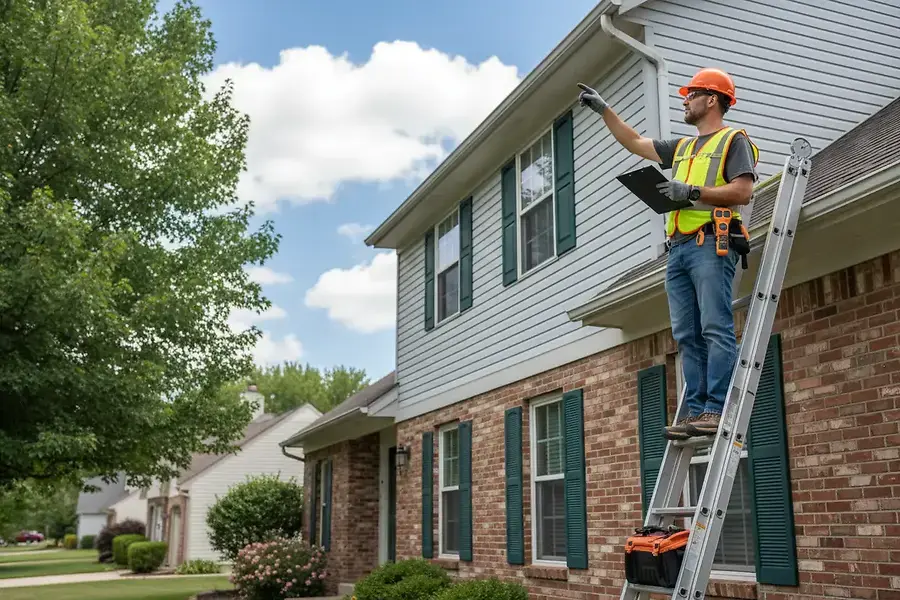
Why Home Inspections Matter in Mentor's Real Estate Market
Purchasing a home is one of the most significant financial decisions you'll make in your lifetime. In Mentor, Ohio's competitive real estate market, a thorough home inspection is your best defense against costly surprises after closing. A professional inspection provides an objective assessment of a property's condition, helping you understand exactly what you're investing in.
Many buyers in Mentor overlook the importance of inspections or rush through the process to secure a deal quickly. However, skipping this critical step can lead to unexpected repairs, safety hazards, and diminished property value. An experienced home inspector will examine every major system and component of the house, giving you the knowledge needed to negotiate repairs, request credits, or walk away if necessary.
The inspection period is your opportunity to uncover hidden problems before they become your responsibility. Whether you're a first-time buyer or an experienced investor, understanding what to look for during a home inspection is essential for protecting your investment in Mentor.
Essential Systems to Evaluate
Roof and Exterior
The roof is one of the most expensive components to replace, making it a critical area of focus during your inspection. Look for missing or damaged shingles, signs of leaking, and the overall age of the roof. In Mentor's climate, where weather can be harsh, check for proper drainage and ensure gutters are functioning correctly.
Examine the exterior walls for cracks, water damage, and proper siding condition. Pay special attention to areas around windows and doors where water infiltration commonly occurs.
Foundation and Structural Integrity
A solid foundation is the backbone of any home. During your inspection, look for:
- Visible cracks in the foundation or basement walls
- Signs of water damage or moisture in the basement
- Uneven floors or doors that don't close properly
- Evidence of previous foundation repairs
Mentor homes built on clay soil may be more susceptible to foundation issues. Ask your inspector about the soil composition and any history of foundation problems in the neighborhood.
Plumbing Systems
Water damage from plumbing failures can be devastating and expensive to repair. Your inspector should check:
- Water pressure and flow rates throughout the home
- The age and condition of pipes (galvanized, copper, or PVC)
- Signs of leaks under sinks and around toilets
- The functionality of the water heater
- Proper drainage in all fixtures
Older homes in Mentor may have outdated plumbing that requires updating. Understanding the condition of these systems helps you budget for future replacements.
Electrical Systems
Safety is paramount when evaluating electrical systems. Your inspector will examine:
- The main electrical panel and circuit breaker condition
- Adequate grounding and proper wiring throughout the home
- The presence of GFCI outlets in bathrooms and kitchens
- Any outdated or unsafe wiring configurations
- The overall capacity to handle modern electrical demands
Homes with outdated electrical systems may need upgrades to safely support today's technology and appliances.
Red Flags and Problem Areas Specific to Mentor Homes
Water Intrusion and Moisture Issues
Mentor's proximity to Lake Erie and its humid climate make water intrusion a common concern. Be vigilant about:
- Basement dampness or active water seepage
- Mold or mildew in crawl spaces and attics
- Poor grading around the foundation directing water toward the home
- Inadequate sump pump systems or battery backup
These issues can lead to significant health and structural problems if left unaddressed.
HVAC System Condition
Heating and cooling systems are essential in Ohio's variable climate. Inspect the age and efficiency of the furnace and air conditioning unit. Older systems may be less efficient and require replacement soon after purchase.
Attic and Insulation
Proper insulation and ventilation are crucial for energy efficiency and preventing moisture problems. Check for adequate insulation levels, proper ventilation, and any signs of pest damage or previous leaks.
Asbestos and Lead Paint
Homes built before the 1980s may contain asbestos in insulation, floor tiles, or roofing materials. Properties built before 1978 may have lead-based paint. While these materials aren't always dangerous if undisturbed, it's important to know about their presence for future renovations.
Conclusion: Using Inspection Results to Make Confident Offers
Once you receive your inspection report, take time to review it thoroughly and discuss findings with your real estate agent and inspector. Not every issue requires renegotiation—focus on major systems and safety concerns.
Use the inspection results strategically:
- Request repairs: Ask the seller to fix significant issues before closing
- Negotiate credits: Request a credit toward closing costs for repairs you'll handle
- Adjust your offer: Factor repair costs into your final purchase price
- Walk away: If major issues exceed your budget or comfort level, it's acceptable to withdraw
A comprehensive home inspection is an investment in your peace of mind and financial security. By understanding what to look for and how to interpret the results, you'll make confident decisions in Mentor's real estate market. Remember, the goal isn't to find a perfect home—it's to find one that's right for you, with no hidden surprises.