Your Guide to Choosing the Right Greater Boston Neighborhood
Discover which Boston-area neighborhoods align best with your lifestyle, budget, and family needs.

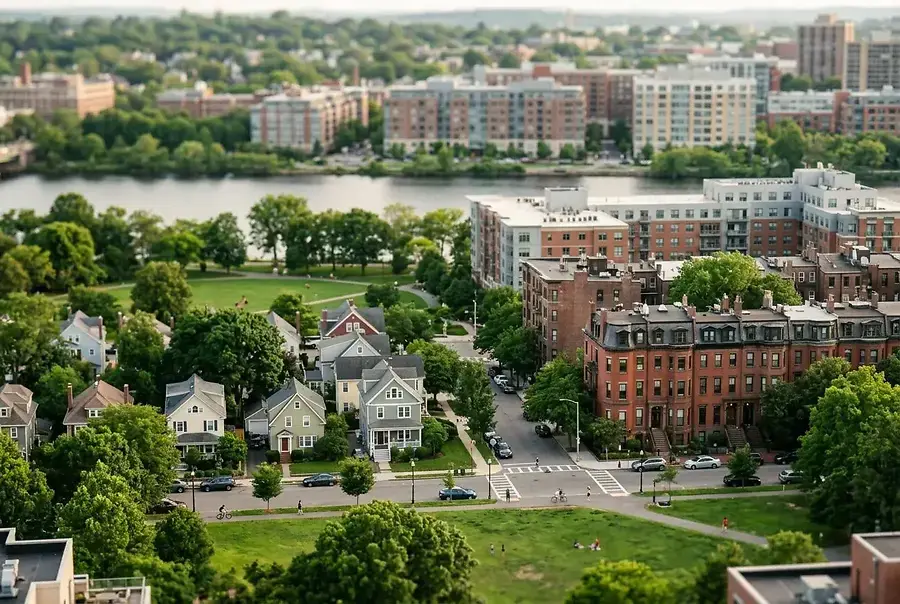
Navigating 18 Distinct Greater Boston Communities
Choosing where to live in the Greater Boston area is one of the most important decisions you'll make. With 18 distinct neighborhoods spanning from the urban core to suburban communities, each area offers unique characteristics, price points, and lifestyles. Whether you're a young professional seeking vibrant nightlife, a growing family prioritizing excellent schools, or someone looking for a quiet retreat with easy city access, Greater Boston has a neighborhood tailored to your needs.
The region's diversity extends beyond geography—it encompasses cultural heritage, architectural styles, and community values. Understanding what each neighborhood offers will help you make an informed decision that aligns with your priorities and long-term goals.
Comparing Neighborhoods by Lifestyle and Demographics Across the Region
Urban and Trendy Communities
If you thrive in bustling, walkable environments with diverse dining and entertainment options, neighborhoods like Back Bay, Beacon Hill, and Cambridge deliver urban sophistication. These areas attract young professionals and creative types who value proximity to cultural institutions, independent shops, and vibrant nightlife. Expect higher price points but unmatched convenience and energy.
The South End and Jamaica Plain offer similar urban appeal with a more eclectic, artistic vibe. These neighborhoods feature:
- Excellent public transportation access
- Diverse, multicultural populations
- Independent restaurants and boutiques
- Strong community engagement and local events
Family-Friendly Suburban Areas
Families often gravitate toward neighborhoods like Newton, Brookline, and Wellesley, which balance suburban tranquility with urban accessibility. These communities are known for:
- Top-rated public school systems
- Spacious homes with yards
- Parks, playgrounds, and recreational facilities
- Strong sense of community and neighborhood events
These areas typically command premium prices but offer excellent long-term value for families prioritizing education and safety.
Emerging and Affordable Neighborhoods
For budget-conscious residents, neighborhoods like Somerville, Medford, and Malden provide excellent value without sacrificing quality of life. These areas are experiencing revitalization with new restaurants, shops, and cultural venues while maintaining more affordable housing costs. They appeal to first-time homebuyers and those seeking authentic, up-and-coming communities.
Quiet, Residential Communities
If you prefer peaceful surroundings with a slower pace, consider Lexington, Winchester, or Waltham. These neighborhoods offer:
- Lower population density
- Beautiful natural landscapes and trails
- Strong community bonds
- Good schools and family-oriented amenities
Evaluating Schools, Commute Times, and Local Amenities in Each Area
School Quality and Educational Resources
School systems vary significantly across Greater Boston. Brookline, Newton, and Wellesley consistently rank among the nation's best public school systems, making them attractive to families with children. However, excellent schools exist throughout the region—research specific districts and schools rather than making assumptions based on neighborhood reputation alone.
Pro tip: Visit school websites, review standardized test scores, and attend school open houses to get a genuine sense of educational quality and school culture.
Commute Considerations
Your daily commute significantly impacts quality of life. Consider these factors:
- Public Transportation: Neighborhoods along the Red, Blue, and Orange Lines offer excellent MBTA access. Cambridge and Somerville provide direct subway connections to downtown Boston.
- Driving: If you drive, evaluate proximity to major highways (I-93, I-95, Route 128) and typical traffic patterns during rush hours.
- Biking and Walking: Many neighborhoods offer bike-friendly infrastructure and pedestrian-accessible workplaces.
A 45-minute commute daily equals over 150 hours annually—choosing a neighborhood with reasonable commute times pays dividends in stress reduction and personal time.
Local Amenities and Recreation
Quality of life extends beyond housing and schools. Evaluate what each neighborhood offers:
- Parks and Green Space: Boston Common, Emerald Necklace parks, and neighborhood playgrounds provide outdoor recreation.
- Shopping and Dining: From independent cafes to upscale restaurants, neighborhood character often reflects dining and retail options.
- Cultural Institutions: Museums, theaters, and galleries cluster in certain areas, particularly Cambridge and Back Bay.
- Healthcare Facilities: Proximity to hospitals and medical centers matters, especially for families and older adults.
- Community Centers: YMCAs, recreation departments, and community organizations offer classes, fitness, and social opportunities.
Housing Market and Affordability
Greater Boston's housing market varies dramatically by neighborhood. Urban core neighborhoods command premium prices, while emerging areas offer better value. Consider:
- Median home prices and rental rates
- Property tax rates and municipal services
- Long-term appreciation potential
- Rental market strength if you're leasing
Research shows that neighborhoods experiencing revitalization often offer the best value for buyers willing to invest in emerging communities.
Finding Your Perfect Boston-Area Neighborhood Match
Selecting a Greater Boston neighborhood requires balancing multiple factors: lifestyle preferences, financial constraints, family needs, and career considerations. Start by identifying your non-negotiables—perhaps excellent schools, short commute, or vibrant urban environment—then research neighborhoods matching those criteria.
Visit potential neighborhoods at different times of day and on weekends. Walk the streets, visit local coffee shops, and chat with residents. This firsthand experience often reveals details that online research cannot capture.
Remember that neighborhoods evolve. An area you dismissed five years ago may now offer excellent amenities and value. Similarly, popular neighborhoods may become increasingly crowded or expensive. Stay flexible and open-minded as you explore your options.
Greater Boston's diversity means there truly is a neighborhood for everyone. By thoughtfully evaluating your priorities and thoroughly researching your options, you'll find a community where you can build a fulfilling life. Your perfect Boston-area neighborhood awaits—take time to discover it.