Zoning Laws and Commercial Development in Wendell and Wilmington NC
Master the zoning regulations that determine success for commercial real estate investments in these two thriving North Carolina markets.

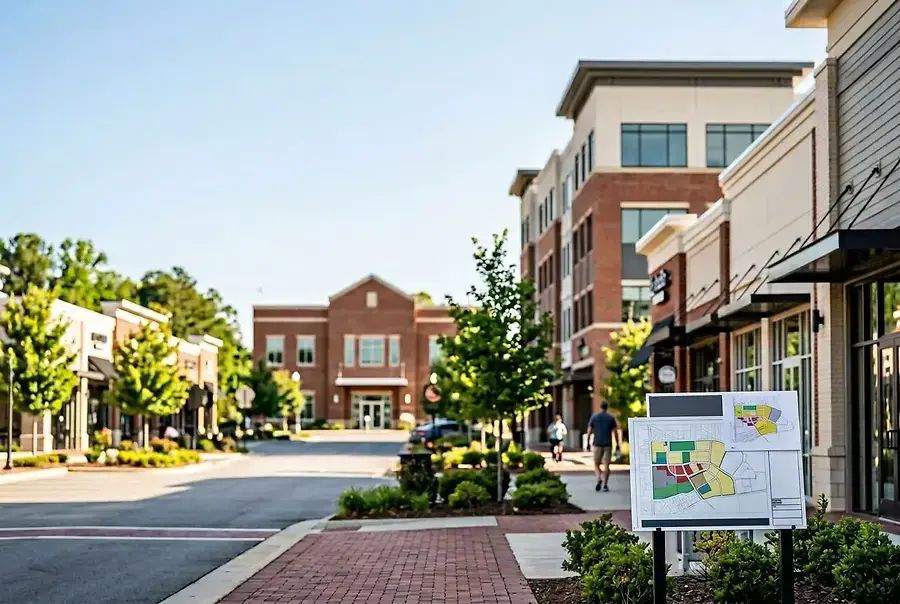
Understanding NC Zoning Classifications for Commercial Use
Zoning regulations form the backbone of commercial real estate development in North Carolina. Both Wendell and Wilmington operate under specific zoning classifications that determine what types of businesses can operate in designated areas. Understanding these classifications is essential for any investor or developer looking to succeed in these markets.
North Carolina's commercial zoning typically falls into several categories, including General Commercial (C-1), Highway Commercial (C-2), and Central Business District (CBD) zones. Each classification serves a distinct purpose and comes with its own set of regulations regarding building height, setbacks, parking requirements, and permitted uses.
Wendell's Commercial Zoning Framework
Wendell, a rapidly growing suburb of Raleigh, has developed a strategic zoning approach to accommodate its expanding population. The town features several commercial corridors, particularly along US Highway 64 and in the downtown core. These areas are designated for retail, office, and service-oriented businesses that cater to both local residents and regional customers.
- Downtown Commercial Zone: Supports mixed-use development with retail on ground floors and residential or office space above
- Highway Commercial Zone: Designed for larger retail operations, restaurants, and service businesses with high visibility
- Office Park Zone: Accommodates professional offices, medical facilities, and light industrial uses
Wilmington's Coastal Commercial Zoning
Wilmington presents a unique zoning landscape shaped by its coastal location and historic downtown district. The city balances preservation of its historic character with modern commercial development. Waterfront zones have special regulations to protect the Cape Fear River and maintain public access to the water.
- Historic District Commercial: Strict guidelines for architectural compatibility and facade preservation
- Waterfront Commercial: Special provisions for maritime businesses, tourism, and recreational uses
- General Commercial: Standard commercial uses in suburban areas with modern development standards
How Zoning Impacts Property Value and Development Potential
Zoning classifications directly influence property values and the potential return on investment. A property zoned for commercial use in a high-demand area will command significantly higher prices than similar land zoned for residential purposes. Understanding this relationship is crucial for making informed investment decisions.
Value Enhancement Through Strategic Zoning
Properties located in well-positioned commercial zones benefit from several advantages. High-traffic corridors in both Wendell and Wilmington attract businesses willing to pay premium rents. Properties near major intersections, shopping centers, or business parks typically appreciate faster than those in less accessible locations.
The type of zoning also affects development potential. A parcel zoned for mixed-use development offers more flexibility and potentially higher profit margins than single-use zoning. Developers can create vibrant communities that attract diverse tenants and customers, maximizing the property's earning potential.
Zoning Restrictions and Their Financial Implications
Conversely, restrictive zoning can limit a property's value and development options. Properties in historic districts, for example, face strict architectural requirements that increase construction costs. Environmental zoning restrictions near wetlands or sensitive habitats may prohibit development entirely or require expensive mitigation measures.
Smart investors analyze zoning restrictions before purchasing property, ensuring their intended use aligns with local regulations and won't face costly challenges during development.
Both Wendell and Wilmington have experienced significant appreciation in commercially-zoned properties due to population growth and economic development. Investors who understand these zoning dynamics can identify undervalued properties with strong development potential.
Working with Local Zoning Boards and Approval Processes
Successfully navigating the zoning approval process requires knowledge of local procedures and effective communication with municipal authorities. Both Wendell and Wilmington have established zoning boards and planning departments that oversee development applications.
The Zoning Variance and Conditional Use Process
If your intended use doesn't align perfectly with existing zoning, you may need to request a zoning variance or conditional use permit. This process involves submitting detailed applications, attending public hearings, and demonstrating that your project meets specific criteria.
- Prepare comprehensive site plans and architectural renderings
- Document how your project benefits the community
- Address potential concerns from neighboring properties
- Demonstrate compliance with comprehensive plans and design guidelines
Working Effectively with Planning Departments
Building positive relationships with local planning staff accelerates the approval process. Both Wendell and Wilmington planning departments offer pre-application meetings where developers can discuss projects informally before formal submission. These meetings help identify potential issues early and streamline the approval timeline.
Hiring experienced local consultants, including land use attorneys and planning professionals, significantly improves approval odds. These experts understand the nuances of local regulations and have established relationships with decision-makers.
Public Hearings and Community Engagement
Most significant commercial projects require public hearings before the zoning board or city council. Community engagement is essential during this phase. Projects that address neighborhood concerns and demonstrate positive community impact face fewer objections and faster approvals.
Successful developers in both markets invest time in understanding neighborhood dynamics and addressing legitimate concerns about traffic, parking, and aesthetic compatibility. This proactive approach builds goodwill and reduces the risk of project delays.
Conclusion: Making Informed Commercial Real Estate Decisions
Zoning laws represent both opportunities and constraints in commercial real estate development. In Wendell and Wilmington, understanding local zoning classifications, their impact on property values, and the approval processes is fundamental to investment success.
Before committing capital to any commercial property, conduct thorough due diligence on zoning regulations. Verify that your intended use aligns with current zoning, research the likelihood of obtaining necessary variances, and assess how zoning may evolve as communities grow. Engage local experts who understand these markets and can guide you through the regulatory landscape.
The most successful commercial real estate investors in Wendell and Wilmington are those who view zoning not as an obstacle, but as a framework for identifying strategic opportunities. By mastering these regulations, you position yourself to make informed decisions that maximize returns and contribute positively to these vibrant North Carolina communities.