Zoning Laws and Mixed-Use Development Opportunities in Orlando
Master the regulations and unlock profitable residential-commercial project potential in Florida's fastest-growing market.

Understanding Orlando's Zoning Classification System
Orlando's zoning framework is designed to balance growth with community development, creating distinct zones that serve different purposes across the city. The classification system includes residential, commercial, industrial, and mixed-use categories, each with specific regulations governing land use, building heights, density, and setback requirements.
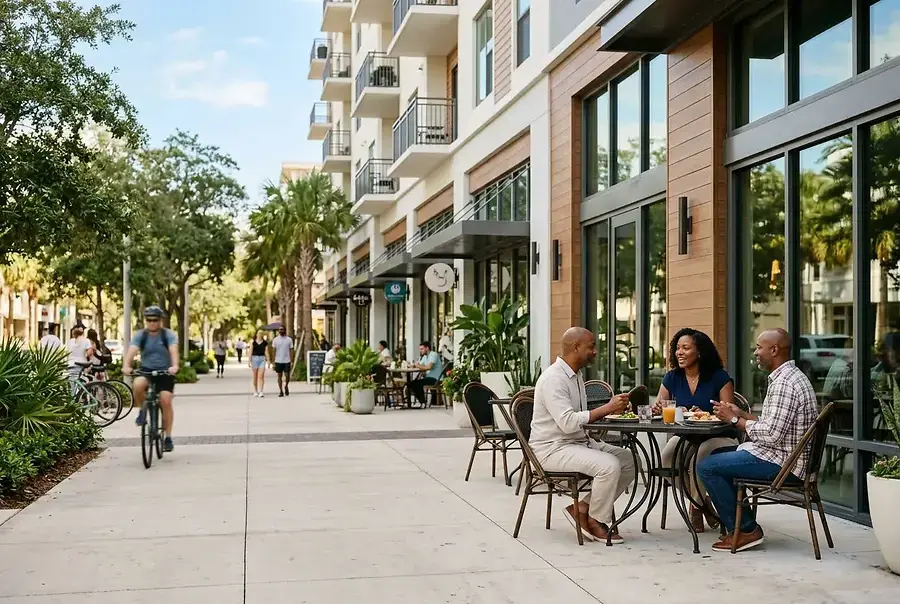
The city operates under a comprehensive plan that encourages development in strategic corridors while protecting established neighborhoods. Mixed-use zoning districts have become increasingly popular, allowing developers to combine residential units with retail, office, and entertainment spaces in single projects. This approach maximizes land efficiency and creates vibrant, walkable communities that appeal to modern residents and businesses alike.
Understanding the nuances of each zoning classification is critical for developers. Orlando's primary zones include:
- Residential Low Density (RL): Single-family homes and small-scale residential development
- Residential Medium Density (RM): Multi-family apartments and townhomes
- Residential High Density (RH): High-rise apartments and condominiums
- Commercial General (CG): Retail, offices, and service businesses
- Mixed-Use Urban (MU): Integrated residential and commercial development
Key Regulations for Mixed-Use Development Projects
Density and Height Requirements
Mixed-use projects in Orlando must comply with specific density and height regulations that vary by district. Floor Area Ratio (FAR) limits determine how much building space can be constructed relative to the lot size. In downtown Orlando and designated urban centers, FAR limits are more generous, often ranging from 3.0 to 5.0, while suburban mixed-use zones typically cap out at 2.0 to 3.0.
Height restrictions also play a crucial role in project planning. Downtown areas allow structures up to 400 feet or higher with proper approvals, while suburban mixed-use zones typically limit heights to 85-120 feet. Understanding these parameters early in the development process prevents costly redesigns and delays.
Parking and Transportation Standards
Parking requirements significantly impact project feasibility and costs. Orlando's code requires approximately 1 space per 300 square feet of commercial space and 1 space per residential unit, though mixed-use projects may qualify for reduced ratios due to shared parking opportunities. Transit-oriented development near bus routes or future transit corridors can negotiate lower parking minimums, reducing construction costs and increasing profitability.
The city encourages alternative transportation solutions, including bike lanes, pedestrian pathways, and connections to public transit. Projects demonstrating commitment to walkability and reduced vehicle dependency often receive favorable consideration during the approval process.
Setback and Streetscape Requirements
Mixed-use developments must meet specific setback requirements that define the distance between buildings and property lines. Ground-floor commercial spaces typically require minimal setbacks to create active streetscapes, while upper-level residential units may have more flexibility. Streetscape improvements—including landscaping, street furniture, and pedestrian amenities—are mandatory and enhance project appeal while supporting community goals.
Common Zoning Challenges and Solutions
Navigating Conditional Use Permits
Some mixed-use projects require Conditional Use Permits (CUPs) when proposed uses don't align perfectly with zoning designations. While CUPs add time and complexity, they're often achievable with proper documentation demonstrating community benefits and mitigation of potential impacts.
Success requires:
- Comprehensive traffic impact studies
- Community engagement and support letters
- Detailed operational plans addressing potential concerns
- Professional representation before the planning board
Addressing Compatibility Issues
Mixed-use projects in transitional areas sometimes face opposition from adjacent residential neighborhoods concerned about noise, traffic, and character changes. Thoughtful design that respects neighborhood context—including appropriate building scales, buffer zones, and architectural compatibility—can transform potential conflicts into community assets.
Engaging neighbors early in the planning process, addressing legitimate concerns, and demonstrating long-term community benefits significantly improve approval odds and project success.
Managing Variance Requirements
When projects cannot meet standard zoning requirements, developers may request variances for setbacks, height, or parking. Variances require demonstrating hardship and that the project won't negatively impact surrounding properties. While challenging, successful variance applications are possible with strong evidence and professional advocacy.
Moving Forward: Next Steps for Your Property Development
Conduct Thorough Due Diligence
Before investing in a property, conduct comprehensive zoning analysis including:
- Current zoning designation and permitted uses
- Applicable overlay districts and special regulations
- Future land use map designations
- Nearby zoning and development patterns
- Infrastructure capacity and availability
Engage Professional Expertise
Zoning consultants, land use attorneys, and experienced developers provide invaluable guidance navigating Orlando's regulatory landscape. Their expertise accelerates the approval process, identifies creative solutions, and protects your investment from costly mistakes.
Develop a Strategic Timeline
Mixed-use projects typically require 12-24 months from initial concept to construction commencement, depending on complexity. Building realistic timelines that account for planning review, public hearings, and potential revisions ensures smooth project execution and investor confidence.
Orlando's zoning regulations, while complex, create tremendous opportunities for developers who understand the system. Mixed-use development represents the future of urban growth in Florida's fastest-growing market. By mastering zoning requirements, engaging stakeholders, and partnering with experienced professionals, developers can unlock significant value while contributing to Orlando's vibrant, sustainable future.
The key to successful mixed-use development in Orlando is understanding that zoning regulations aren't obstacles—they're frameworks for creating thriving communities that benefit residents, businesses, and the city alike.


