Zoning Laws and Property Development in Birmingham, MI Real Estate
Essential regulations every residential and commercial property owner must understand.

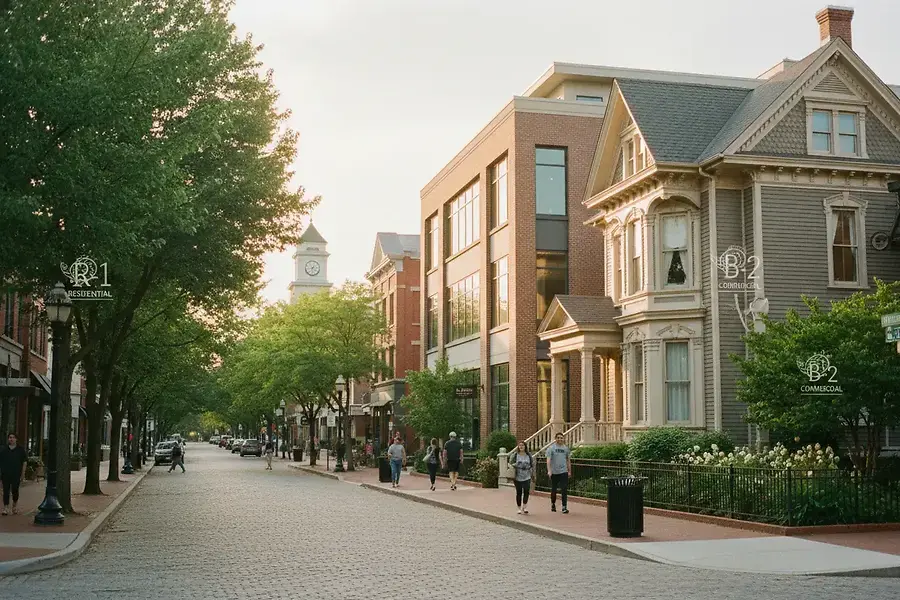
Understanding Birmingham's Zoning Classifications and What They Mean for Your Property
Birmingham, Michigan maintains a carefully structured zoning system designed to balance community growth with neighborhood preservation. The city's zoning classifications determine how your property can be used, what structures you can build, and what activities are permitted on your land. Understanding these classifications is the first step toward successful property development.
The primary zoning districts in Birmingham include:
- Residential Zones (R-1, R-2, R-3): These designations range from low-density single-family neighborhoods to higher-density multi-family residential areas. Each classification specifies lot sizes, setback requirements, and building heights.
- Commercial Zones (C-1, C-2): These areas support retail, office, and service businesses with varying intensity levels and parking requirements.
- Industrial Zones (I-1, I-2): Reserved for manufacturing, warehousing, and heavy industrial operations with specific environmental and operational standards.
- Mixed-Use Zones: These progressive designations allow for a blend of residential and commercial uses, promoting vibrant, walkable communities.
Each zoning classification comes with specific regulations regarding setbacks, lot coverage, building height, and use restrictions. Before purchasing property or planning development, verify your property's zoning designation through the Birmingham Planning Department or the city's online zoning map.
How Zoning Laws Impact Residential Development and Home Modifications
Understanding Residential Zoning Restrictions
If you own residential property in Birmingham, zoning laws directly affect what you can build and how you can modify your home. Residential zones typically prohibit commercial activities, rental operations beyond single-family use, and structures that exceed specified height limits. Most R-1 zones require minimum lot sizes of one-half acre or more, while R-2 and R-3 zones accommodate smaller lots for townhomes and apartments.
Home Modifications and Additions
Planning a home addition, deck, or accessory structure? Zoning laws regulate:
- Maximum building height and roof pitch requirements
- Setback distances from property lines (typically 25-50 feet from front, 10-15 feet from sides)
- Lot coverage percentages (the portion of your lot that can be built upon)
- Parking requirements for certain uses
- Accessory structure limitations (sheds, garages, pools)
Variance requests are available when strict compliance with zoning requirements creates undue hardship. However, variances require approval from the Zoning Board of Appeals and must meet specific legal criteria. Many homeowners successfully modify their properties by working within zoning parameters rather than seeking variances.
Rental Property Considerations
If you're considering renting out your residential property, verify that your zoning allows this use. Some Birmingham residential zones restrict rentals or require special permits. Multi-family rental operations may face additional licensing and operational requirements beyond standard zoning compliance.
Commercial Zoning Requirements: Permits, Compliance, and Growth Opportunities
Commercial Zoning Fundamentals
Birmingham's commercial zones support diverse business activities while maintaining community character. Commercial zoning classifications typically include specific use permissions, parking ratios, and design standards. A property zoned C-1 might support retail and office uses but prohibit heavy manufacturing or adult-oriented businesses.
Permits and Compliance Processes
Developing commercial property in Birmingham requires multiple permits and approvals:
- Zoning Compliance Certificate: Confirms your proposed use complies with zoning regulations
- Site Plan Review: Evaluates building design, parking, landscaping, and traffic flow
- Building Permits: Required before construction begins
- Special Land Use Permits: Necessary for certain uses that require additional review (restaurants, medical offices, etc.)
- Environmental Reviews: May be required depending on property history and proposed use
The approval timeline typically ranges from 30 to 90 days, depending on project complexity. Submitting complete applications with professional site plans and engineering documentation accelerates the review process.
Growth Opportunities and Mixed-Use Development
Birmingham increasingly encourages mixed-use development that combines residential, retail, and office spaces. These projects create vibrant communities and often receive expedited review processes. If you own commercial property, exploring mixed-use potential could significantly increase property value and development opportunities.
Overlay districts in downtown Birmingham and along key corridors provide additional flexibility for developers willing to meet specific design and sustainability standards. These areas often allow greater density and varied uses than standard zoning would permit.
Working with Local Zoning Boards: Your Path to Successful Property Development
The Zoning Board of Appeals
The Zoning Board of Appeals (ZBA) hears requests for variances, appeals of zoning decisions, and special land use permits. If your project cannot comply with standard zoning requirements, the ZBA may grant relief if you demonstrate:
- Practical difficulty or unnecessary hardship in complying with zoning regulations
- That the variance is not contrary to the public interest
- That granting the variance maintains the spirit and intent of the zoning ordinance
Successful variance applications require thorough documentation, professional presentations, and often legal representation. Prepare detailed site plans, photographs, and written statements explaining why standard compliance is impractical.
Planning Commission Engagement
The Planning Commission reviews site plans, special land use permits, and zoning amendments. Engaging with commissioners early in your project development can identify potential issues and streamline the approval process. Attend public meetings, understand commission priorities, and demonstrate how your project aligns with the city's comprehensive plan.
Professional Guidance and Resources
Working with experienced professionals is invaluable. Real estate attorneys, professional planners, and engineers familiar with Birmingham's zoning system can:
- Conduct thorough zoning analysis before property purchase
- Prepare variance applications and appeals
- Navigate the site plan review process
- Identify alternative development approaches that comply with zoning
- Represent your interests at board meetings
The Birmingham Planning Department staff also provides free guidance on zoning questions and can clarify regulations before you invest in professional services.
Building Community Support
For projects requiring variances or special permits, community support significantly influences board decisions. Engage neighbors early, address concerns, and demonstrate how your project benefits the community. Projects that generate neighborhood opposition face longer timelines and higher rejection rates.
Success in Birmingham real estate development depends on understanding zoning regulations, preparing thorough applications, and working collaboratively with city officials and neighbors. By respecting these frameworks, property owners can achieve their development goals while contributing to a well-planned, thriving community.


