Zoning Laws and Regulations for Mixed-Use Properties in Nevada
A practical guide to understanding residential-commercial zoning regulations across Las Vegas, Honolulu, and surrounding Nevada markets.

Understanding Nevada's Zoning Classifications for Mixed-Use Properties
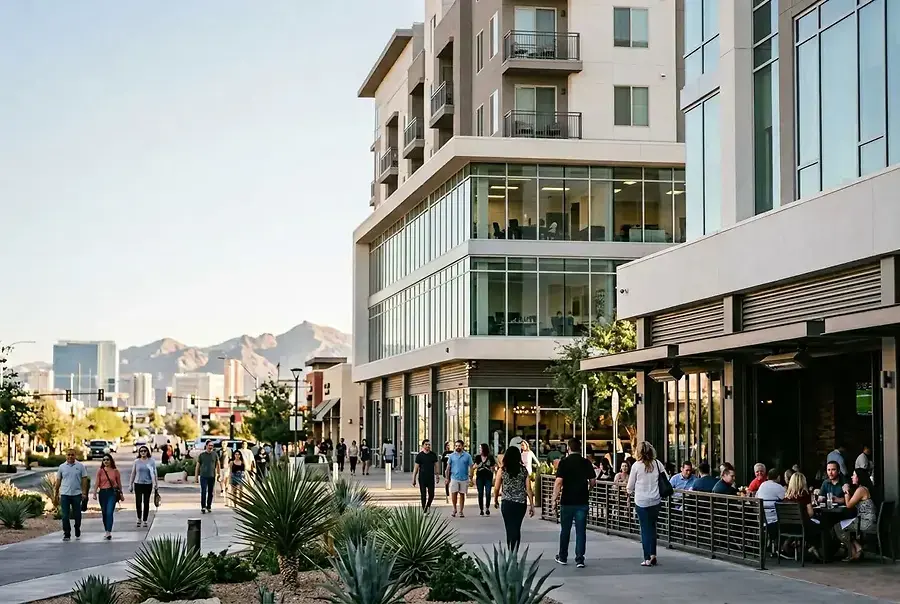
Nevada's zoning framework for mixed-use properties represents a complex but navigable landscape for real estate investors and developers. Mixed-use properties combine residential and commercial elements within a single development, creating vibrant communities that blend living spaces with retail, office, and entertainment venues. Understanding how Nevada classifies these properties is essential for anyone looking to invest or develop in the state.
Nevada's zoning system is primarily governed at the local level, with each municipality maintaining its own zoning codes and regulations. The state provides overarching guidelines, but cities like Las Vegas, Henderson, and Pahrump have significant autonomy in determining how mixed-use properties are classified and regulated. Generally, mixed-use zoning falls into categories such as Mixed-Use Commercial (MUC), Mixed-Use Residential (MUR), and Downtown Mixed-Use (DMU), each with distinct requirements and allowances.
Key characteristics of Nevada's mixed-use classifications include:
- Minimum and maximum residential unit density requirements
- Permitted commercial uses and floor area ratios (FAR)
- Parking requirements for both residential and commercial components
- Setback and height restrictions
- Open space and pedestrian access requirements
Before purchasing or developing a mixed-use property, it's crucial to obtain a detailed zoning verification letter from the local planning department. This document confirms the property's current zoning classification and any applicable overlays or restrictions.
Key Zoning Differences Between Las Vegas, Pahrump, Henderson, and Summerlin
Las Vegas
Las Vegas maintains one of the most progressive mixed-use zoning frameworks in Nevada. The city encourages mixed-use development, particularly in downtown areas and along major corridors. Las Vegas's zoning code allows for higher density residential units combined with commercial spaces, making it ideal for urban investors. The city's Downtown Project and Arts District exemplify how mixed-use zoning can revitalize neighborhoods.
Las Vegas requires developers to meet specific parking ratios: typically 1 space per residential unit plus additional spaces for commercial tenants. Height restrictions vary by zone but can reach 12+ stories in designated areas. The city also emphasizes walkability and public spaces in mixed-use developments.
Henderson
Henderson takes a more conservative approach to mixed-use zoning compared to Las Vegas. The city focuses on planned communities with carefully controlled mixed-use developments. Henderson's zoning code emphasizes residential quality and community character, which can mean stricter commercial restrictions within mixed-use zones.
Mixed-use properties in Henderson typically require higher architectural standards and more extensive landscaping requirements. The city also maintains stricter noise and operational hour restrictions for commercial components, particularly in residential-heavy mixed-use zones. This approach appeals to investors seeking family-oriented communities.
Pahrump
Pahrump's zoning regulations for mixed-use properties are less restrictive than Las Vegas or Henderson, reflecting the town's more rural character. The city allows for larger lot sizes and lower density requirements, making it suitable for investors seeking more spacious mixed-use developments. Pahrump's regulations are also more flexible regarding commercial uses within mixed-use zones.
However, Pahrump's smaller market size means fewer development incentives and potentially longer approval timelines. The town's planning department is less experienced with complex mixed-use projects, which can require additional patience during the approval process.
Summerlin
Summerlin operates under a master-planned community framework with its own design guidelines and zoning overlays. This planned community approach means mixed-use properties must comply with both Clark County zoning and Summerlin's proprietary design standards. Summerlin's mixed-use zones are highly curated, with strict architectural requirements and brand control.
Developers in Summerlin benefit from established infrastructure and a strong market reputation, but must navigate additional approval layers through the Summerlin master developer. Mixed-use projects here typically command premium pricing due to the community's prestige and carefully maintained aesthetic standards.
Common Zoning Challenges and How to Overcome Them
Parking Requirements
One of the most significant challenges in mixed-use development is meeting parking requirements. Nevada municipalities often mandate substantial parking ratios that can consume valuable development space. Solutions include structured parking, shared parking agreements between residential and commercial tenants, and parking reduction incentives for transit-oriented developments.
Use Conflicts
Balancing residential and commercial uses can create conflicts regarding noise, hours of operation, and traffic patterns. Successful mixed-use developments employ strategic design—separating residential entries from commercial areas, implementing soundproofing, and establishing clear operational guidelines. Working with experienced architects familiar with Nevada's mixed-use standards is invaluable.
Approval Timeline Delays
Mixed-use projects often face extended approval timelines due to their complexity. To expedite the process, engage with planning departments early, conduct thorough pre-application meetings, and ensure all documentation is complete before formal submission. Hiring local consultants who understand municipal preferences can significantly reduce delays.
Density and Height Restrictions
Some areas impose strict density caps or height limitations that can impact project feasibility.
Investigate whether your property qualifies for density bonuses or height variances, particularly if your project includes affordable housing or other community benefits.Many Nevada municipalities offer incentives for projects that meet specific public interest criteria.
Final Thoughts: Making Informed Investment Decisions
Investing in Nevada's mixed-use properties requires thorough due diligence and understanding of local zoning regulations. Each market—Las Vegas, Henderson, Pahrump, and Summerlin—offers distinct opportunities and challenges. Success depends on selecting the right location for your investment goals and understanding the specific zoning framework governing that area.
Before committing capital, investors should:
- Obtain comprehensive zoning verification letters
- Consult with local real estate attorneys specializing in zoning
- Review recent comparable mixed-use projects in the target market
- Engage with planning departments to understand approval timelines
- Consider hiring experienced development consultants
Nevada's mixed-use property market continues to evolve, with municipalities increasingly recognizing the value of vibrant, walkable communities. By understanding zoning classifications, appreciating regional differences, and proactively addressing common challenges, investors can successfully navigate this dynamic market and create profitable, community-enhancing developments.