Zoning Regulations Impact on South Jordan Commercial Development
Navigate local zoning laws to unlock profitable commercial real estate opportunities in South Jordan.

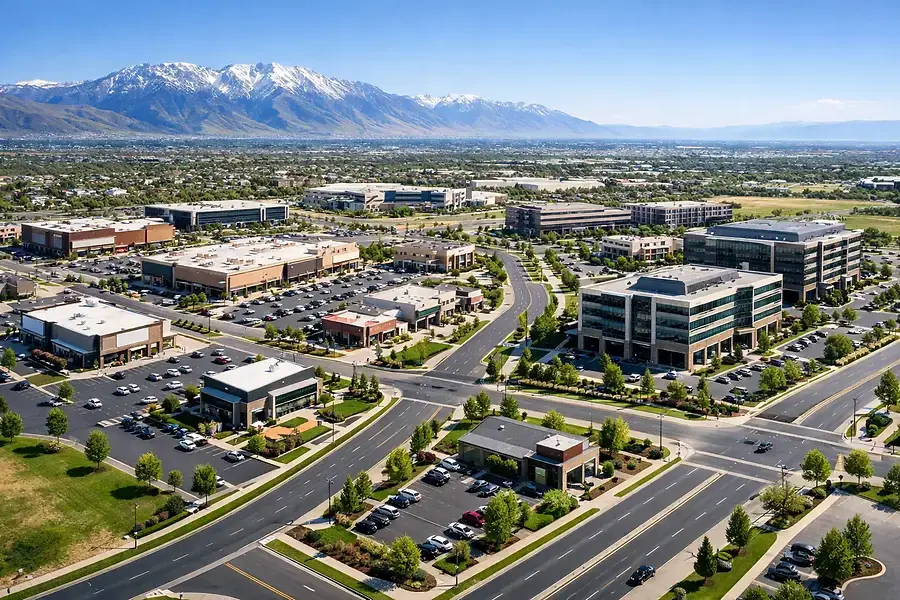
Introduction: Understanding South Jordan's Zoning Landscape
South Jordan, Utah has emerged as a thriving commercial hub in the Salt Lake Valley, attracting investors and businesses seeking growth opportunities. However, success in this competitive market requires a deep understanding of local zoning regulations that govern how land can be developed and used. Zoning laws are the foundation of any commercial real estate strategy, determining what types of businesses can operate in specific areas and influencing property values significantly.
The city's zoning framework has been carefully designed to balance economic growth with community preservation. For commercial investors, navigating these regulations is not just a legal requirement—it's a strategic advantage. Properties that align perfectly with zoning designations command higher values and attract quality tenants more easily.
How Zoning Classifications Affect Commercial Property Value and Use
Understanding Zoning Categories
South Jordan's zoning system categorizes commercial properties into several distinct classifications, each with specific permitted uses and restrictions. These classifications directly impact what you can build, lease, or develop on a property.
- General Commercial (C-1): Allows retail stores, restaurants, offices, and service businesses. This is the most flexible category for traditional commercial operations.
- Highway Commercial (C-2): Designed for businesses that benefit from high visibility and traffic, including auto dealerships, gas stations, and large retail establishments.
- Mixed-Use Development: Permits a combination of residential and commercial spaces, creating vibrant communities with diverse revenue streams.
- Office and Professional (O-1): Restricted to office spaces, professional services, and administrative functions.
- Industrial and Manufacturing (M-1): Designated for light manufacturing, warehousing, and distribution centers.
Property Value Implications
The zoning classification of a property directly correlates with its market value and income potential. Properties in high-demand commercial zones typically command premium prices because they offer greater flexibility for tenant placement and business operations. A C-1 property near major intersections or shopping centers will generally appreciate faster than one in a restricted zone.
Conversely, properties with restrictive zoning may offer lower acquisition costs but come with limited development potential. Savvy investors analyze zoning maps carefully to identify undervalued properties that could benefit from zoning amendments or variance requests.
Use Restrictions and Conditional Permits
Not all permitted uses are automatically allowed. South Jordan requires conditional use permits for certain businesses that may impact surrounding areas, such as:
- Entertainment venues and nightclubs
- Alcohol sales establishments
- Adult-oriented businesses
- Large-scale commercial operations
- Outdoor storage facilities
Understanding these restrictions prevents costly mistakes and delays in your development timeline.
Key Zoning Considerations for Commercial Investors in South Jordan
Setback Requirements and Building Limitations
Zoning ordinances specify how far buildings must be set back from property lines, streets, and neighboring properties. These setback requirements affect the usable square footage and building footprint, directly impacting your project's profitability. A property that appears spacious on paper may have significant setback constraints that reduce developable area.
Height restrictions also vary by zone. Commercial zones typically allow 35-65 feet, while some areas permit taller structures. Always verify these limitations before purchasing property or planning construction.
Parking and Access Requirements
South Jordan enforces strict parking ratios depending on the business type. Retail establishments typically require one space per 250 square feet, while offices need one space per 300 square feet. Inadequate parking can make a property unmarketable, so calculate these requirements early in your analysis.
Access requirements also matter. Properties must have adequate ingress and egress points, and some zones restrict the number of curb cuts allowed. This affects traffic flow and can influence tenant desirability.
Environmental and Infrastructure Considerations
Certain zones have environmental restrictions, including:
- Flood plain designations that limit development
- Wetland protections requiring specialized permits
- Proximity to sensitive habitats
- Utility infrastructure capacity limitations
Conduct thorough environmental assessments before committing capital. These factors can significantly increase development costs or, in extreme cases, make projects infeasible.
Zoning Amendments and Variance Requests
If a property's current zoning doesn't match your business vision, you have options. Zoning amendments and variance requests can unlock tremendous value, but they require careful planning and community support. The city council reviews these requests based on:
- Consistency with the comprehensive plan
- Impact on surrounding properties and neighborhoods
- Public benefit and necessity
- Precedent and fairness considerations
Working with local planning consultants and legal experts increases your chances of approval and accelerates the process.
Future Development Trends
South Jordan's zoning landscape continues to evolve. The city is increasingly encouraging mixed-use developments and walkable commercial districts. Investors who anticipate these trends can position themselves ahead of the curve. Properties zoned for mixed-use development in emerging areas represent some of the most promising opportunities.
"Understanding zoning regulations is not just about compliance—it's about identifying hidden opportunities that other investors overlook."
Conclusion: Leveraging Zoning Knowledge for Commercial Success
Zoning regulations are the invisible hand guiding South Jordan's commercial real estate market. Rather than viewing them as obstacles, successful investors recognize them as tools for identifying valuable opportunities and mitigating risks.
To maximize your commercial real estate investments in South Jordan:
- Study zoning maps thoroughly before identifying target properties
- Consult with local planning professionals to understand nuances and future trends
- Factor in compliance costs when evaluating property values
- Consider long-term zoning trends that may affect property appreciation
- Explore amendment opportunities for undervalued properties with potential
The commercial real estate market in South Jordan rewards investors who combine market knowledge with regulatory expertise. By mastering zoning regulations, you'll make smarter investment decisions, reduce development risks, and unlock profitable opportunities that others miss. Your success in South Jordan's commercial market begins with understanding the zoning landscape.


