Explore Rhode Island's hottest real estate markets and discover which neighborhoods are experiencing the strongest property value growth. Learn why savvy investors are positioning themselves in these high-appreciation communities.

Verified Member
Juli McIntosh
Realtor, RE/MAX Advantage Group
Warwick, Rhode Island 02886
6Years experience
8Articles published
5Awards received
Her Story
About Juli
Juli McIntosh is a dedicated Realtor with RE/MAX Advantage Group in Warwick, RI, where she is committed to guiding buyers and sellers through every step of their real estate transactions. Holding active real estate licenses in Rhode Island, Massachusetts, and Connecticut, Juli is currently working toward her Broker's Associate License. Her extensive knowledge of the tri-state area's real estate market allows her to provide exceptional service to clients across various price ranges, from $300,000 to $3 million.
<br><br>
A former registered nurse, Juli made the decision to transition to real estate during the COVID-19 pandemic and has quickly established herself as a top producer, earning a spot in the RE/MAX Advantage 100% Club and receiving multiple nominations for Realtor of the Year. Her accolades include being recognized as a top agent in April and July of 2023, and she aims to reach platinum status this year by achieving over $250,000 in sales. Juli also plans to expand her business by starting a small team and hiring an administrative assistant next year.
<br><br>
Her commitment to professional growth is reflected in her certifications in commercial real estate, listing specialization, negotiations, and new construction, which keep her well-informed about industry trends. Juli approaches her work with unwavering drive and integrity, building strong relationships within the industry while prioritizing client satisfaction at every turn.
Her Content Hub
Articles by Juli
Rhode Island Residential Markets: Neighborhoods with Strong Appreciation Potential
Discover which Rhode Island communities are experiencing the strongest property value growth and why savvy investors are taking notice.
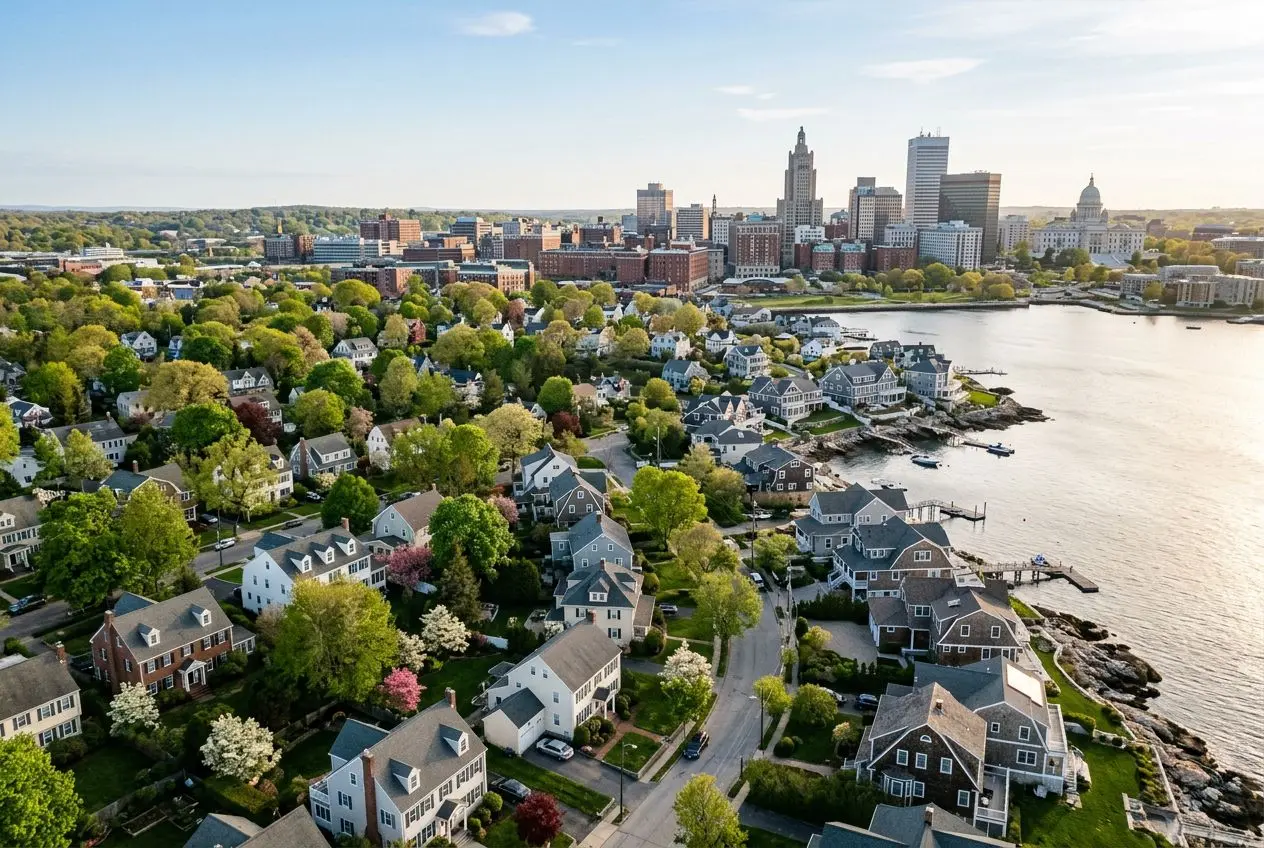
Introduction: Understanding Rhode Island's Real Estate Market Dynamics
Rhode Island's residential real estate market has undergone a significant transformation in recent years, attracting both homebuyers and investors seeking strong returns on their property investments. The state's unique position as a New England hub, combined with its proximity to major metropolitan areas, has created compelling opportunities for those who understand where to look. The market dynamics are shaped by a combination of factors including population migration patterns, infrastructure development, and the growing appeal of smaller New England communities.
What makes Rhode Island particularly interesting for real estate investors is the diversity of its neighborhoods. From the historic charm of Providence to the coastal allure of Newport, and the emerging suburban communities in the western regions, each area presents distinct investment opportunities. Understanding these dynamics is crucial for anyone looking to capitalize on appreciation potential in the state's residential markets.
High-Growth Communities Across Rhode Island: Where Property Values Are Rising
Providence and Urban Revitalization
Providence has emerged as one of Rhode Island's strongest real estate markets, driven by significant urban revitalization efforts and cultural development. The downtown area has seen substantial investment in mixed-use developments, restaurants, and entertainment venues that have attracted younger professionals and families. Properties in neighborhoods like Federal Hill and the Arts and Entertainment District have experienced notable appreciation as the city continues its transformation.
Key factors driving growth:
- Revitalized downtown corridor with new businesses and cultural attractions
- Improved walkability and public transportation infrastructure
- Growing job market in healthcare, education, and technology sectors
- Affordable entry prices compared to other New England cities
Warwick and Suburban Expansion
Warwick represents the suburban growth story in Rhode Island, offering families and investors a balance between accessibility and affordability. Located conveniently between Providence and Newport, Warwick has attracted significant commercial development and residential growth. The community's investment in schools, parks, and infrastructure has made it increasingly attractive to families seeking quality of life without the premium pricing of coastal communities.
The appreciation potential in Warwick stems from its strategic location and ongoing development projects that continue to enhance the community's appeal. Properties here offer investors the opportunity to capture growth in a market that remains undervalued compared to similar suburban communities in neighboring states.
Coastal Communities: Newport and Beyond
While Newport has long been known for its prestigious properties and historic mansions, emerging opportunities exist in surrounding coastal communities. Towns like Middletown and Portsmouth offer waterfront or water-view properties at more accessible price points than Newport proper, yet benefit from the same coastal lifestyle appeal and strong seasonal tourism economy.
These communities are experiencing steady appreciation as investors recognize the value of coastal living without the ultra-premium pricing. The combination of tourism, recreational opportunities, and quality-of-life factors continues to drive demand and property values in these areas.
Western Rhode Island: The Emerging Frontier
Communities in western Rhode Island, including areas near the Connecticut border, represent the state's emerging investment frontier. These neighborhoods offer significant appreciation potential due to their proximity to growing employment centers and their current undervaluation relative to their amenities and location. As infrastructure improvements continue and more professionals discover these communities, property values are expected to accelerate.
Investment Analysis: Comparing Appreciation Trends in Residential Markets
Market Performance Metrics
When comparing appreciation trends across Rhode Island's residential markets, several key metrics emerge. Urban markets like Providence have shown double-digit appreciation rates in select neighborhoods, while suburban communities like Warwick have demonstrated more stable, consistent growth. Coastal properties continue to command premium valuations, though appreciation rates vary based on specific location and property type.
Factors influencing appreciation rates include:
- School district quality and ratings
- Proximity to employment centers and transportation hubs
- Local economic development initiatives
- Population demographic trends
- Housing inventory levels and market supply
Investment Strategy Considerations
Savvy investors are taking different approaches based on their investment timeline and risk tolerance. Short-term investors are focusing on urban neighborhoods undergoing revitalization, where rapid appreciation is possible. Long-term investors are positioning themselves in suburban communities with strong fundamentals and steady growth trajectories.
The key to successful investment in Rhode Island's residential markets is understanding the specific drivers of appreciation in each community. Markets experiencing population growth, job creation, and infrastructure investment tend to outperform those without these catalysts. Additionally, properties in neighborhoods with limited housing inventory relative to demand often experience stronger appreciation.
Comparative Value Analysis
Rhode Island's residential properties remain relatively affordable compared to other New England states, creating a compelling value proposition for investors. Even in high-appreciation neighborhoods, entry prices are often significantly lower than comparable properties in Massachusetts or Connecticut. This price advantage, combined with strong appreciation potential, makes Rhode Island an attractive market for real estate investors seeking optimal returns.
"The best time to invest in a market is when others haven't yet recognized its potential. Rhode Island's residential markets offer exactly that opportunity for informed investors."
Conclusion: Positioning Yourself in Rhode Island's Strongest Real Estate Markets
Rhode Island's residential real estate market presents compelling opportunities for investors who understand where growth is happening and why. From the urban revitalization story in Providence to the suburban expansion in Warwick and the emerging potential in western communities, the state offers diverse investment options across different risk and return profiles.
Success in Rhode Island's real estate market requires thorough research, understanding local market dynamics, and identifying communities with strong fundamentals and growth catalysts. Whether you're seeking rapid appreciation in revitalized urban neighborhoods or steady growth in developing suburban communities, Rhode Island offers pathways to strong investment returns.
The most successful investors are those who act before a market becomes obvious to the masses. By understanding the current dynamics and positioning yourself in Rhode Island's strongest residential markets, you position yourself to benefit from the appreciation potential that lies ahead. The time to explore these opportunities is now, before the best values disappear and the market reaches full recognition of Rhode Island's residential real estate potential.
Rhode Island's suburban commercial real estate market is experiencing unprecedented growth, with investors capitalizing on emerging opportunities in Warwick, Cranston, and beyond. Learn why mixed-use developments and strategic positioning are reshaping the state's commercial landscape.
Commercial Real Estate Growth in Rhode Island's Suburban Markets
Discover why savvy investors are turning to emerging commercial opportunities across Rhode Island's diverse communities.
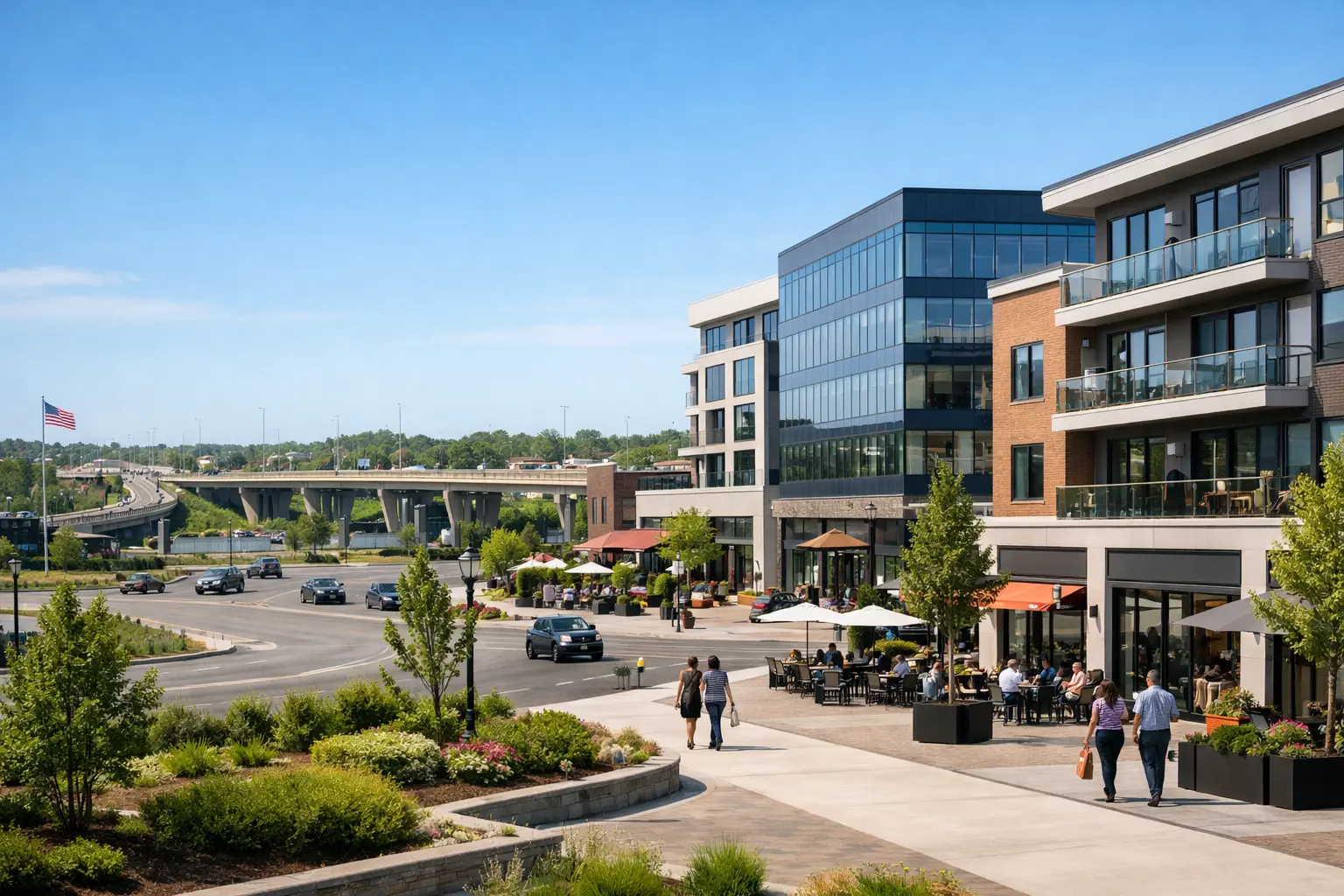
The Rise of Rhode Island's Commercial Real Estate Sector
Rhode Island's commercial real estate market has undergone a remarkable transformation in recent years. What was once considered a secondary market has evolved into a dynamic hub of investment opportunity, attracting both seasoned developers and emerging entrepreneurs. The state's strategic location in the Northeast Corridor, combined with competitive pricing and a skilled workforce, has positioned it as an increasingly attractive destination for commercial ventures.
The suburban markets surrounding Providence have become particularly appealing to investors seeking value-driven opportunities with strong growth potential. Unlike the saturated markets of major metropolitan areas, Rhode Island's communities offer the perfect balance of accessibility, affordability, and expanding demand. This shift represents a fundamental change in how investors view the state's commercial real estate landscape.
High-Demand Markets for Commercial Properties: Warwick, Cranston, and Beyond
Warwick: The Commercial Hub
Warwick has emerged as the premier destination for commercial real estate investment in Rhode Island. Its strategic location along major transportation corridors, including Interstate 95 and Route 2, makes it an ideal location for retail, office, and logistics operations. The city's robust infrastructure and business-friendly environment have attracted major corporations and small businesses alike.
Key advantages of investing in Warwick include:
- Proximity to T.F. Green Airport and major highways
- Growing population base supporting retail and service sectors
- Competitive commercial real estate pricing compared to neighboring states
- Strong municipal support for business development
- Diverse tenant base reducing market concentration risk
Cranston: Emerging Opportunities
Cranston represents another compelling market for commercial investors. As Rhode Island's second-largest city, it offers significant untapped potential for mixed-use and specialty commercial developments. The city's residential density creates natural demand for retail, dining, and service-oriented businesses.
Recent revitalization efforts have focused on downtown areas and commercial corridors, creating opportunities for investors willing to participate in community-driven development projects. The city's commitment to economic growth has resulted in favorable zoning policies and incentive programs for qualified developers.
Beyond the Major Markets
While Warwick and Cranston dominate headlines, savvy investors are also exploring opportunities in secondary markets such as Woonsocket, Pawtucket, and West Warwick. These communities offer lower entry costs and emerging growth potential as regional development expands outward from the state's core urban centers.
Mixed-Use Development Trends and Investment Returns in Suburban Rhode Island
The Mixed-Use Revolution
Mixed-use developments have become the cornerstone of Rhode Island's commercial real estate strategy. These projects combine residential, retail, office, and entertainment spaces in single developments, creating vibrant communities that attract diverse tenant bases and generate multiple revenue streams.
The benefits of mixed-use developments include:
- Diversified income sources reducing investment risk
- Enhanced property values through integrated design
- Increased foot traffic benefiting all tenants
- Community appeal attracting quality residents and businesses
- Long-term appreciation potential in growing markets
Investment Returns and Market Performance
Commercial real estate investors in Rhode Island's suburban markets are experiencing impressive returns on their investments. Cap rates in the region remain competitive, typically ranging from 5.5% to 7.5% depending on property type and location. This compares favorably to national averages and provides attractive yields for income-focused investors.
Several factors contribute to strong investment performance:
"The combination of affordable entry prices, growing tenant demand, and limited new supply creates an ideal environment for commercial real estate investors seeking both current income and long-term appreciation."
Market fundamentals remain solid, with low vacancy rates in key commercial corridors and steady demand from both national and local tenants. The state's business-friendly regulatory environment and competitive labor costs continue to attract companies seeking to establish or expand operations in New England.
Emerging Trends Shaping the Market
Several trends are reshaping Rhode Island's commercial real estate landscape:
- Adaptive Reuse: Converting historic industrial buildings into modern commercial and residential spaces
- Sustainability Focus: Green building practices and energy-efficient properties commanding premium valuations
- Flexible Workspaces: Growing demand for co-working and flexible office solutions
- E-Commerce Infrastructure: Increased investment in logistics and distribution facilities
- Community-Centric Development: Projects emphasizing walkability and local engagement
Positioning Yourself as a Commercial Real Estate Expert in Rhode Island
For investors and professionals looking to capitalize on Rhode Island's commercial real estate opportunities, success requires strategic positioning and deep market knowledge. Understanding local market dynamics, building relationships with key stakeholders, and staying informed about regulatory changes are essential components of a winning strategy.
Consider these steps to establish yourself as a market expert:
- Develop specialized knowledge of specific submarkets and property types
- Build relationships with local brokers, developers, and municipal officials
- Stay current with market trends through industry publications and networking
- Participate in local business organizations and development initiatives
- Document and analyze successful projects and investment strategies
The commercial real estate professionals who thrive in Rhode Island's market are those who combine local expertise with a forward-thinking approach to development and investment. By understanding the unique characteristics of each community and anticipating market trends, investors can identify opportunities before they become obvious to the broader market.
Rhode Island's suburban commercial real estate market represents a compelling opportunity for investors seeking strong returns in a growing, undervalued market. With the right strategy, local knowledge, and commitment to excellence, success in this dynamic sector is well within reach.
Learn proven strategies for building wealth through residential property investment in Rhode Island. Explore high-growth neighborhoods, evaluate investment potential, and develop a winning portfolio strategy in New England's most dynamic real estate market.
Residential Property Investment Strategies Across Rhode Island
Discover how to build wealth through smart real estate investments in Rhode Island's most promising communities.

Understanding the Rhode Island Real Estate Market Landscape
Rhode Island's real estate market presents unique opportunities for investors seeking to build long-term wealth through residential property ownership. As the smallest state in the nation, Rhode Island offers a concentrated market with distinct advantages: proximity to major metropolitan areas like Boston and New York, a stable population base, and increasingly attractive rental yields.
The state's real estate market has experienced steady appreciation over recent years, driven by several key factors:
- Economic Diversification: Rhode Island's economy extends beyond traditional manufacturing, with growing sectors in healthcare, education, and technology attracting new residents and professionals.
- Affordable Entry Points: Compared to neighboring states, Rhode Island properties remain relatively affordable, making it an attractive market for first-time and experienced investors alike.
- Strong Rental Demand: The state's universities, hospitals, and growing job market create consistent demand for rental properties across multiple demographics.
- Infrastructure Development: Ongoing improvements to transportation and public amenities continue to enhance property values and investment potential.
Understanding these market fundamentals is essential before identifying specific investment opportunities. Successful investors take time to research local trends, analyze historical data, and develop a clear investment thesis aligned with their financial goals.
Identifying High-Growth Residential and Commercial Neighborhoods
Providence and Urban Core Communities
Providence, Rhode Island's capital, has undergone significant revitalization in recent years. The downtown area, particularly neighborhoods like Federal Hill and the Arts and Entertainment District, attracts young professionals and families seeking urban living with walkable amenities. These areas offer strong appreciation potential and reliable rental income from both residential and mixed-use properties.
Suburban Growth Corridors
Communities along major transportation routes, including Warwick, Cranston, and Pawtucket, continue to attract families and investors. These neighborhoods offer:
- More affordable entry prices than urban centers
- Strong school systems that appeal to family renters
- Convenient access to employment centers
- Emerging commercial development opportunities
Coastal and Resort Communities
Newport and other coastal areas represent a different investment category, offering premium properties with seasonal rental potential and strong appreciation. While entry costs are higher, these properties attract affluent renters and benefit from consistent tourism demand.
Emerging Neighborhoods
Smart investors look beyond established areas to identify emerging neighborhoods with strong fundamentals. Areas experiencing population growth, new business development, and infrastructure improvements often provide the best long-term returns. Research local development plans, zoning changes, and demographic trends to identify these opportunities early.
Evaluating Properties for Long-Term Investment Potential
Financial Analysis and Cash Flow
Before purchasing any property, conduct thorough financial analysis. Calculate potential rental income, account for all expenses including property taxes, insurance, maintenance, and vacancy rates. A property should generate positive cash flow or demonstrate clear appreciation potential to justify the investment.
The best investment properties balance current income generation with long-term appreciation potential.
Property Condition and Maintenance Costs
Evaluate the property's physical condition carefully. Older Rhode Island properties may require significant updates to systems like heating, plumbing, and electrical. Factor these costs into your investment analysis. Consider hiring professional inspectors to identify potential issues before purchase.
Location and Market Dynamics
Location remains paramount in real estate investment. Evaluate:
- Neighborhood Trends: Is the area appreciating or declining? What's the trajectory?
- Rental Market Strength: What are comparable rents? What's the vacancy rate?
- Future Development: Are there planned improvements or commercial developments nearby?
- School Quality: Strong schools increase property values and rental appeal.
- Walkability and Amenities: Properties near shops, restaurants, and services command premium prices.
Tenant Profile and Rental Potential
Different properties attract different tenant profiles. University towns attract students, while suburban areas appeal to families. Understand your target tenant demographic and ensure the property meets their needs. Properties with strong rental demand and lower vacancy rates provide more stable returns.
Building Your Investment Portfolio and Next Steps
Diversification Strategy
Rather than investing all capital in a single property or neighborhood, consider building a diversified portfolio. Mix property types—single-family homes, multi-unit buildings, and commercial properties—across different neighborhoods to reduce risk and maximize returns.
Financing and Capital Strategy
Determine your financing approach before beginning your search. Options include:
- Traditional mortgages with favorable rates for investment properties
- Cash purchases for faster closings and negotiating power
- Partnership arrangements to share capital and risk
- Leveraging equity from existing properties for additional investments
Work with experienced lenders who understand investment property financing and can help you optimize your capital structure.
Professional Team Assembly
Successful real estate investors surround themselves with qualified professionals:
- Real Estate Agent: Someone with deep local market knowledge and investment experience
- Property Inspector: To evaluate physical condition and identify potential issues
- Tax Professional: To optimize tax benefits and understand deductions
- Attorney: To review contracts and ensure legal protection
- Property Manager: To handle tenant relations and maintenance if you prefer passive investment
Action Plan for Getting Started
Begin your Rhode Island real estate investment journey with these concrete steps:
- Research the market: Study neighborhoods, analyze comparable sales, and understand local trends
- Get pre-approved: Secure financing to strengthen your negotiating position
- Build your team: Connect with experienced professionals who understand Rhode Island real estate
- Identify opportunities: Look for properties matching your investment criteria and financial goals
- Conduct due diligence: Thoroughly evaluate each property before making an offer
- Execute and manage: Close on properties and implement your management strategy
- Monitor and adjust: Track performance and adjust your strategy as market conditions evolve
Long-Term Wealth Building
Real estate investment is a long-term wealth-building strategy. Properties appreciate over time, mortgages are paid down by tenants, and rental income provides ongoing cash flow. By starting now and building systematically, you can create substantial wealth through Rhode Island real estate while contributing to the state's vibrant communities.
The key to success is starting with education, proceeding with patience, and maintaining a long-term perspective. Rhode Island's real estate market offers genuine opportunities for investors willing to do their homework and execute a thoughtful strategy.
Join Influential Women and start making an impact. Register now.