Blue Bell Zoning Laws: A Guide to Property Development Opportunities
Learn how zoning regulations shape residential and commercial investments in Blue Bell, PA.

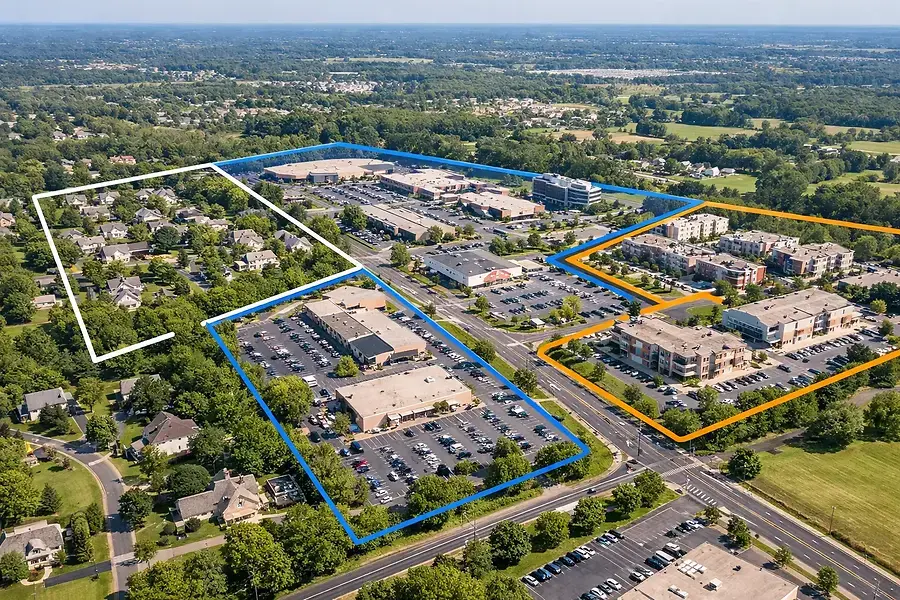
Introduction: Why Zoning Matters for Blue Bell Property Investors
Zoning regulations are the backbone of property development in any municipality, and Blue Bell, Pennsylvania is no exception. For investors and property owners looking to maximize their real estate investments, understanding these zoning laws is essential. Zoning determines what you can build, how you can use your property, and ultimately, what your investment is worth.
Whether you're a seasoned real estate investor or a first-time property buyer in Blue Bell, zoning regulations directly impact your ability to develop, renovate, or repurpose your land. Ignoring zoning requirements can lead to costly mistakes, legal complications, and lost investment opportunities. This guide will help you navigate Blue Bell's zoning landscape and identify the best opportunities for your property development goals.
Blue Bell's Zoning Districts: Residential, Commercial, and Mixed-Use Classifications
Residential Zoning Districts
Blue Bell's residential zones are designed to preserve the community's character while accommodating housing growth. These districts are typically divided into several categories based on density and lot size requirements:
- Low-Density Residential (R-1): Single-family homes on larger lots, typically 1-2 acres or more. These areas emphasize privacy and open space.
- Medium-Density Residential (R-2): Smaller single-family homes and townhouses with reduced lot sizes, promoting more efficient land use.
- High-Density Residential (R-3): Multi-family dwellings including apartments and condominiums, allowing for greater population density.
Each residential district has specific requirements regarding setbacks, building height, lot coverage, and parking. Understanding these requirements is crucial before purchasing property for residential development.
Commercial Zoning Districts
Blue Bell's commercial zones support business growth while maintaining neighborhood compatibility. The primary commercial classifications include:
- Neighborhood Commercial (C-1): Small-scale retail and service businesses serving local residents, such as convenience stores and professional offices.
- General Commercial (C-2): Larger retail establishments, restaurants, and office complexes with greater visibility and accessibility.
- Industrial/Office Park (I-1): Light manufacturing, warehousing, and office parks designed for business operations with minimal residential impact.
Commercial zones typically have stricter requirements for parking, signage, and traffic management to ensure community safety and aesthetics.
Mixed-Use Development Opportunities
Mixed-use zoning is an increasingly popular classification in Blue Bell, allowing properties to combine residential, commercial, and office spaces. These developments create vibrant communities where people can live, work, and shop in proximity to one another. Mixed-use zones offer investors unique opportunities to maximize property value and create dynamic spaces that appeal to modern consumers.
How Zoning Regulations Affect Property Value and Development Potential
Impact on Property Valuation
Zoning classification directly influences property values. A property zoned for commercial use will typically command a higher price than an identical property zoned residential, depending on market demand and location. Similarly, properties in high-density residential zones may be valued differently than those in low-density areas.
Investors must carefully analyze zoning classifications when evaluating property purchases. A seemingly undervalued property might be restricted by zoning limitations that prevent the most profitable development scenario.
Development Potential and Restrictions
Zoning regulations establish clear parameters for what can be built and how land can be used. Key restrictions include:
- Setback Requirements: Minimum distances from property lines where structures cannot be built.
- Height Restrictions: Maximum building heights to maintain neighborhood character and prevent overshadowing.
- Lot Coverage Limits: Percentage of land that can be covered by structures, preserving green space.
- Parking Requirements: Minimum parking spaces required based on property use and size.
- Use Restrictions: Specific permitted uses and prohibited activities within each zone.
Variances and Conditional Use Permits
While zoning regulations are strict, Blue Bell does allow for variances and conditional use permits when property owners can demonstrate hardship or special circumstances. These exceptions can unlock significant development potential for creative investors. However, obtaining variances requires navigating the local zoning board and demonstrating that your proposed use won't negatively impact the community.
The process typically involves:
- Submitting detailed plans and documentation to the zoning board
- Attending public hearings where neighbors can voice concerns
- Demonstrating that the variance serves the public interest
- Proving that your property has unique characteristics justifying the exception
Future Development Trends
Blue Bell's zoning regulations continue to evolve to accommodate changing community needs. Recent trends include increased focus on sustainable development, walkability, and mixed-use communities. Investors who stay informed about potential zoning changes can position themselves to capitalize on emerging opportunities before they become widely recognized.
Smart investors monitor municipal planning meetings and zoning board discussions to anticipate regulatory changes that could impact their properties.
Conclusion: Making Informed Investment Decisions in Blue Bell
Blue Bell's zoning laws create both opportunities and constraints for property investors. Success in real estate development requires a thorough understanding of these regulations and how they apply to your specific property and investment goals.
Before making any significant real estate investment in Blue Bell, take these steps:
- Review the zoning classification of any property you're considering
- Understand the specific regulations that apply to your intended use
- Consult with local zoning officials or a real estate attorney to clarify ambiguous requirements
- Research the property's development history and any previous variances or permits
- Consider how future zoning changes might affect your investment
- Evaluate whether variances or conditional use permits might unlock additional value
By taking the time to understand Blue Bell's zoning landscape, you'll be better equipped to identify promising investment opportunities, avoid costly mistakes, and make decisions that maximize your property's potential. Whether you're developing residential communities, commercial spaces, or innovative mixed-use projects, zoning knowledge is your competitive advantage in Blue Bell's real estate market.


