
Discover the essential strategies for selling your Blue Bell home successfully. Learn proven tactics for staging, marketing, and negotiating to maximize your profit and attract serious buyers in today's competitive real estate market.
Her Story
About Michael
Michael McClain is a dedicated Realtor with Berkshire Hathaway HomeServices Fox & Roach Realty in Blue Bell, PA. His mission is to support buyers and sellers throughout the entire transaction process, ensuring their best interests are prioritized from negotiations to contract execution. With an active real estate license in Pennsylvania, Michael leverages his extensive experience in a leadership development program with Tri-County Suburban Realtors to enhance his skills in the industry.
<br><br>
A retired Philadelphia police officer with thirty years of service, Michael brings exceptional negotiation abilities and a strong sense of community to his real estate career. His approachable nature and genuine desire to help others set him apart in the field. Michael takes pride in guiding clients through the homebuying journey, providing unwavering support at every step. For him, success is measured not by commission but by the positive impact he has on his clients’ lives.
<br><br>
Michael’s passion for homeownership stems from a lifelong appreciation for having a space to call his own. He is excited to help others experience the same sense of ownership and fulfillment, believing that each client deserves personalized assistance in achieving their dreams of homeownership.
Her Content Hub
Articles by Michael
Selling Your Blue Bell Home: Essential Steps for Maximum Profit
Master the proven strategies that help Blue Bell homeowners attract serious buyers and achieve their best sale price.
Understanding the Blue Bell Market: Current Buyer Demand and Price Trends
The Blue Bell real estate market remains competitive and dynamic, with strong buyer interest in this desirable Pennsylvania community. Before listing your home, it's crucial to understand the current market conditions that will directly impact your selling strategy and final sale price.
Blue Bell continues to attract families and professionals seeking a balance between suburban comfort and convenient access to Philadelphia. The demand for homes in this area remains steady, with buyers particularly interested in properties featuring updated systems, modern amenities, and well-maintained exteriors. Recent market data shows that homes in Blue Bell are selling at competitive prices, with properties that are properly prepared and marketed achieving their asking prices or better.
Key Market Factors to Consider
- Inventory Levels: Understanding how many comparable homes are currently on the market helps you price competitively
- Days on Market: Track how quickly similar properties are selling to gauge buyer interest
- Price Per Square Foot: Research recent sales to establish realistic pricing expectations
- Buyer Demographics: Identify whether your home appeals to families, downsizers, or young professionals
Work with a local real estate agent who has deep knowledge of Blue Bell's neighborhoods and can provide recent comparable sales data. This information becomes your foundation for pricing strategy and marketing approach.
Preparing Your Home: Staging, Repairs, and Curb Appeal That Sells
First impressions matter tremendously in real estate. Buyers often make decisions about a property within the first few minutes of viewing it, making preparation essential for success.
Curb Appeal: Your Home's First Handshake
Your home's exterior is the first thing potential buyers see. Invest in improvements that deliver maximum impact:
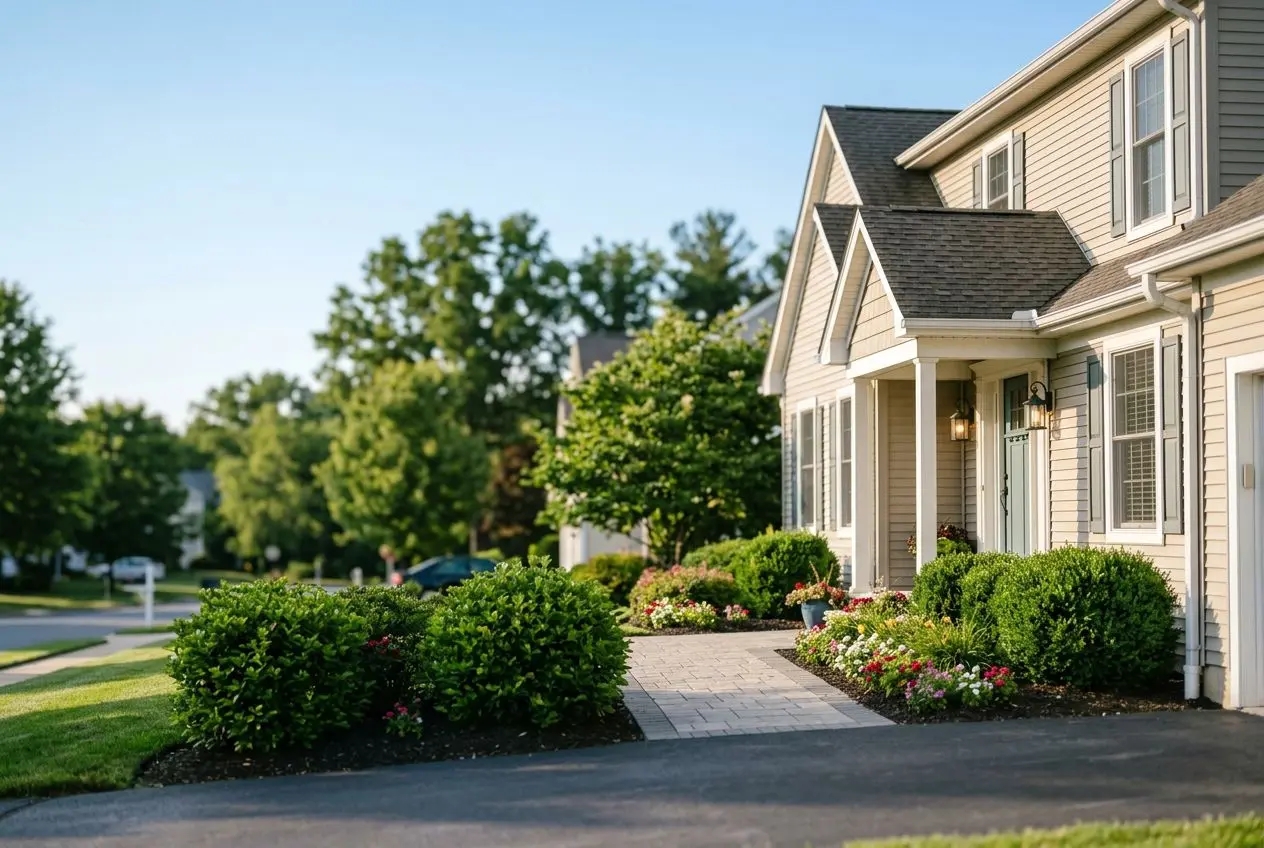
- Refresh landscaping with well-maintained shrubs, colorful plants, and a manicured lawn
- Paint the front door a welcoming color that complements your home's exterior
- Ensure the driveway is clean and free of cracks or stains
- Update house numbers and lighting fixtures for a polished appearance
- Power wash siding, walkways, and patios to remove dirt and grime
Interior Repairs and Updates
Address critical repairs first. Buyers will have inspections performed, and major issues can derail negotiations or significantly reduce your sale price. Prioritize:
- Roof condition and any needed repairs
- HVAC system functionality
- Plumbing and electrical systems
- Foundation integrity
- Water damage or mold issues
For cosmetic updates, focus on high-impact, cost-effective improvements. Fresh paint in neutral colors, updated lighting fixtures, and refinished hardwood floors often provide excellent returns on investment.
Strategic Home Staging
Staging helps buyers envision themselves living in your home. Remove personal items like family photos and memorabilia. Declutter spaces to make rooms appear larger and more inviting. Arrange furniture to highlight the flow of each room and emphasize key features like fireplaces or large windows.
Create a welcoming atmosphere with subtle touches: fresh flowers, pleasant scents, and soft lighting. These elements help buyers feel emotionally connected to your property.
Marketing Your Property: Reaching the Right Buyers in Blue Bell and Surrounding Areas
Effective marketing ensures your home reaches qualified buyers who are actively searching for properties like yours. A comprehensive marketing strategy combines multiple channels and approaches.
Professional Photography and Virtual Tours
High-quality photography is non-negotiable in today's market. Most buyers begin their search online, so professional images that showcase your home's best features are essential. Consider investing in:
- Professional photography with proper lighting and composition
- Drone photography to highlight lot size and neighborhood appeal
- Virtual 3D tours that allow buyers to explore your home remotely
- Video walkthroughs that tell your home's story
Multi-Channel Marketing Approach
Your listing should appear on all major real estate platforms including MLS, Zillow, Realtor.com, and Redfin. Your agent should also leverage:
- Social media advertising targeted to local buyers
- Email campaigns to previous clients and agent networks
- Open houses and private showings
- Neighborhood-specific marketing materials
- Local real estate publications and websites
Crafting a Compelling Listing Description
Your listing description should highlight unique features and benefits. Rather than simply listing square footage, describe the lifestyle your home offers: "Entertain in your spacious backyard with mature trees and a stone patio" or "Updated kitchen with granite counters and stainless steel appliances."
Emphasize proximity to Blue Bell's excellent schools, parks, shopping, and commuter routes. Help buyers understand why your home and location are worth their investment.
Closing the Deal: Negotiation Tactics and Timeline Expectations
Once offers start arriving, your negotiation strategy becomes critical to achieving maximum profit.
Evaluating Offers Strategically
Don't focus solely on the highest price. Consider the complete offer package:
- Earnest money deposit amount
- Financing contingencies and pre-approval status
- Inspection contingencies and repair allowances
- Closing timeline and flexibility
- Buyer's contingency on selling their current home
A lower offer with fewer contingencies and a quick closing timeline may be more valuable than a higher offer with multiple conditions.
Negotiation Best Practices
Remember: Every negotiation is an opportunity to build goodwill and move toward closing. Stay professional and focused on finding mutually beneficial solutions.
When counteroffers are made, respond promptly and professionally. Be prepared to negotiate on price, closing date, repairs, and contingencies. Your real estate agent should handle most communication to keep emotions out of the process.
Timeline Expectations
From listing to closing typically takes 30-45 days in the Blue Bell market, though this varies based on market conditions and buyer circumstances. Key milestones include:
- Days 1-7: Initial showings and offer period
- Days 8-14: Negotiations and offer acceptance
- Days 15-28: Inspections, appraisals, and contingency resolution
- Days 29-45: Final walkthrough, closing preparations, and settlement
Stay flexible during this period. Unexpected issues may arise during inspections or appraisals, requiring patience and problem-solving to keep the deal on track.
Final Preparations for Closing
As closing approaches, ensure all repairs are completed as agreed, utilities remain on for final inspections, and you're prepared to transfer keys and provide documentation. A smooth closing protects your reputation and ensures you receive full payment.
By understanding the Blue Bell market, preparing your home thoroughly, marketing strategically, and negotiating wisely, you'll position yourself to achieve maximum profit from your home sale. Work closely with experienced local professionals who understand this market and can guide you through each step of the process.
Discover how Blue Bell's zoning laws impact property development and investment opportunities. This comprehensive guide explores residential, commercial, and mixed-use classifications to help investors make informed decisions about their real estate ventures in Pennsylvania.
Blue Bell Zoning Laws: A Guide to Property Development Opportunities
Learn how zoning regulations shape residential and commercial investments in Blue Bell, PA.
Introduction: Why Zoning Matters for Blue Bell Property Investors
Zoning regulations are the backbone of property development in any municipality, and Blue Bell, Pennsylvania is no exception. For investors and property owners looking to maximize their real estate investments, understanding these zoning laws is essential. Zoning determines what you can build, how you can use your property, and ultimately, what your investment is worth.
Whether you're a seasoned real estate investor or a first-time property buyer in Blue Bell, zoning regulations directly impact your ability to develop, renovate, or repurpose your land. Ignoring zoning requirements can lead to costly mistakes, legal complications, and lost investment opportunities. This guide will help you navigate Blue Bell's zoning landscape and identify the best opportunities for your property development goals.
Blue Bell's Zoning Districts: Residential, Commercial, and Mixed-Use Classifications
Residential Zoning Districts
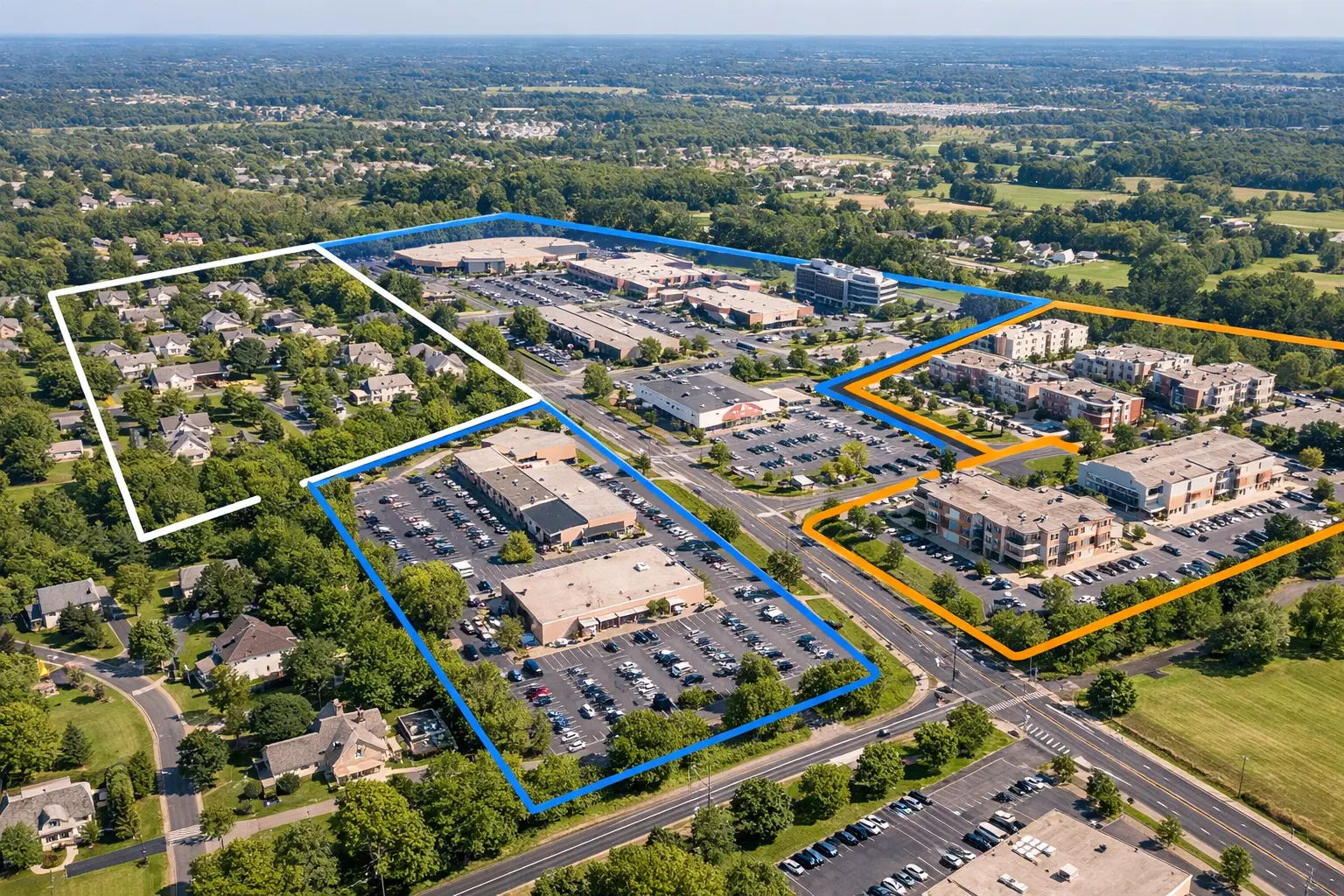
Blue Bell's residential zones are designed to preserve the community's character while accommodating housing growth. These districts are typically divided into several categories based on density and lot size requirements:
- Low-Density Residential (R-1): Single-family homes on larger lots, typically 1-2 acres or more. These areas emphasize privacy and open space.
- Medium-Density Residential (R-2): Smaller single-family homes and townhouses with reduced lot sizes, promoting more efficient land use.
- High-Density Residential (R-3): Multi-family dwellings including apartments and condominiums, allowing for greater population density.
Each residential district has specific requirements regarding setbacks, building height, lot coverage, and parking. Understanding these requirements is crucial before purchasing property for residential development.
Commercial Zoning Districts
Blue Bell's commercial zones support business growth while maintaining neighborhood compatibility. The primary commercial classifications include:
- Neighborhood Commercial (C-1): Small-scale retail and service businesses serving local residents, such as convenience stores and professional offices.
- General Commercial (C-2): Larger retail establishments, restaurants, and office complexes with greater visibility and accessibility.
- Industrial/Office Park (I-1): Light manufacturing, warehousing, and office parks designed for business operations with minimal residential impact.
Commercial zones typically have stricter requirements for parking, signage, and traffic management to ensure community safety and aesthetics.
Mixed-Use Development Opportunities
Mixed-use zoning is an increasingly popular classification in Blue Bell, allowing properties to combine residential, commercial, and office spaces. These developments create vibrant communities where people can live, work, and shop in proximity to one another. Mixed-use zones offer investors unique opportunities to maximize property value and create dynamic spaces that appeal to modern consumers.
How Zoning Regulations Affect Property Value and Development Potential
Impact on Property Valuation
Zoning classification directly influences property values. A property zoned for commercial use will typically command a higher price than an identical property zoned residential, depending on market demand and location. Similarly, properties in high-density residential zones may be valued differently than those in low-density areas.
Investors must carefully analyze zoning classifications when evaluating property purchases. A seemingly undervalued property might be restricted by zoning limitations that prevent the most profitable development scenario.
Development Potential and Restrictions
Zoning regulations establish clear parameters for what can be built and how land can be used. Key restrictions include:
- Setback Requirements: Minimum distances from property lines where structures cannot be built.
- Height Restrictions: Maximum building heights to maintain neighborhood character and prevent overshadowing.
- Lot Coverage Limits: Percentage of land that can be covered by structures, preserving green space.
- Parking Requirements: Minimum parking spaces required based on property use and size.
- Use Restrictions: Specific permitted uses and prohibited activities within each zone.
Variances and Conditional Use Permits
While zoning regulations are strict, Blue Bell does allow for variances and conditional use permits when property owners can demonstrate hardship or special circumstances. These exceptions can unlock significant development potential for creative investors. However, obtaining variances requires navigating the local zoning board and demonstrating that your proposed use won't negatively impact the community.
The process typically involves:
- Submitting detailed plans and documentation to the zoning board
- Attending public hearings where neighbors can voice concerns
- Demonstrating that the variance serves the public interest
- Proving that your property has unique characteristics justifying the exception
Future Development Trends
Blue Bell's zoning regulations continue to evolve to accommodate changing community needs. Recent trends include increased focus on sustainable development, walkability, and mixed-use communities. Investors who stay informed about potential zoning changes can position themselves to capitalize on emerging opportunities before they become widely recognized.
Smart investors monitor municipal planning meetings and zoning board discussions to anticipate regulatory changes that could impact their properties.
Conclusion: Making Informed Investment Decisions in Blue Bell
Blue Bell's zoning laws create both opportunities and constraints for property investors. Success in real estate development requires a thorough understanding of these regulations and how they apply to your specific property and investment goals.
Before making any significant real estate investment in Blue Bell, take these steps:
- Review the zoning classification of any property you're considering
- Understand the specific regulations that apply to your intended use
- Consult with local zoning officials or a real estate attorney to clarify ambiguous requirements
- Research the property's development history and any previous variances or permits
- Consider how future zoning changes might affect your investment
- Evaluate whether variances or conditional use permits might unlock additional value
By taking the time to understand Blue Bell's zoning landscape, you'll be better equipped to identify promising investment opportunities, avoid costly mistakes, and make decisions that maximize your property's potential. Whether you're developing residential communities, commercial spaces, or innovative mixed-use projects, zoning knowledge is your competitive advantage in Blue Bell's real estate market.
Discover how to capitalize on Blue Bell's thriving dual real estate market. Learn expert strategies for investing in both residential and commercial properties in this dynamic Pennsylvania community.
Navigating Blue Bell's Dual Market: Residential and Commercial Real Estate
Expert insights into maximizing opportunities in both residential and commercial properties within Blue Bell's dynamic real estate landscape.

The Unique Advantages of Blue Bell's Diverse Real Estate Market
Blue Bell, Pennsylvania, stands as a premier destination for real estate investors and homebuyers seeking opportunities in a market that offers both stability and growth potential. Located in Montgomery County, this affluent community has cultivated a reputation for excellence, combining suburban charm with strategic proximity to Philadelphia's business corridors. The dual nature of Blue Bell's real estate market—encompassing both residential and commercial sectors—creates a unique ecosystem where investors can diversify their portfolios while contributing to the community's continued prosperity.
The market's resilience stems from several key factors: strong demographic appeal, consistent economic growth, and a business-friendly environment that attracts both established corporations and emerging enterprises. Whether you're a seasoned investor or a first-time buyer, understanding the nuances of both segments is essential for making informed decisions that align with your financial goals.
Residential Real Estate in Blue Bell: Community Appeal and Investment Potential
The Appeal of Blue Bell Neighborhoods
Blue Bell's residential market thrives on its reputation as one of the region's most desirable communities. The area boasts excellent schools, well-maintained neighborhoods, and a strong sense of community that attracts families and professionals alike. Properties range from charming colonial-style homes to modern estates, each reflecting the area's commitment to quality and aesthetic appeal.
The residential market benefits from:
- Top-rated school districts that consistently rank among Pennsylvania's finest
- Proximity to major employment centers including Philadelphia and surrounding business hubs
- Abundant recreational amenities including parks, golf courses, and community facilities
- Strong property values that have demonstrated resilience and appreciation over time
- Diverse housing options catering to various lifestyle preferences and budgets
Investment Potential and Returns
For investors, Blue Bell's residential sector presents compelling opportunities. The consistent demand from families seeking quality education and suburban living creates a stable rental market. Properties in well-established neighborhoods command premium prices and attract tenants seeking long-term stability. The area's demographic profile—characterized by higher household incomes and professional employment—translates to reliable rental income and lower vacancy rates compared to many competing markets.
Key investment considerations include:
- Appreciation potential driven by limited housing inventory and strong demand
- Rental income stability from a tenant base with strong financial credentials
- Tax advantages through residential real estate ownership and depreciation benefits
- Leverage opportunities for building wealth through strategic property acquisitions
Commercial Real Estate Opportunities: Growth Corridors and Business Development
Emerging Business Districts
Blue Bell's commercial real estate landscape is experiencing dynamic growth, particularly along key corridors that connect to major transportation networks. The area has positioned itself as an attractive destination for corporate headquarters, professional services, retail establishments, and light industrial operations. This diversification creates multiple entry points for commercial investors seeking exposure to different sectors.
The commercial market is characterized by:
- Strategic location advantages near major highways and public transportation
- Growing demand for office space from companies seeking suburban alternatives to urban centers
- Retail expansion opportunities driven by population growth and consumer spending
- Mixed-use development potential combining residential, retail, and office components
- Industrial and logistics opportunities supporting regional supply chains
Commercial Investment Strategies
Commercial real estate in Blue Bell offers multiple pathways to profitability. Net lease properties provide stable, long-term income streams with minimal landlord responsibilities. Multi-tenant office buildings benefit from the area's growing professional services sector. Retail properties capitalize on strong consumer demographics and foot traffic patterns. Mixed-use developments represent the future of Blue Bell's commercial landscape, combining residential, retail, and office spaces to maximize property value and tenant diversity.
Investors should consider the following when evaluating commercial opportunities:
- Tenant quality and lease terms that ensure predictable cash flow
- Property location relative to growth corridors and transportation networks
- Market fundamentals including absorption rates and vacancy trends
- Potential for value-add improvements and repositioning strategies
- Exit strategies and long-term market outlook
The Role of Economic Development
Blue Bell's local government and business community actively promote economic development initiatives that enhance the commercial real estate market. These efforts include infrastructure improvements, business incentive programs, and zoning flexibility that encourages innovative development. Such initiatives create tailwinds for commercial investors, increasing property values and tenant demand over time.
Positioning Yourself for Success in Blue Bell's Multi-Faceted Market
Integrated Investment Approach
The most successful investors in Blue Bell recognize the interconnected nature of residential and commercial real estate. Strong residential communities attract quality employees, which in turn attracts businesses seeking to locate near their workforce. Commercial growth generates employment opportunities that drive residential demand. This virtuous cycle creates multiple opportunities for investors who understand how to leverage both segments.
Consider a diversified approach that includes:
- Residential properties in high-demand neighborhoods for stable income and appreciation
- Commercial properties along growth corridors for higher yield potential
- Mixed-use developments that capitalize on both residential and commercial demand
- Strategic partnerships with local developers and property managers
- Continuous market monitoring to identify emerging opportunities
Working with Local Experts
Success in Blue Bell's real estate market depends on partnering with professionals who understand the local landscape. Real estate agents specializing in the area, commercial brokers familiar with business corridors, and property managers experienced in community dynamics all play crucial roles in identifying opportunities and maximizing returns. These experts provide invaluable insights into market trends, property values, and investment potential that can significantly impact your success.
Long-Term Vision
Blue Bell's real estate market rewards investors with a long-term perspective. Rather than chasing short-term gains, successful investors focus on acquiring quality properties in strong locations, maintaining them well, and allowing market appreciation and rental income to build wealth over time. The community's continued growth, strong fundamentals, and business-friendly environment suggest that patient investors will be well-rewarded.
Blue Bell represents a rare opportunity to participate in a market that offers both the stability of residential real estate and the growth potential of commercial development. By understanding the dynamics of both segments and positioning yourself strategically, you can build a portfolio that generates consistent income while capitalizing on long-term appreciation.
Join Influential Women and start making an impact. Register now.