Seattle Home Inspection Essentials: Protect Your Residential Investment Today
Learn what professional inspectors look for and how to use inspection reports to make confident buying decisions.

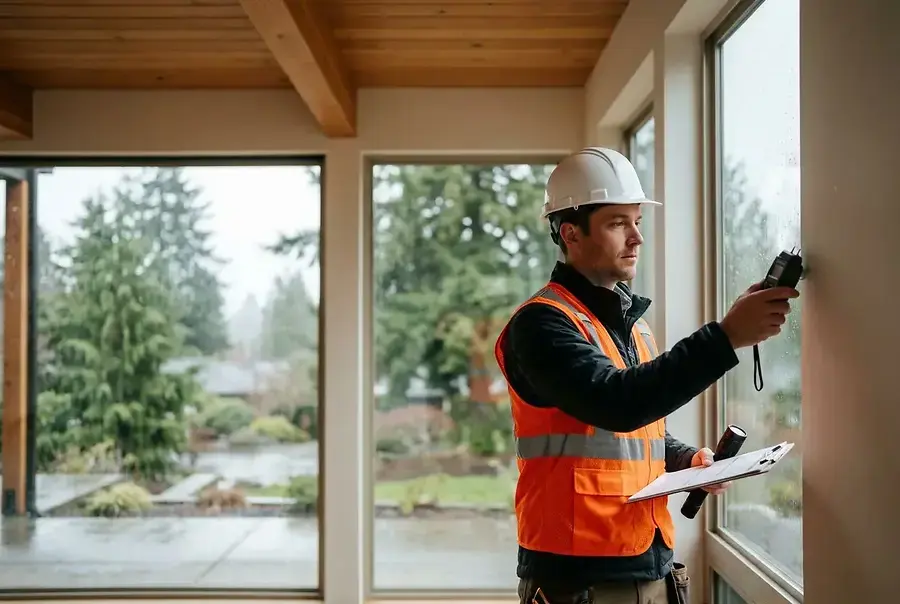
Why Home Inspections Matter in Seattle's Competitive Market
In Seattle's fast-paced real estate market, purchasing a home is one of the most significant financial decisions you'll make. A professional home inspection serves as your safeguard, providing an objective assessment of a property's condition before you commit. With homes selling quickly and competition fierce, many buyers feel pressured to skip inspections or overlook concerns. However, this approach can lead to costly repairs and unexpected problems down the road.
A thorough home inspection gives you the knowledge and leverage you need to make informed decisions. Whether you're a first-time homebuyer or an experienced investor, understanding what inspectors look for and how to interpret their findings is essential to protecting your investment.
What Inspectors Look For: Key Areas and Red Flags in Pacific Northwest Homes
Structural and Foundation Issues
The foundation is the backbone of any home. Inspectors examine foundations for cracks, settling, water damage, and signs of movement. In the Pacific Northwest, where moisture is abundant, foundation problems are particularly common. Look for:
- Horizontal or diagonal cracks in concrete or brick
- Water stains or efflorescence (white mineral deposits)
- Gaps between walls and foundations
- Uneven or sloping floors
Roofing and Weather Protection
Seattle's rainy climate makes a sound roof critical. Inspectors assess roof condition, age, and integrity. They look for missing or damaged shingles, improper flashing, and signs of leaks. A roof replacement can cost $15,000 to $30,000 or more, making this inspection area particularly important.
Plumbing Systems
Water damage is a major concern in the Pacific Northwest. Inspectors check for:
- Leaks in visible pipes and fixtures
- Water pressure and drainage issues
- Outdated or corroded pipes (galvanized or polybutylene)
- Proper grading and drainage around the foundation
Electrical Systems
Outdated electrical systems pose safety risks and may not meet current code requirements. Inspectors examine the panel, wiring, outlets, and grounding. Older homes in Seattle may have aluminum wiring or insufficient capacity for modern appliances, requiring upgrades.
HVAC and Heating
Heating systems are essential in the Pacific Northwest. Inspectors test furnaces, heat pumps, and ventilation systems for proper operation and safety. They also assess insulation levels, which directly impact energy efficiency and utility costs.
Moisture and Mold
Given the region's climate, moisture intrusion and mold are significant concerns. Inspectors look for:
- Signs of water damage in attics, basements, and crawl spaces
- Visible mold or mildew
- Inadequate ventilation
- Improper grading or drainage
Understanding Your Inspection Report: How to Interpret Findings and Next Steps
Report Structure and Categories
Professional inspection reports typically organize findings by system or area. Most reports categorize issues as:
- Safety Issues: Problems that pose immediate danger
- Major Repairs: Significant defects requiring professional attention
- Minor Repairs: Small issues that should be addressed
- Maintenance Items: Routine upkeep recommendations
Prioritizing Findings
Not all inspection findings require the same level of urgency. Focus first on safety issues and major structural problems. A cracked foundation or faulty electrical system demands immediate attention, while a missing caulk around a window is less critical.
Use the inspection report as a negotiation tool. Request that the seller address major issues or provide credits toward repairs.
Getting Second Opinions
For significant findings, consider hiring specialists. A structural engineer can assess foundation concerns, while a roofer can provide detailed roof evaluations. These expert opinions strengthen your negotiating position and clarify repair costs.
Estimating Repair Costs
The inspection report identifies problems, but you'll need cost estimates to understand the financial impact. Reach out to contractors for quotes on major repairs. This information helps you decide whether to:
- Request the seller make repairs before closing
- Ask for a credit toward repairs you'll handle
- Renegotiate the purchase price
- Walk away from the deal
Using Inspection Results to Negotiate and Protect Your Investment
Negotiation Strategies
Armed with a detailed inspection report, you have leverage in negotiations. Present findings professionally and focus on documented issues. Request specific repairs or credits rather than vague demands. Be prepared to compromise—sellers may prefer to provide credits rather than handle repairs themselves.
Building Your Contingency Plan
Use inspection findings to plan your post-purchase priorities. Budget for necessary repairs and schedule contractors before closing. Understanding the home's condition helps you avoid surprises and manage your investment wisely.
Long-Term Maintenance
The inspection report serves as a valuable maintenance guide. Address recommended maintenance items promptly to prevent small problems from becoming major expenses. Regular upkeep protects your investment and maintains your home's value.
Schedule annual inspections of critical systems like roofing, plumbing, and HVAC to catch issues early. In Seattle's climate, pay special attention to moisture-related concerns and drainage systems.
Conclusion: Protecting Your Seattle Investment
A professional home inspection is not an expense—it's an investment in your peace of mind and financial security. By understanding what inspectors examine, how to interpret reports, and how to use findings strategically, you gain the confidence to make smart buying decisions in Seattle's competitive market.
Don't let the pressure of a competitive market rush you into overlooking inspection concerns. Take time to review findings thoroughly, seek expert opinions when needed, and use the report to negotiate favorable terms. Your home is likely the largest purchase you'll make—protect it with a comprehensive inspection and informed decision-making.


