
Discover the critical aspects of home inspections in Seattle's competitive real estate market. Learn what inspectors examine, how to interpret reports, and how to use findings to negotiate and protect your investment.
Her Story
About Tyler
Tyler Thuan Hoang is a dedicated Realtor with Best Choice Realty in Seattle, WA, committed to guiding buyers and sellers through every stage of their real estate transactions. With over fourteen years of experience in the industry and more than thirty years of living in Seattle, Tyler has developed a comprehensive understanding of the local market, excelling in both residential and commercial real estate.
<br><br>
Tyler prides himself on his attentive approach, ensuring that he listens closely to his clients' needs and preferences. His ability to effectively market properties helps clients achieve the best possible outcomes, whether they are searching for their dream home or looking to sell for top dollar. Additionally, his fluency in Vietnamese allows him to serve a diverse clientele, enhancing communication and connection throughout the process.
<br><br>
Eager to assist anyone navigating the real estate landscape, Tyler invites potential clients to reach out for a conversation about their goals. His commitment to exceptional service and client satisfaction makes him a trusted partner in the journey toward successful real estate transactions.
Her Content Hub
Articles by Tyler
Seattle Home Inspection Essentials: Protect Your Residential Investment Today
Learn what professional inspectors look for and how to use inspection reports to make confident buying decisions.

Why Home Inspections Matter in Seattle's Competitive Market
In Seattle's fast-paced real estate market, purchasing a home is one of the most significant financial decisions you'll make. A professional home inspection serves as your safeguard, providing an objective assessment of a property's condition before you commit. With homes selling quickly and competition fierce, many buyers feel pressured to skip inspections or overlook concerns. However, this approach can lead to costly repairs and unexpected problems down the road.
A thorough home inspection gives you the knowledge and leverage you need to make informed decisions. Whether you're a first-time homebuyer or an experienced investor, understanding what inspectors look for and how to interpret their findings is essential to protecting your investment.
What Inspectors Look For: Key Areas and Red Flags in Pacific Northwest Homes
Structural and Foundation Issues
The foundation is the backbone of any home. Inspectors examine foundations for cracks, settling, water damage, and signs of movement. In the Pacific Northwest, where moisture is abundant, foundation problems are particularly common. Look for:
- Horizontal or diagonal cracks in concrete or brick
- Water stains or efflorescence (white mineral deposits)
- Gaps between walls and foundations
- Uneven or sloping floors
Roofing and Weather Protection
Seattle's rainy climate makes a sound roof critical. Inspectors assess roof condition, age, and integrity. They look for missing or damaged shingles, improper flashing, and signs of leaks. A roof replacement can cost $15,000 to $30,000 or more, making this inspection area particularly important.
Plumbing Systems
Water damage is a major concern in the Pacific Northwest. Inspectors check for:
- Leaks in visible pipes and fixtures
- Water pressure and drainage issues
- Outdated or corroded pipes (galvanized or polybutylene)
- Proper grading and drainage around the foundation
Electrical Systems
Outdated electrical systems pose safety risks and may not meet current code requirements. Inspectors examine the panel, wiring, outlets, and grounding. Older homes in Seattle may have aluminum wiring or insufficient capacity for modern appliances, requiring upgrades.
HVAC and Heating
Heating systems are essential in the Pacific Northwest. Inspectors test furnaces, heat pumps, and ventilation systems for proper operation and safety. They also assess insulation levels, which directly impact energy efficiency and utility costs.
Moisture and Mold
Given the region's climate, moisture intrusion and mold are significant concerns. Inspectors look for:
- Signs of water damage in attics, basements, and crawl spaces
- Visible mold or mildew
- Inadequate ventilation
- Improper grading or drainage
Understanding Your Inspection Report: How to Interpret Findings and Next Steps
Report Structure and Categories
Professional inspection reports typically organize findings by system or area. Most reports categorize issues as:
- Safety Issues: Problems that pose immediate danger
- Major Repairs: Significant defects requiring professional attention
- Minor Repairs: Small issues that should be addressed
- Maintenance Items: Routine upkeep recommendations
Prioritizing Findings
Not all inspection findings require the same level of urgency. Focus first on safety issues and major structural problems. A cracked foundation or faulty electrical system demands immediate attention, while a missing caulk around a window is less critical.
Use the inspection report as a negotiation tool. Request that the seller address major issues or provide credits toward repairs.
Getting Second Opinions
For significant findings, consider hiring specialists. A structural engineer can assess foundation concerns, while a roofer can provide detailed roof evaluations. These expert opinions strengthen your negotiating position and clarify repair costs.
Estimating Repair Costs
The inspection report identifies problems, but you'll need cost estimates to understand the financial impact. Reach out to contractors for quotes on major repairs. This information helps you decide whether to:
- Request the seller make repairs before closing
- Ask for a credit toward repairs you'll handle
- Renegotiate the purchase price
- Walk away from the deal
Using Inspection Results to Negotiate and Protect Your Investment
Negotiation Strategies
Armed with a detailed inspection report, you have leverage in negotiations. Present findings professionally and focus on documented issues. Request specific repairs or credits rather than vague demands. Be prepared to compromise—sellers may prefer to provide credits rather than handle repairs themselves.
Building Your Contingency Plan
Use inspection findings to plan your post-purchase priorities. Budget for necessary repairs and schedule contractors before closing. Understanding the home's condition helps you avoid surprises and manage your investment wisely.
Long-Term Maintenance
The inspection report serves as a valuable maintenance guide. Address recommended maintenance items promptly to prevent small problems from becoming major expenses. Regular upkeep protects your investment and maintains your home's value.
Schedule annual inspections of critical systems like roofing, plumbing, and HVAC to catch issues early. In Seattle's climate, pay special attention to moisture-related concerns and drainage systems.
Conclusion: Protecting Your Seattle Investment
A professional home inspection is not an expense—it's an investment in your peace of mind and financial security. By understanding what inspectors examine, how to interpret reports, and how to use findings strategically, you gain the confidence to make smart buying decisions in Seattle's competitive market.
Don't let the pressure of a competitive market rush you into overlooking inspection concerns. Take time to review findings thoroughly, seek expert opinions when needed, and use the report to negotiate favorable terms. Your home is likely the largest purchase you'll make—protect it with a comprehensive inspection and informed decision-making.
Learn proven pricing strategies that Seattle real estate professionals use to maximize home sale profits. This guide reveals how to leverage market data, comparable sales, and strategic positioning to achieve your best possible selling price in today's competitive market.
Seattle Home Selling: Pricing Strategies for Maximum Profit in 2026
Discover the data-driven approach local agents use to price residential properties competitively and attract serious buyers in Seattle's dynamic market.
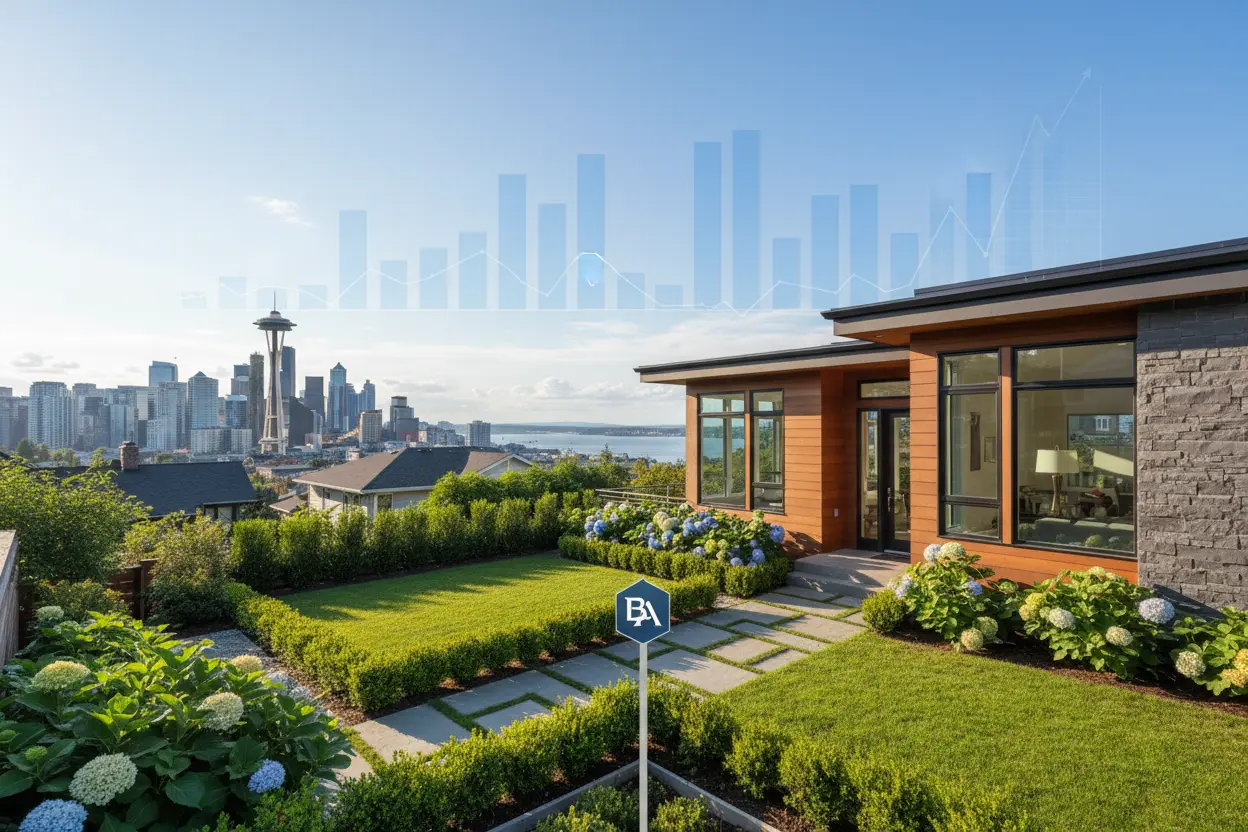
Understanding Seattle's Current Residential Market Dynamics
Seattle's residential real estate market continues to evolve with distinct seasonal patterns and shifting buyer preferences. The Pacific Northwest's thriving tech industry, combined with the region's natural beauty and quality of life, keeps demand relatively strong despite economic fluctuations. Understanding these market dynamics is essential for sellers who want to price their homes strategically.
The Seattle market has matured significantly over the past few years. Inventory levels have stabilized, creating a more balanced environment where neither buyers nor sellers hold overwhelming advantages. This equilibrium means that pricing accuracy becomes even more critical—homes priced too high may languish on the market, while underpriced properties leave money on the table.
Local agents recognize that successful pricing requires more than intuition. Data-driven analysis of recent sales, market trends, and buyer behavior patterns provides the foundation for competitive pricing decisions. Sellers who embrace this analytical approach consistently achieve better results.
Key Pricing Factors: Location, Condition, and Comparable Sales
Location: The Foundation of Value
In Seattle, location remains the primary driver of property value. Neighborhoods like Capitol Hill, Ballard, and Queen Anne command premium prices due to walkability, amenities, and proximity to employment centers. However, emerging neighborhoods offer excellent value for buyers seeking affordability without sacrificing quality of life.
Successful pricing strategies account for micro-location factors beyond neighborhood designation:
- Proximity to public transportation and major employment hubs
- School district ratings and educational opportunities
- Access to parks, recreational facilities, and cultural attractions
- Street-level appeal and neighborhood character
- Walkability scores and commercial district proximity
Properties within walking distance of popular commercial districts or transit stations typically command 10-15% premiums compared to similar homes in less accessible locations.
Property Condition: Maximizing Appeal and Value
The condition of your home directly influences pricing power. Well-maintained properties with recent updates attract more serious buyers and justify higher asking prices. Conversely, homes requiring significant repairs must be priced accordingly to account for buyer renovation costs.
Key condition factors that impact pricing include:
- Roof age and condition
- HVAC system functionality and efficiency
- Plumbing and electrical system updates
- Kitchen and bathroom modernization
- Foundation integrity and structural soundness
- Exterior maintenance and curb appeal
Strategic improvements before listing can significantly increase your home's value. Focus on high-ROI upgrades like kitchen updates, bathroom renovations, and fresh paint rather than luxury additions that may not appeal to the broader buyer pool.
Comparable Sales Analysis: The Pricing Blueprint
Professional agents use comparable sales (comps) analysis to establish realistic pricing. This involves examining recent sales of similar properties in your neighborhood, adjusting for differences in size, condition, and features.
Effective comp analysis requires careful attention to detail:
- Select properties sold within the last 90 days for relevance
- Match homes of similar size, age, and condition
- Account for location variations within the neighborhood
- Adjust prices for significant upgrades or deficiencies
- Consider market trend direction and seasonal factors
Rather than relying on a single comp, successful pricing strategies use multiple comparable sales to establish a realistic price range. This approach reduces the risk of overpricing while ensuring you don't leave money on the table.
Strategies to Position Your Home for Optimal Selling Price
Strategic Pricing for Market Penetration
Pricing strategy extends beyond simply calculating market value. Strategic pricing positions your home to attract maximum buyer interest while maintaining profit objectives.
Consider these proven approaches:
- Competitive Pricing: Price at or slightly below market value to generate immediate interest and multiple offers, potentially driving prices upward through competition
- Premium Pricing: Price above market value if your home offers unique features, exceptional condition, or premium location—but only if comparable sales support this strategy
- Value Positioning: Price strategically within a range to appeal to specific buyer segments while maintaining strong profit margins
Marketing and Presentation Excellence
Pricing strategy works best when combined with exceptional marketing and presentation. Professional photography, virtual tours, and compelling descriptions help buyers envision themselves in your home and justify your asking price.
First impressions matter enormously. Invest in curb appeal improvements, professional staging, and thorough cleaning. These relatively inexpensive enhancements can justify higher pricing and accelerate the sale timeline.
Timing and Market Conditions
Market timing influences pricing strategy. Spring and early summer typically see increased buyer activity, potentially supporting higher prices. However, serious buyers remain active year-round, and less competition during slower seasons can mean faster sales at competitive prices.
Smart sellers recognize that the best time to sell is when their home is ready, properly priced, and effectively marketed—regardless of season.
Flexibility and Responsiveness
Successful pricing strategies remain flexible. Monitor market response carefully during the first two weeks of listing. If your home generates strong interest and multiple showings, your pricing is likely optimal. If interest lags, be prepared to adjust your strategy based on market feedback and comparable sales data.
Conclusion: Maximizing Your Home Sale Investment
Selling your Seattle home for maximum profit requires a sophisticated, data-driven approach. By understanding market dynamics, analyzing comparable sales, and positioning your property strategically, you can achieve excellent results.
The most successful sellers combine three essential elements:
- Accurate market analysis using recent comparable sales
- Strategic property improvements focused on high-ROI upgrades
- Competitive pricing that attracts serious buyers while maximizing profit
Partner with experienced local agents who understand Seattle's neighborhoods and market nuances. Their expertise in pricing strategy, combined with your commitment to presenting your home in its best light, creates the foundation for a successful sale at maximum profit.
Remember: pricing is not a one-time decision but an ongoing strategy that evolves with market conditions and buyer response. Stay informed, remain flexible, and trust the data-driven approach that has proven successful for countless Seattle sellers.
Discover essential strategies for selling your Seattle home successfully. From understanding the local real estate market to pricing strategies and closing techniques, this comprehensive guide helps homeowners maximize their property's value and attract serious buyers.
Seattle Home Selling: Maximizing Your Property's Market Value
Learn proven strategies to prepare your Seattle home for sale and attract serious buyers in today's competitive market.
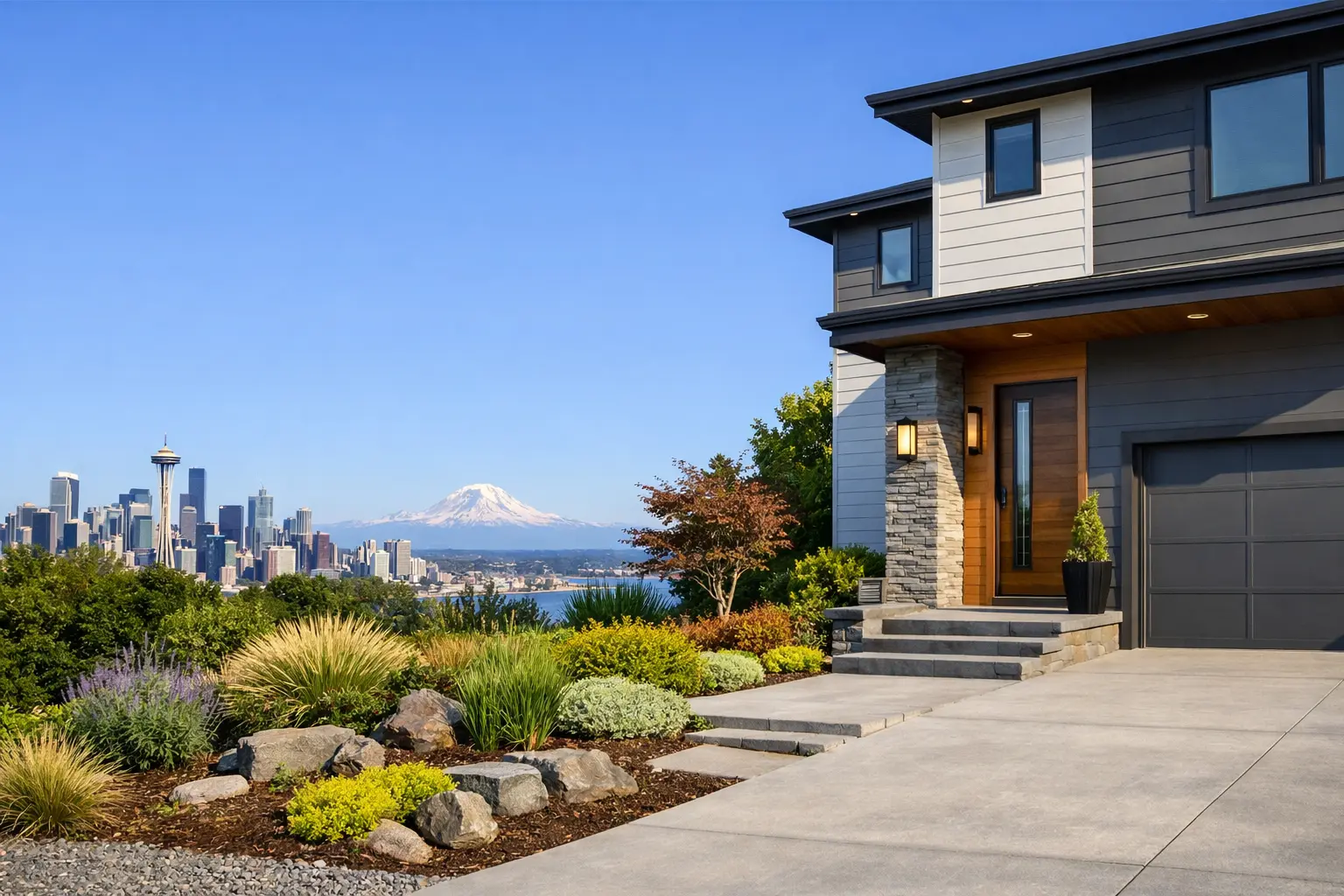
Understanding Seattle's Current Real Estate Landscape
The Seattle real estate market remains dynamic and competitive, with unique characteristics that set it apart from other regions. Before listing your home, it's crucial to understand the current market conditions, buyer preferences, and neighborhood trends that will influence your selling strategy.
Market Dynamics and Buyer Behavior
Seattle's housing market continues to attract buyers seeking proximity to tech hubs, quality schools, and vibrant neighborhoods. The market has stabilized after previous fluctuations, creating a balanced environment where well-prepared homes command premium prices. Buyers in Seattle prioritize location, home condition, and energy efficiency, making these factors essential to your selling success.
Neighborhood Considerations
Different Seattle neighborhoods appeal to different buyer demographics. Research your specific area's recent sales, average days on market, and price trends. Understanding your neighborhood's unique selling points—whether it's walkability, waterfront access, or proximity to employment centers—will help you craft a compelling marketing message.
Preparing Your Home for Maximum Appeal and Value
First impressions matter significantly in real estate. A well-prepared home can sell faster and at a higher price than one that needs repairs or updates. Focus on both aesthetic improvements and functional upgrades that appeal to modern buyers.
Curb Appeal and Exterior Improvements
Your home's exterior is the first thing potential buyers see. Invest in these high-impact improvements:
- Fresh exterior paint and clean siding
- Landscaping updates and well-maintained gardens
- New or refinished front door and hardware
- Clean windows and updated lighting fixtures
- Driveway repairs or pressure washing
Interior Updates and Staging
Interior condition directly impacts buyer perception and offers. Prioritize these improvements:
- Deep cleaning and decluttering throughout the home
- Fresh paint in neutral, modern colors
- Updated kitchen fixtures and countertops if budget allows
- Bathroom modernization and cleanliness
- Flooring repairs or refinishing
- Professional staging to highlight space and flow
Energy Efficiency and Modern Amenities
Seattle buyers increasingly value energy-efficient homes. Consider upgrades such as LED lighting, updated HVAC systems, and improved insulation. These improvements not only attract environmentally conscious buyers but also reduce utility costs, a strong selling point.
Pricing Strategies and Marketing Your Seattle Property
Correct pricing is critical to selling quickly and maximizing profit. Overpricing leads to extended listing times, while underpricing leaves money on the table.
Determining the Right Price
Work with a knowledgeable real estate agent to conduct a comprehensive comparative market analysis (CMA). Your agent should analyze recent sales of similar homes in your neighborhood, considering factors like square footage, age, condition, and special features. Pricing competitively from day one generates buyer interest and multiple offers.
Effective Marketing Strategies
In today's digital-first market, comprehensive marketing is essential:
- Professional photography and videography showcasing your home's best features
- Virtual tours and 3D walkthroughs for remote buyers
- Strategic online listing placement on major real estate platforms
- Social media promotion targeting local buyers
- Open houses and private showings
- Targeted advertising to specific buyer demographics
Highlighting Unique Features
Every home has unique selling points. Whether it's a renovated kitchen, mountain views, or proximity to parks and transit, emphasize what makes your property special. Create a compelling narrative about your home's lifestyle benefits and investment potential.
Closing the Sale and Next Steps
Once you've received offers, the closing process begins. Understanding this final stage helps ensure a smooth transaction and successful sale.
Evaluating and Negotiating Offers
Don't focus solely on price when evaluating offers. Consider contingencies, inspection terms, closing timeline, and buyer financing. A slightly lower offer with fewer contingencies may be preferable to a higher offer with significant conditions.
Inspection and Appraisal Process
Expect the buyer's inspector to thoroughly examine your home. Address any major issues proactively before listing to avoid surprises. The appraisal ensures the property value supports the purchase price, protecting both buyer and lender interests.
Final Preparations for Closing
As closing approaches, maintain your home's condition and prepare necessary documentation. Gather all relevant records—warranties, permits, maintenance receipts—to provide to the buyer. Clear communication with your real estate agent and title company ensures a seamless closing process.
Moving Forward
After closing, you'll transition to your next chapter. Whether you're relocating, downsizing, or upgrading, the proceeds from your Seattle home sale provide the foundation for your next real estate move.
A well-executed home sale sets the stage for your future success in the housing market.
Join Influential Women and start making an impact. Register now.