The Complete Home Inspection Guide for Clarksville Homebuyers
Discover what professional inspectors look for and how to protect your investment before closing day.

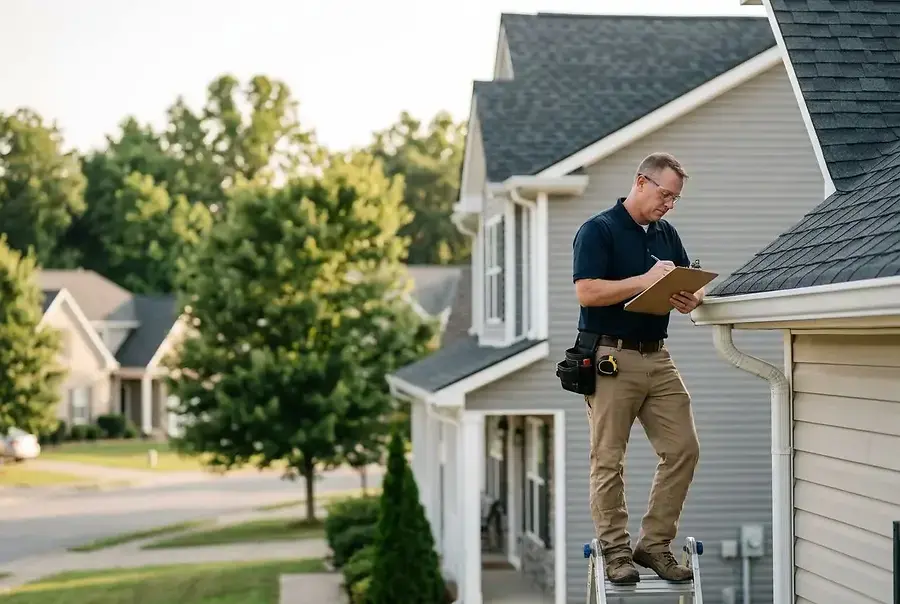
Introduction: Why Home Inspections Matter in Clarksville's Market
Purchasing a home is one of the most significant financial decisions you'll make in your lifetime. In Clarksville's competitive real estate market, a professional home inspection is your best defense against costly surprises after closing day. Many first-time homebuyers underestimate the importance of this critical step, viewing it as just another box to check. However, a thorough inspection can reveal hidden issues that could cost thousands of dollars to repair.
A home inspection provides an objective assessment of your property's condition, from the foundation to the roof. It's not just about identifying problems—it's about empowering you with knowledge to make informed decisions and negotiate better terms with sellers. Whether you're buying a historic home or a newly constructed property, understanding what inspectors look for will help you protect your investment.
Key Areas Professional Inspectors Evaluate
Structural Components and Foundation
Professional inspectors begin by examining the home's foundation and structural integrity. They look for cracks in the foundation, signs of settling, water damage, and evidence of previous repairs. The foundation is literally what holds your home together, so any issues here are serious concerns that require immediate attention.
What inspectors check:
- Foundation cracks and their severity
- Water intrusion and moisture problems
- Basement or crawl space conditions
- Support beams and structural posts
Roofing and Exterior
The roof is your home's first line of defense against the elements. Inspectors examine shingles, flashing, gutters, and drainage systems. They assess the roof's age and remaining lifespan, which is crucial information for budgeting future repairs. Exterior walls, siding, windows, and doors are also evaluated for damage, rot, and proper sealing.
Key inspection points:
- Roof age and condition of shingles
- Flashing around chimneys and vents
- Gutter functionality and drainage
- Exterior siding for rot or damage
- Window and door seals
Plumbing Systems
A thorough plumbing inspection checks water supply lines, drainage systems, and fixtures throughout the home. Inspectors test water pressure, check for leaks, and examine the condition of pipes. They also evaluate the water heater's age and functionality, as replacement can be expensive.
Hidden plumbing issues like corroded pipes or improper drainage can lead to water damage and mold growth. This is an area where problems often go unnoticed until they become serious and costly.
Electrical Systems
Electrical safety is paramount. Inspectors examine the main electrical panel, circuit breakers, wiring, outlets, and switches. They verify that the home's electrical system meets current safety codes and can handle modern power demands. Outdated wiring or overloaded circuits pose serious fire hazards.
HVAC and Climate Control
The heating, ventilation, and air conditioning systems are tested for proper operation and efficiency. Inspectors check the furnace, air conditioner, ductwork, and thermostat. They assess the age of these systems and estimate remaining lifespan, helping you plan for future replacements.
Interior Conditions
Inspectors examine walls, ceilings, floors, and doors for damage, water stains, or signs of pest infestation. They check for proper ventilation in bathrooms and kitchens, test smoke and carbon monoxide detectors, and evaluate the overall condition of interior spaces.
Red Flags and How to Negotiate After Inspection Results
Major Red Flags to Watch For
Foundation problems are among the most serious issues. Significant cracks, water damage, or evidence of settling can indicate structural problems requiring expensive repairs. Similarly, roof damage or age is a major concern—a roof nearing the end of its lifespan will need replacement soon.
Outdated electrical systems, particularly knob-and-tube wiring or aluminum wiring, pose safety risks. Plumbing issues like corroded pipes, improper venting, or inadequate water pressure should also raise concerns. Mold or water damage indicates moisture problems that could affect the home's structural integrity and your family's health.
Don't ignore pest infestations or evidence of termites, as these can cause significant structural damage over time. HVAC systems that are old or non-functional will require costly replacement.
Negotiation Strategies
Once you receive the inspection report, you have several options. Request repairs: Ask the seller to fix identified issues before closing. This is most effective for significant problems that are clearly the seller's responsibility.
Request credits: Instead of repairs, ask the seller to provide a credit toward closing costs, allowing you to handle repairs yourself. This gives you control over the quality of work.
Renegotiate the price: Use inspection findings to justify a lower purchase price that accounts for necessary repairs. This is particularly effective when multiple issues are discovered.
Walk away: If inspection results reveal major problems and the seller won't negotiate, you may have the right to terminate the contract. This is why the inspection contingency in your purchase agreement is so important.
"A professional home inspection is not an expense—it's an investment in your peace of mind and financial security."
Working with Your Inspector
Attend the inspection if possible. This gives you the opportunity to ask questions, understand issues firsthand, and learn about the home's systems. A good inspector will explain findings clearly and help you prioritize concerns based on severity and cost.
Conclusion: Taking Control of Your Purchase Decision
A comprehensive home inspection is your opportunity to make an informed decision about one of life's biggest purchases. By understanding what professional inspectors evaluate and knowing how to respond to their findings, you take control of your buying process.
Don't skip the inspection to save money or expedite closing. The few hundred dollars spent on a professional inspection can save you thousands in unexpected repairs and provide invaluable peace of mind. In Clarksville's real estate market, informed buyers are empowered buyers—and empowered buyers make better decisions.
Remember, the inspection report is a negotiation tool. Use it wisely to protect your investment and ensure you're getting fair value for your new home.


