Learn what professional home inspectors evaluate during inspections and discover essential strategies for protecting your investment in Clarksville's real estate market. This comprehensive guide helps homebuyers understand red flags and negotiate effectively after inspection results.

Verified Member
Thomas Spence
Realtor, RE/MAX Northstar
Clarksville, Tennessee 37040
2Years experience
8Articles published
Her Story
About Thomas
Thomas Spence is a dedicated Realtor Associate with RE/MAX Northstar in Clarksville, TN, where he focuses on providing exceptional support to both buyers and sellers throughout their real estate transactions. With an active real estate license in Tennessee, Thomas is committed to representing his clients' best interests from negotiations to contract execution, ensuring a smooth and positive experience.
<br><br>
A Tennessee native and Special Operations Veteran, Thomas has deep roots in middle Tennessee, having spent his youth working on various farms and enjoying the great outdoors. This appreciation for the natural beauty of the region ultimately drew him back to Tennessee after his military service, where he is eager to help others achieve their real estate goals.
<br><br>
With a passion for his community and a desire to assist clients in navigating the complexities of the real estate market, Thomas looks forward to providing the guidance and expertise needed for a successful transaction. His unique background and commitment to service make him a valuable resource for anyone looking to buy or sell property in the area.
Her Content Hub
Articles by Thomas
The Complete Home Inspection Guide for Clarksville Homebuyers
Discover what professional inspectors look for and how to protect your investment before closing day.
Introduction: Why Home Inspections Matter in Clarksville's Market
Purchasing a home is one of the most significant financial decisions you'll make in your lifetime. In Clarksville's competitive real estate market, a professional home inspection is your best defense against costly surprises after closing day. Many first-time homebuyers underestimate the importance of this critical step, viewing it as just another box to check. However, a thorough inspection can reveal hidden issues that could cost thousands of dollars to repair.
A home inspection provides an objective assessment of your property's condition, from the foundation to the roof. It's not just about identifying problems—it's about empowering you with knowledge to make informed decisions and negotiate better terms with sellers. Whether you're buying a historic home or a newly constructed property, understanding what inspectors look for will help you protect your investment.
Key Areas Professional Inspectors Evaluate
Structural Components and Foundation
Professional inspectors begin by examining the home's foundation and structural integrity. They look for cracks in the foundation, signs of settling, water damage, and evidence of previous repairs. The foundation is literally what holds your home together, so any issues here are serious concerns that require immediate attention.
What inspectors check:
- Foundation cracks and their severity
- Water intrusion and moisture problems
- Basement or crawl space conditions
- Support beams and structural posts
Roofing and Exterior
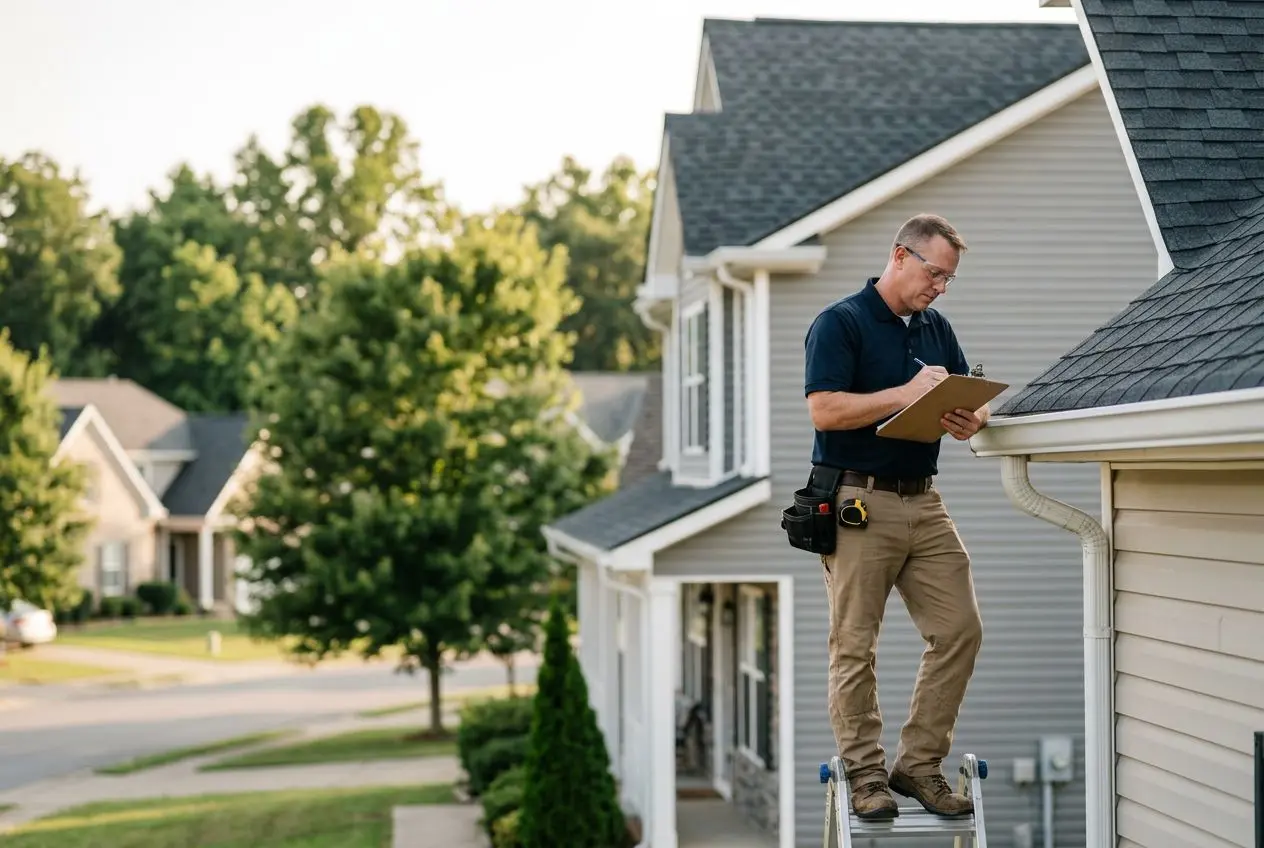
The roof is your home's first line of defense against the elements. Inspectors examine shingles, flashing, gutters, and drainage systems. They assess the roof's age and remaining lifespan, which is crucial information for budgeting future repairs. Exterior walls, siding, windows, and doors are also evaluated for damage, rot, and proper sealing.
Key inspection points:
- Roof age and condition of shingles
- Flashing around chimneys and vents
- Gutter functionality and drainage
- Exterior siding for rot or damage
- Window and door seals
Plumbing Systems
A thorough plumbing inspection checks water supply lines, drainage systems, and fixtures throughout the home. Inspectors test water pressure, check for leaks, and examine the condition of pipes. They also evaluate the water heater's age and functionality, as replacement can be expensive.
Hidden plumbing issues like corroded pipes or improper drainage can lead to water damage and mold growth. This is an area where problems often go unnoticed until they become serious and costly.
Electrical Systems
Electrical safety is paramount. Inspectors examine the main electrical panel, circuit breakers, wiring, outlets, and switches. They verify that the home's electrical system meets current safety codes and can handle modern power demands. Outdated wiring or overloaded circuits pose serious fire hazards.
HVAC and Climate Control
The heating, ventilation, and air conditioning systems are tested for proper operation and efficiency. Inspectors check the furnace, air conditioner, ductwork, and thermostat. They assess the age of these systems and estimate remaining lifespan, helping you plan for future replacements.
Interior Conditions
Inspectors examine walls, ceilings, floors, and doors for damage, water stains, or signs of pest infestation. They check for proper ventilation in bathrooms and kitchens, test smoke and carbon monoxide detectors, and evaluate the overall condition of interior spaces.
Red Flags and How to Negotiate After Inspection Results
Major Red Flags to Watch For
Foundation problems are among the most serious issues. Significant cracks, water damage, or evidence of settling can indicate structural problems requiring expensive repairs. Similarly, roof damage or age is a major concern—a roof nearing the end of its lifespan will need replacement soon.
Outdated electrical systems, particularly knob-and-tube wiring or aluminum wiring, pose safety risks. Plumbing issues like corroded pipes, improper venting, or inadequate water pressure should also raise concerns. Mold or water damage indicates moisture problems that could affect the home's structural integrity and your family's health.
Don't ignore pest infestations or evidence of termites, as these can cause significant structural damage over time. HVAC systems that are old or non-functional will require costly replacement.
Negotiation Strategies
Once you receive the inspection report, you have several options. Request repairs: Ask the seller to fix identified issues before closing. This is most effective for significant problems that are clearly the seller's responsibility.
Request credits: Instead of repairs, ask the seller to provide a credit toward closing costs, allowing you to handle repairs yourself. This gives you control over the quality of work.
Renegotiate the price: Use inspection findings to justify a lower purchase price that accounts for necessary repairs. This is particularly effective when multiple issues are discovered.
Walk away: If inspection results reveal major problems and the seller won't negotiate, you may have the right to terminate the contract. This is why the inspection contingency in your purchase agreement is so important.
"A professional home inspection is not an expense—it's an investment in your peace of mind and financial security."
Working with Your Inspector
Attend the inspection if possible. This gives you the opportunity to ask questions, understand issues firsthand, and learn about the home's systems. A good inspector will explain findings clearly and help you prioritize concerns based on severity and cost.
Conclusion: Taking Control of Your Purchase Decision
A comprehensive home inspection is your opportunity to make an informed decision about one of life's biggest purchases. By understanding what professional inspectors evaluate and knowing how to respond to their findings, you take control of your buying process.
Don't skip the inspection to save money or expedite closing. The few hundred dollars spent on a professional inspection can save you thousands in unexpected repairs and provide invaluable peace of mind. In Clarksville's real estate market, informed buyers are empowered buyers—and empowered buyers make better decisions.
Remember, the inspection report is a negotiation tool. Use it wisely to protect your investment and ensure you're getting fair value for your new home.
Discover essential strategies for Clarksville homeowners to understand, calculate, and effectively reduce their property tax burden. This comprehensive guide covers assessment processes, appeal strategies, and practical tips to take control of your taxes.
Mastering Property Taxes: A Clarksville Homeowner's Complete Guide
Learn how to understand, calculate, and reduce your property tax burden in Clarksville, TN.

Why Property Taxes Matter for Clarksville Homeowners
Property taxes represent one of the largest ongoing expenses for homeowners in Clarksville, Tennessee. Understanding how these taxes work is crucial for managing your household budget and protecting your financial interests. Many homeowners pay thousands of dollars annually in property taxes without fully comprehending how their assessments are determined or what options they have to reduce their burden.
For Clarksville residents, property taxes fund essential community services including schools, infrastructure, emergency services, and local government operations. While these services are vital to our community, it's equally important to ensure you're paying a fair and accurate amount based on your property's true value. This guide will equip you with the knowledge needed to navigate the property tax system effectively.
How Clarksville Property Taxes Are Calculated and Assessed
Understanding the Assessment Process
Property taxes in Clarksville are calculated using a straightforward formula: Assessed Value × Tax Rate = Property Tax Amount. However, the assessment process itself involves several important steps that every homeowner should understand.
The Montgomery County Assessor's office is responsible for determining the assessed value of your property. This assessment is typically based on:
- Market Value: The estimated price your property would sell for on the open market
- Property Characteristics: Square footage, age, condition, and structural improvements
- Comparable Sales: Recent sales of similar properties in your neighborhood
- Location Factors: Proximity to schools, commercial areas, and transportation
The Assessment Timeline
Assessments in Clarksville typically occur every few years, though your property may be reassessed more frequently if significant improvements are made. When you receive your assessment notice, it will include the assessed value and the tax rate applied to your property. This is your opportunity to review the information for accuracy.
Common errors in assessments include incorrect square footage, missing or overstated property features, or inaccurate land valuations. Taking time to review your assessment notice carefully can help you identify potential issues before they result in overpayment.
Tax Rate Components
Your property tax rate consists of several components, each funding different services:
- School district taxes
- County government operations
- Municipal services (if applicable)
- Special districts and assessments
Understanding these components helps you see exactly where your tax dollars are going and may provide insight into your overall tax burden.
Strategies for Appealing Your Property Tax Assessment
When to Consider an Appeal
If you believe your property assessment is inaccurate or unfair, you have the right to appeal. Consider filing an appeal if:
- Your assessed value is significantly higher than similar properties in your area
- The assessment contains factual errors about your property
- Your property's condition has deteriorated since the last assessment
- Recent comparable sales suggest a lower market value
- You've made significant improvements that weren't reflected in the assessment
The Appeal Process
Step 1: Gather Documentation - Collect evidence supporting your position, including recent appraisals, comparable property sales data, photographs of your property's condition, and documentation of any errors in the assessment.
Step 2: File Your Appeal - Submit your appeal to the Montgomery County Assessor's office within the specified timeframe (typically 30-45 days of receiving your assessment notice). Include all supporting documentation and a clear explanation of why you believe the assessment is incorrect.
Step 3: Attend the Hearing - If your initial appeal is denied, you may request a hearing before the Board of Equalization. Present your evidence professionally and clearly explain your position.
Step 4: Follow Up - If you disagree with the Board's decision, you may have additional appeal options through the court system, though this is typically a last resort.
Practical Tips for a Successful Appeal
Research comparable properties in your neighborhood that have sold recently. Real estate websites and county records are excellent resources for finding this information. Focus on properties similar in size, age, and condition to yours.
If your home has significant deferred maintenance or structural issues, document these thoroughly with photographs and professional assessments. Conversely, if you've made substantial improvements, ensure these are properly documented and communicated to the assessor.
Consider hiring a property tax professional or appraiser if your property's value is substantial or if the assessment seems significantly off. The cost of professional assistance may be justified by the tax savings achieved.
Other Tax Reduction Strategies
Beyond appeals, Clarksville homeowners may qualify for various exemptions and relief programs:
- Homestead Exemptions: May reduce assessed value for primary residences
- Senior Citizen Relief: Special programs for homeowners over 65
- Disability Exemptions: Available for disabled homeowners
- Agricultural Exemptions: For properties used for farming or agricultural purposes
Contact the Montgomery County Assessor's office to determine which programs you may qualify for.
Taking Control of Your Property Tax Burden
Managing your property taxes effectively requires knowledge, attention to detail, and proactive engagement with the assessment process. Don't assume your assessment is correct simply because it came from an official source. Thousands of property owners overpay their taxes annually due to assessment errors or failure to pursue available exemptions.
Review your assessment notice thoroughly when you receive it. Compare your property's assessed value to similar properties in your neighborhood. If discrepancies exist, take action. Whether through an appeal, exemption application, or professional consultation, you have options to reduce your tax burden.
Keep detailed records of your property's improvements, maintenance, and condition. This documentation will prove invaluable if you ever need to appeal your assessment. Additionally, stay informed about changes in tax laws and new relief programs that may become available.
By taking control of your property tax situation, you can ensure you're paying a fair amount while maximizing your financial resources. The effort invested in understanding and managing your property taxes can result in significant long-term savings for your household.
Explore the latest trends shaping Clarksville's residential real estate market, from rising home values to shifting buyer preferences. Learn what's driving demand and how different neighborhoods are experiencing growth opportunities.
Understanding Clarksville's Residential Real Estate Market Trends
Discover what's driving home values and buyer demand in Clarksville's competitive residential market.
Introduction: The Current State of Clarksville's Residential Market
Clarksville's residential real estate market is experiencing a dynamic period of growth and transformation. With an influx of new residents, evolving economic conditions, and changing lifestyle preferences, the market has become increasingly competitive and attractive to both first-time homebuyers and seasoned investors. Understanding the current landscape is essential for anyone looking to make informed decisions about buying, selling, or investing in Clarksville properties.
The market has shown remarkable resilience and adaptability, with home values appreciating steadily while buyer demand remains robust. This combination creates unique opportunities for those who understand the underlying trends and market drivers that are reshaping the residential landscape.
Key Market Trends Shaping Home Values and Buyer Behavior
Rising Home Values and Appreciation Patterns
One of the most significant trends in Clarksville's residential market is the consistent appreciation of home values. Properties across various price points have seen meaningful gains, driven by limited inventory, strong buyer demand, and the area's growing appeal as a desirable place to live. This appreciation has created wealth-building opportunities for current homeowners while also presenting challenges for new entrants to the market.
Key factors contributing to home value growth include:
- Limited housing inventory relative to demand
- Population growth and demographic shifts
- Improved local infrastructure and amenities
- Strong employment opportunities in the region
- Quality school systems and educational institutions
Shifting Buyer Preferences and Lifestyle Demands
Today's homebuyers in Clarksville are prioritizing different features than in previous years. Remote work capabilities, outdoor living spaces, and proximity to amenities have become increasingly important factors in purchasing decisions. Buyers are seeking homes that offer flexibility, comfort, and access to the lifestyle they desire.
The demand for homes with dedicated office spaces, updated kitchens, and modern technology integration has surged. Additionally, buyers are placing greater emphasis on energy efficiency, sustainable features, and homes that require minimal renovation work.
Inventory Challenges and Market Competition
The Clarksville market continues to face inventory constraints, with fewer homes available for sale than there are qualified buyers. This supply-demand imbalance has intensified competition among buyers and contributed to faster sales cycles and stronger negotiating positions for sellers. Properties that are well-maintained, competitively priced, and strategically marketed tend to sell quickly.
"In a competitive market like Clarksville's, understanding local trends and acting decisively can make the difference between finding your ideal home and missing out on the perfect opportunity."
Neighborhood-by-Neighborhood Growth Patterns and Opportunities
Established Neighborhoods Experiencing Revitalization
Several established neighborhoods in Clarksville are undergoing significant revitalization efforts. These areas are attracting buyers looking for character, community, and the charm of mature neighborhoods with established trees and strong social networks. Home renovations and strategic improvements in these areas are driving renewed interest and appreciation.
Emerging Growth Corridors
New development areas on the outskirts of Clarksville are attracting families and investors seeking newer construction and modern amenities. These growth corridors offer:
- Newer homes with contemporary designs and features
- Master-planned communities with shared amenities
- Proximity to shopping, dining, and entertainment options
- Excellent schools and family-friendly environments
- Room for future expansion and development
Mixed-Use and Urban-Adjacent Communities
There's growing demand for neighborhoods that blend residential living with walkable access to commercial and entertainment districts. These urban-adjacent communities appeal to younger professionals, empty nesters, and anyone seeking a more connected lifestyle. The convenience of having restaurants, shops, and cultural venues within walking distance or a short drive is increasingly valuable to Clarksville buyers.
Waterfront and Scenic Properties
Properties with water views, scenic vistas, or proximity to parks and natural areas command premium prices and attract buyers seeking lifestyle enhancements. These neighborhoods consistently show strong appreciation and maintain buyer interest across market cycles.
Conclusion: Positioning Yourself as a Market Expert
Success in Clarksville's residential real estate market requires staying informed about trends, understanding neighborhood dynamics, and recognizing the factors that drive buyer behavior. Whether you're a homebuyer, seller, or investor, knowledge is your most valuable asset.
To position yourself as a market expert, focus on:
- Monitoring local market data and sales trends regularly
- Understanding neighborhood-specific characteristics and growth potential
- Staying informed about economic factors affecting the region
- Building relationships with local professionals and community leaders
- Recognizing emerging opportunities before they become mainstream
Clarksville's residential market offers compelling opportunities for those who approach it strategically. By understanding the trends shaping home values, recognizing shifting buyer preferences, and identifying neighborhood growth patterns, you can make confident decisions that align with your goals. Whether you're looking to buy your dream home, sell your property at the right time, or build a real estate investment portfolio, the insights gained from understanding these market trends will serve you well in navigating Clarksville's dynamic and competitive residential landscape.
Join Influential Women and start making an impact. Register now.